Your digging level

For this genre
0/8
🏆
Sign in, then listen to this genre to level up

Description

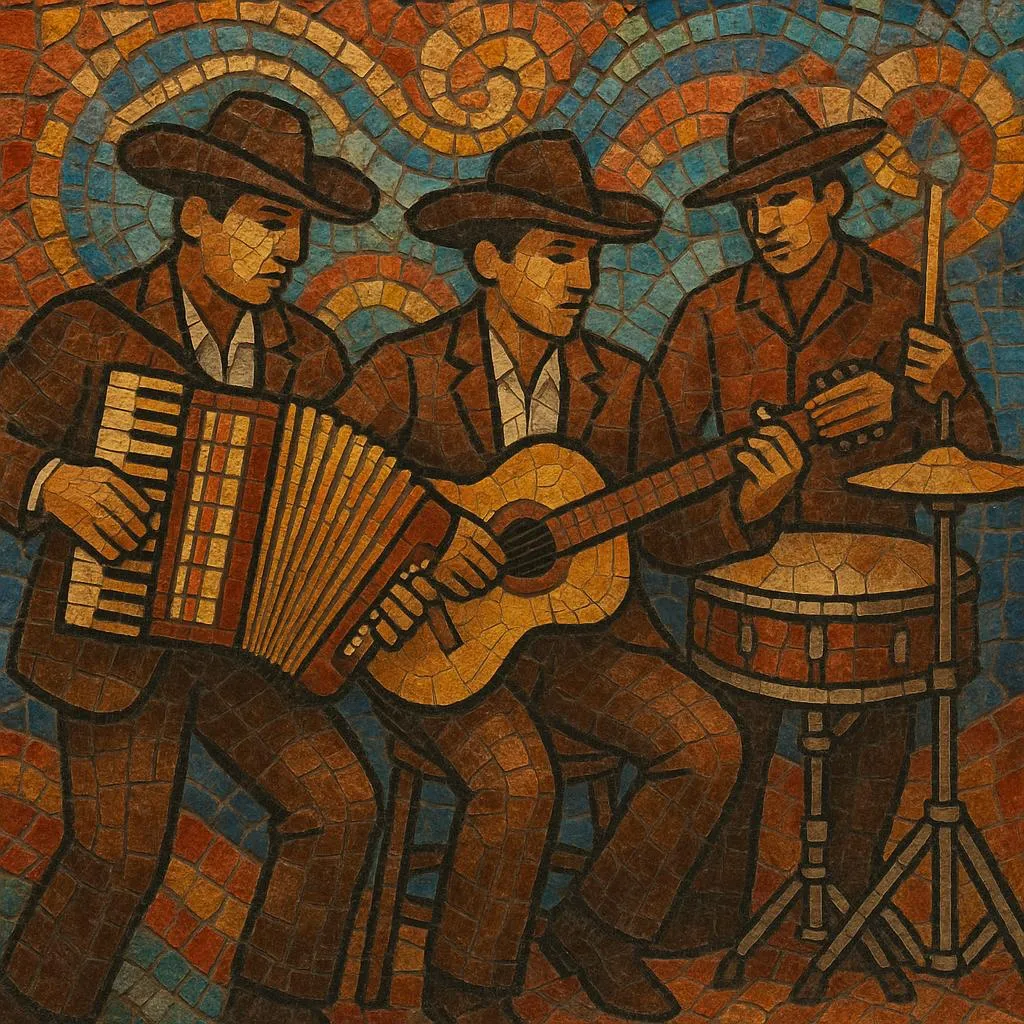
Música duranguense is a modern regional Mexican dance style that emerged among Mexican immigrants from the state of Durango living in the Chicago area. It reimagines the sound of banda and tamborazo with a lighter, highly danceable format that foregrounds synthesizers instead of large brass sections.

Fast two-step polka and huapango rhythms, bright lead keyboards emulating tuba and reeds, and a snare-driven percussion feel define the style. Songs often carry romantic or sentimental themes, while the music’s upbeat, "oom‑pah" pulse powers the popular club dance known as el pasito duranguense.


Sources: Spotify, Wikipedia, Discogs, RYM, MB, user feedback and other online sources

History

Origins in Chicago (late 1990s)

Mexican migrants—many with roots in the state of Durango—formed small ensembles in the Chicago metropolitan area during the late 1990s. With limited access to full brass bands, groups adapted the repertoire and rhythms of tamborazo and banda to compact lineups centered on synthesizers, drum kit (or sampled tambora), and vocals. This pragmatic, urban approach created a leaner, punchier sound that still carried the rural polka/huapango backbone familiar to northern and western Mexican dance music.

Mainstream Boom (early–mid 2000s)

By the early 2000s the style crystallized and surged in popularity. Acts based in the U.S. Midwest and the Mexican diaspora topped regional Mexican charts, touring on both sides of the border. A signature social phenomenon—the club dance el pasito duranguense—helped propel the genre in nightclubs and large dance halls, reinforcing its fast tempo and snare-forward feel.

Musical Traits and Repertoire

Duranguense retained the song forms and topics of banda, norteño, and ranchera—romance, heartbreak, regional pride, and migrant life—while streamlining arrangements. Synth leads emulate tuba, clarinet, and trumpets; the percussion drives a brisk two-step suited to polka and huapango grooves. Groups frequently recorded cumbia and ranchera standards in this lighter, synth-led aesthetic.

Evolution and Legacy (late 2000s onward)

After its mid-2000s peak, duranguense’s chart presence declined as banda and norteño-banda regained dominance and as regional Mexican styles diversified. Yet its influence persists in the acceptance of electronic timbres within regional Mexican production, the diaspora-centered transnational circuit it helped normalize, and the enduring popularity of pasito duranguense at social dances.

How to make a track in this genre

Core Groove and Tempo
•   Aim for brisk dance tempos (roughly 140–160 BPM) with a two-step polka feel; occasionally switch to huapango (compound feel) or cumbia patterns for variety. •   Emphasize a tight, snare-forward backbeat. Use a drum kit or a sampled tambora pattern with crisp rimshots and snare rolls leading fills.
Instrumentation and Timbre
•   Make the synthesizer the star: program patches that emulate tuba (for the oom‑pah bass), clarinet/trumpet (for leads), and accordion/organ (for pads or countermelodies). •   Add auxiliary percussion (cowbell, timbales accents) to energize the two-step. Guitars are optional and typically secondary to keys. •   Keep arrangements compact—verses, catchy pre-chorus hooks, and big sing-along choruses.
Harmony and Melody
•   Favor bright, diatonic progressions (I–V–IV, I–IV–V; occasional ii or vi for color). Keep modulations rare and hooks immediate. •   Write lead melodies that sit comfortably for a high tenor, with unison or simple third harmonies in the chorus. Use synth lines that answer the vocal phrases.
Lyrics and Topics
•   Focus on romance, nostalgia, heartbreak, regional pride, and migrant experiences. Keep verses concise and choruses memorable and repeatable. •   Consider call-and-response coros to encourage crowd participation and dancing.
Production and Performance
•   Mix the kick and synth “tuba” so the oom‑pah bass is punchy but not muddy; let the snare crack cut through for the dance pulse. •   Use short reverbs and tight delays on vocals and leads for clarity in large dance halls. •   On stage, maintain a relentless, energetic set flow to sustain the pasito duranguense on the dance floor.

Top tracks

Locked
Share your favorite track to unlock other users’ top tracks

Upcoming concerts

in this genre
Influenced by

Download our mobile app

Get the Melodigging app and start digging for new genres on the go
© 2026 Melodigging
Melodding was created as a tribute to Every Noise at Once, which inspired us to help curious minds keep digging into music's ever-evolving genres.
Buy me a coffee for Melodigging