Your digging level

For this genre
0/8
🏆
Sign in, then listen to this genre to level up

Description

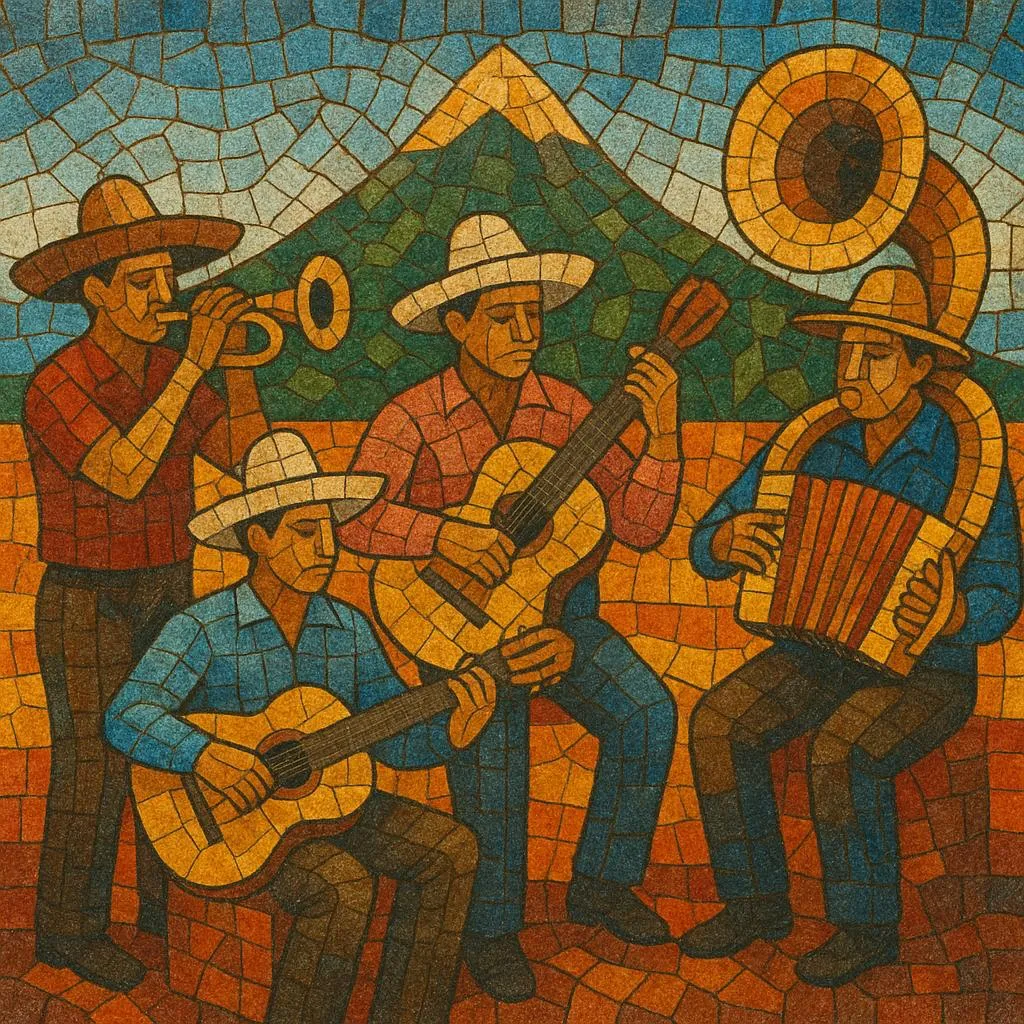
Musica colimense is the regional popular music made in and around the state of Colima, on Mexico’s Pacific coast. It is not a single rigid style but a local scene that blends brass banda de viento, mariachi-rooted sones and rancheras, norteño/sierreño string groups, corridos, and dance‑floor cumbias.

Because Colima sits between Jalisco and Michoacán and has a busy port (Manzanillo), its bands naturally absorb influences from the mariachi heartland to the east, Tierra Caliente string traditions to the south, and Sinaloan banda’s brassy power via touring groups and recordings. Typical repertoires move easily from polkas and waltzes for town fiestas to narrative corridos and romantic songs for night dances.


Sources: Spotify, Wikipedia, Discogs, RYM, MB, user feedback and other online sources

History

Origins (mid‑20th century)

Colima’s community bands and mariachis were active well before commercial recording took root, playing municipal plazas, charreadas, and religious festivals. In the post‑war decades, widespread radio and the circulation of Sinaloan banda and Jaliscan mariachi records encouraged local groups to formalize brass ensembles (banda de viento) and strengthen string traditions (tríos sierreños and conjuntos).

Local consolidation (1970s–1990s)

By the 1970s–80s, town and state bands, school ensembles, and independent conjuntos had steady calendars at fairs like the Feria de Todos los Santos Colima. Repertoires mixed rancheras and waltzes with cumbias and corridos about regional life (coastal work, agriculture, road tales). Tape trading and regional radio helped codify a recognizably colimense set list, even as musicians borrowed arranging ideas from Sinaloa’s large brass bandas and Jalisco’s mariachi sones.

Recording era and diversification (2000s–present)

Affordable studios and digital platforms gave many Colima groups their first widely distributed albums and live recordings. Brass bandas, sierreño and norteño trios, and crossover projects (adding keyboards/percussion for tropical cumbia flavors) now coexist. Contemporary corrido writing (including harder‑edged narratives) and social‑media singles brought younger audiences, while community and university ensembles helped preserve older sones, jarabes, and ceremonial pieces in concert settings. The result is a flexible local ecosystem: dance bands for fiestas patronales, story‑driven corridos, and romantic numbers—all stamped with Colima’s place‑names, idioms, and rhythms.

How to make a track in this genre

Core ensembles and instrumentation
•   Banda de viento: clarinets, trumpets, trombones, tuba/sousaphone, tarola (snare) and bombo (bass drum), often plus tambora and cymbals. Aim for tight unison fanfares, octave doublings, and punchy low‑brass lines. •   Sierreño/norteño formats: requinto or lead six‑string guitar, 12‑string guitar or bajo sexto, and tuba or electric bass. Add accordion if you want a norteño tint; maintain bright, percussive strumming. •   Mariachi roots: violins, trumpets, vihuela, and guitarrón for sones and rancheras; adapt melodies to banda voicings when arranging for brass.
Rhythms and grooves
•   Polka (2/4) and redova for lively plaza dances; accent beat 1 with bombo/tuba and use off‑beat tarola fills. •   Ranchera waltz (3/4) for sentimental pieces; let tubas walk 1–3–5 patterns. •   Cumbia (4/4) for coastal party flavor; lay a steady backbeat and add güiro/congas or synth pads if crossing into tropical fusions. •   Huapango/son jalisciense feels (compound duplets) for regional color; use hemiolas and violin‑style melodic turns even in brass.
Harmony and melody
•   Favor I–IV–V with secondary dominants; modulate up a whole step after the second chorus for lift (common banda device). •   Write strong, singable alientos (horn leads) with parallel thirds/sixths and call‑and‑response between high brass and low brass. •   Ornament melodies with mordents, appoggiaturas, and accented pickup notes borrowed from mariachi violin phrasing.
Lyrics and themes
•   Corridos: narrative, place‑specific stories (roads, ranch work, port life), with clear verse–verse–estribillo structure. •   Romantic/nostalgic songs: imagery of pueblos, fiestas patronales, and Pacific sunsets; simple refrains that invite audience sing‑along.
Arrangement and performance tips
•   Keep tuba/tambora locked; the low end drives both polka stride and cumbia sway. •   Alternate tutti brass hooks with pared‑down verses (clarinet/trumpet leads) to create dynamic arcs. •   In live settings, program sets that interleave fast polkas with cumbias and one or two ranchera waltzes to pace dancers.

Top tracks

Locked
Share your favorite track to unlock other users’ top tracks

Upcoming concerts

in this genre
Influenced by
Has influenced
No genres found

Download our mobile app

Get the Melodigging app and start digging for new genres on the go
© 2026 Melodigging
Melodding was created as a tribute to Every Noise at Once, which inspired us to help curious minds keep digging into music's ever-evolving genres.
Buy me a coffee for Melodigging