Your digging level for this genre

0/8
🏆
Sign in, then listen to this genre to level up

Description

Mittelalter-Metal (medieval metal) is a German-born fusion of heavy metal/rock with melodies, modes, instruments, and lyrical themes drawn from medieval and early Renaissance Europe. Bands typically combine distorted guitars and driving drums with bagpipes, hurdy-gurdy, shawm, cittern, and other period instruments, creating a distinctive timbral blend that feels both archaic and powerfully modern.

Lyrics often reference chivalric legends, tavern life, warfare, folklore, and historical pageantry, frequently employing German (sometimes with Middle High German turns of phrase) and occasional Latin. The result is a festival-ready sound that balances the epic sweep of metal with danceable medieval rhythms and modal tunes.

History

Origins (early–mid 1990s)

Mittelalter-Metal emerged in Germany out of a convergence of the medieval market scene (Mittelaltermärkte), neo‑medieval folk ensembles, and a rising appetite for metal hybrids. Groups like Corvus Corax helped popularize revived medieval instrumentation, while early folk/rock acts began electrifying traditional dances and modal tunes. Simultaneously, German heavy rock/metal and Neue Deutsche Härte provided the rhythmic weight and theatrical staging that would define the genre’s live presence.

Breakout and Definition (late 1990s–2000s)

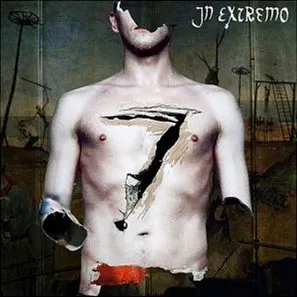
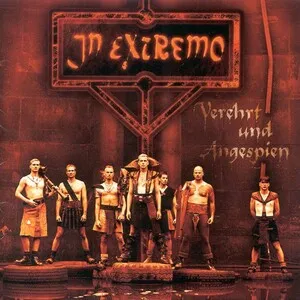
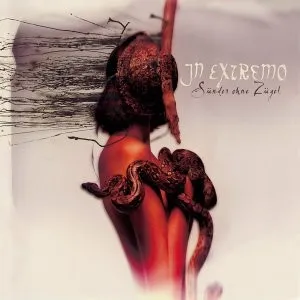
Bands such as Subway to Sally and In Extremo crystallized the template: bagpipes and hurdy‑gurdy placed prominently alongside distorted guitars, with riffs and melodies often derived from medieval sources. Tanzwut (a Corvus Corax offshoot) brought an NDH‑tinged industrial heft, and Saltatio Mortis bridged festival folk energy with heavier arrangements. By the 2000s, the sound had become a fixture of German festivals (Wacken, M’era Luna, Feuertanz), achieving chart success (e.g., In Extremo’s “Sängerkrieg” topping German charts) and establishing a strong fan culture.

Consolidation and Expansion (2010s–present)

A new wave of acts blended power‑metal sheen, gothic overtones, and pop‑savvy hooks with the core medieval palette. Groups like Feuerschwanz moved from humorous folk‑rock origins toward a heavier, anthemic sound, while others emphasized historically flavored storytelling or danceable market‑style rhythms. Internationally, the approach influenced how folk metal and NDH‑adjacent bands incorporate bagpipes and hurdy‑gurdy, even as Mittelalter‑Metal remains most concentrated in German‑speaking countries.
How to make a track in this genre

Instrumentation and Timbre
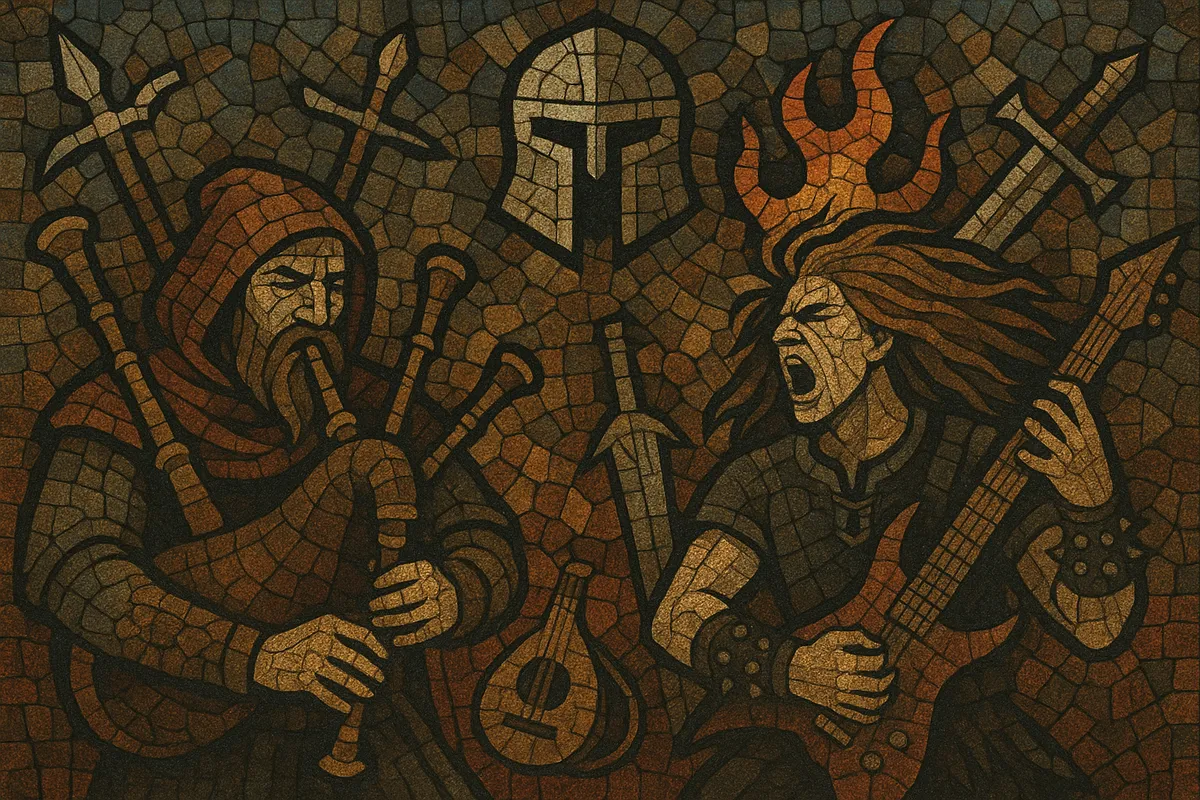
•   Pair a standard metal rhythm section (distorted guitars, electric bass, drum kit) with medieval instruments: bagpipes (Dudelsack), hurdy‑gurdy, shawm, recorder, flute, cittern, lute/mandola, and occasionally nyckelharpa. •   Give the medieval instruments lead‑melody space rather than ornamental roles; let bagpipes/hurdy‑gurdy supply sustained drones and hooks above guitar riffs.
Rhythm and Groove
•   Favor driving 4/4 with straight or galloping feels; tempo ranges commonly 110–160 BPM. •   Reference medieval/renaissance dance rhythms (estampie/bourrée‑like patterns) for intros, breaks, or instrumental sets to create a market/festival bounce.
Melody, Harmony, and Mode
•   Build tunes around modal scales—Dorian, Aeolian, and occasionally Phrygian—mirroring medieval flavor. •   Harmonically, anchor on power‑chord riffs and pedal‑point drones (from bagpipes/hurdy‑gurdy). Use parallel fifths and open chords to avoid overly modern cadences. •   Interweave a riff–refrain structure: guitar lays the rhythmic bed; pipes/hurdy‑gurdy carry a memorable, singable chorus motif.
Lyrics and Vocals
•   Write in German with archaic turns of phrase; sprinkle Latin refrains for liturgical or ceremonial color. •   Themes: chivalry, battles, myths, tavern revelry, wandering minstrels, seasonal festivals, and historical episodes. •   Vocals are generally clear and anthemic (baritone to tenor), with gang shouts or choral responses to enhance the communal feel.
Arrangement and Production
•   Balance the midrange energy of bagpipes/hurdy‑gurdy against guitars with careful EQ; avoid masking the melodic lead. •   Consider drop or standard tunings; keep guitars tight and percussive to complement the droning sustain of medieval instruments. •   Include instrumental sets (pipes/shawm dances) between verses/choruses to spotlight the period timbre.
Performance Tips
•   Embrace theatrical staging and costumes evoking medieval fairs. •   Encourage audience call‑and‑response and clapping patterns aligned with dance rhythms for a festive, participatory experience.

Top tracks

Locked
Share your favorite track to unlock other users’ top tracks
Influenced by
Challenges
Digger Battle
Let's see who can find the best track in this genre
© 2025 Melodigging
Melodding was created as a tribute to Every Noise at Once, which inspired us to help curious minds keep digging into music's ever-evolving genres.
Buy me a coffee for Melodigging