Your digging level

For this genre
0/8
🏆
Sign in, then listen to this genre to level up

Description

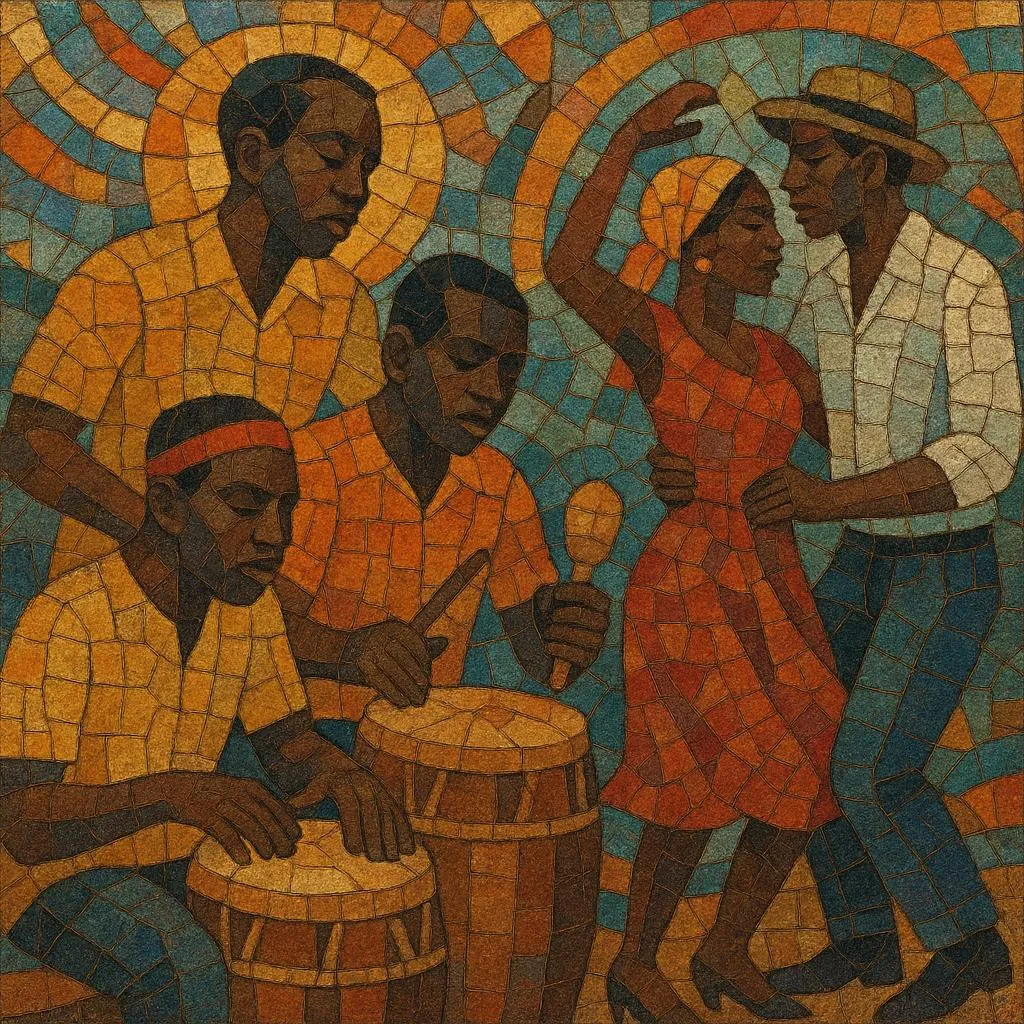
Kasékò is a Creole dance-music tradition from French Guiana whose name refers at once to the genre, the signature drums that drive it, and the social dance associated with it.

Energized by polyrhythmic hand-and-stick patterns on barrel drums, kasékò fuses African percussion aesthetics with European social-dance forms (contredanse, polka, and quadrille) and Caribbean popular idioms such as biguine and calypso. Ensembles typically combine tanbou kasékò (lead drum), supporting drums, tibwa (stick patterns played on drum shells or wood), chacha/maracas, whistles, and, in modern groups, brass, guitar, bass and keyboards. Vocals are often in Guianese Creole with lively call-and-response refrains designed for communal participation and carnival street processions.


Sources: Spotify, Wikipedia, Discogs, RYM, MB, user feedback and other online sources

History

Origins (late 19th–early 20th century)

Kasékò emerged in French Guiana as a Creole synthesis of African-descended drumming and dance practices with European ballroom and parade repertoires introduced during the colonial era. The genre’s core—named drums and a social partner-dance—took shape in community celebrations, feast days, and early carnival gatherings around Cayenne and along the Maroni river corridor.

Consolidation and carnival (mid-20th century)

Through the first half of the 1900s the music stabilized into recognizable rhythmic formulas: interlocking stick ostinati (tibwa), call-and-response song, and a lead drum that cues dancers with breaks. Brass-band textures, guitar/banjo strumming, and later bass and keyboards joined the percussion, reflecting the influence of biguine, calypso, and local marching/brass traditions. Kasékò became a staple of French Guianese carnival (including the famed touloulou balls), functioning both as street-processional and ballroom-dance music.

Cross-border currents and popularization (late 20th century to present)

French Guiana’s kasékò developed in dialogue with closely related Maroon and Creole styles across the border in Suriname (e.g., kawina and the Surinamese pop style often spelled “kaseko”), sharing rhythms, instruments, and a festive social function. Into the late 20th and 21st centuries, amplified ensembles, studio recordings, and diaspora performances broadened its reach, while community drum troupes and carnival orchestras continue to transmit the tradition at home. Today, kasékò remains a living emblem of Guianese Creole identity, heard at festivals, cultural showcases, and carnival seasons.

How to make a track in this genre

Ensemble and instrumentation
•   Core percussion: tanbou kasékò (lead drum), one or more supporting barrel drums, tibwa (sticks on drum shell/wood), chacha/maracas, and carnival whistles. •   Expanded band: add trumpet/trombone, guitar or banjo (strummed offbeats), electric bass (root–fifth or walking patterns), and keyboards doubling chord stabs.
Rhythm and groove
•   Work in a bright duple feel (often 2/4) with layered cross-rhythms; some groups incorporate 6/8–2/4 hemiolas for lift. •   Establish a steady tibwa pattern (two or three-stroke ostinati) as the timekeeping spine; lock the supporting drum(s) to this grid. •   Let the lead kasékò drum converse with dancers and singers—use short calls, breaks ("cassé"-style accents), and cue-driven fills to shape phrases and transitions.
Harmony and melody
•   Keep harmony simple and functional: I–IV–V cycles or two-chord vamps suit the style, with occasional dominant-seventh color borrowed from biguine/calypso practice. •   Brass and keys punctuate on backbeats and short riffs; guitars double offbeat chops or arpeggiate light syncopations.
Voice and text
•   Favor call-and-response structure with a lead caller and responsive chorus. •   Sing in Guianese Creole (or neighboring Creole varieties), using concise, repeatable refrains that encourage dancing and participation; themes often celebrate carnival, neighborhood life, humor, and social commentary.
Form and performance practice
•   Build sets as strings of medium-length songs that can extend for dancers; transition with drum breaks and whistle cues. •   Maintain a festive dynamic arc: start mid-tempo to fill the floor, then gradually raise intensity through tighter breaks, brighter tempos, and denser percussion layers.
Production tips (modern bands)
•   Mic the drums close but preserve room air to retain street-band vitality. •   Pan percussion to create interlocking clarity (tibwa center-left, supporting drum opposite, lead drum centered). Keep bass and kick tight but not overpowering, so hand-drums remain the rhythmic focus.

Top tracks

Locked
Share your favorite track to unlock other users’ top tracks

Upcoming concerts

in this genre
Influenced by
Has influenced

Download our mobile app

Get the Melodigging app and start digging for new genres on the go
© 2026 Melodigging
Melodding was created as a tribute to Every Noise at Once, which inspired us to help curious minds keep digging into music's ever-evolving genres.
Buy me a coffee for Melodigging