Your digging level
Description
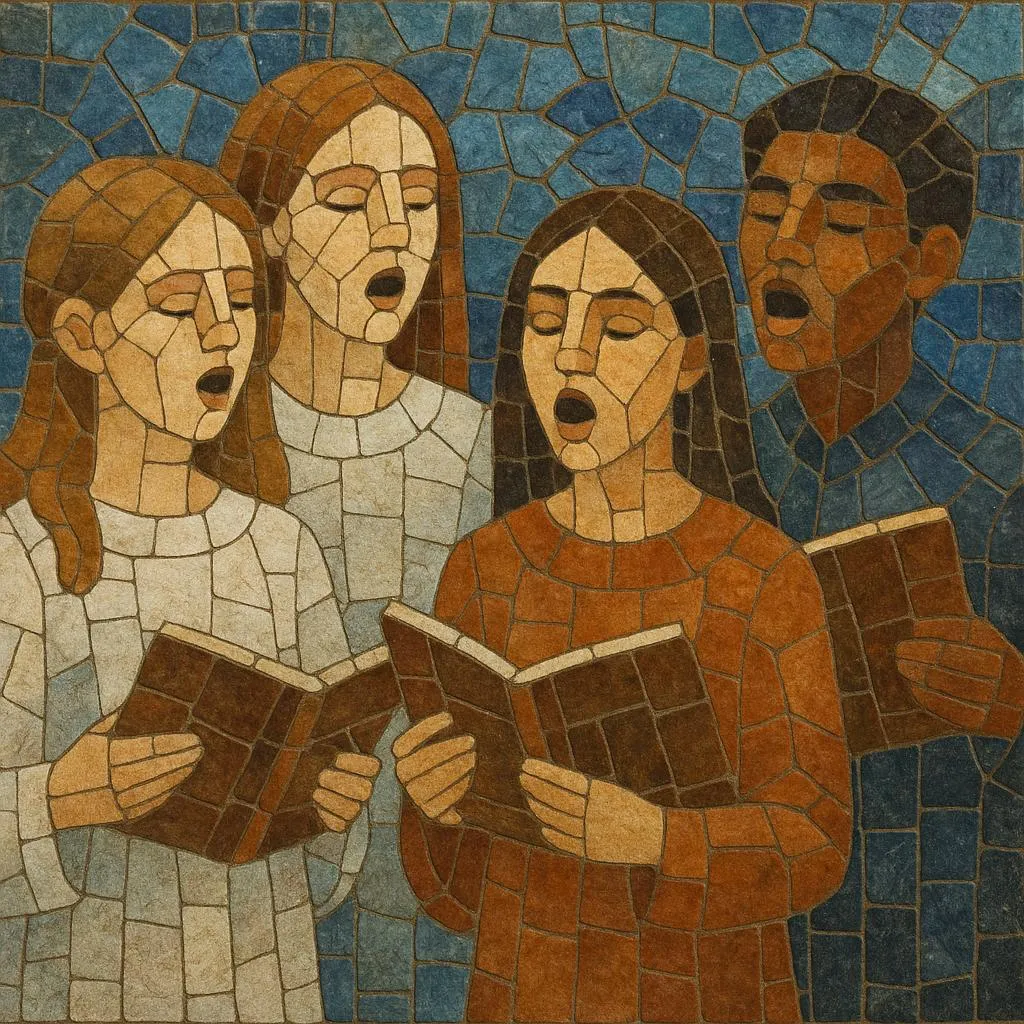
Jugendchor (German for “youth choir”) denotes auditioned or community choirs of teenagers and young adults in the German‑speaking world. Typical ensembles draw on secondary‑school, church, municipal, or broadcaster infrastructures and cultivate a blended choral sound, clear diction in German, and stylistic flexibility.
Repertoire spans German Volkslieder and arrangements of art songs, Lutheran/ Catholic sacred pieces (motets, chorales), Renaissance to contemporary a cappella works, and increasingly popular/jazz arrangements with piano or rhythm section. Voice leading and part‑balance are adapted to adolescent ranges (SAB/SSA/TTBB variations), with careful handling of changing male voices.
The aesthetic prioritizes healthy vocal pedagogy, precise intonation, and text delivery, often showcased in festivals and competitions across Germany, Austria, and Switzerland.
History
The Jugendchor idea coalesced during the German Jugendmusikbewegung and broader youth movements (e.g., Wandervogel) in the 1910s–1920s, which prized communal singing of folk and sacred repertory. These currents reframed choral practice from cathedral/ conservatory contexts to youth education and outdoor, community spaces.
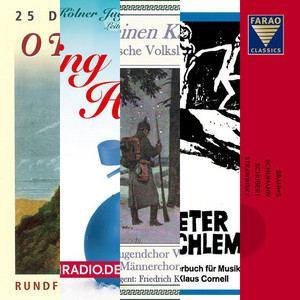
After 1945, West German and Austrian schools, churches, and Musikschulen expanded youth choirs as part of general music education. In the GDR, state and broadcaster‑affiliated ensembles (Rundfunk‑Jugendchöre) professionalized training and touring. Repertoire widened from Volkslieder and chorales to include canonical motets, Renaissance polyphony, and new compositions for developing voices.
Federal and state‑level auditioned ensembles (Landesjugendchöre) emerged, offering advanced coaching, commissions, and international exchanges. Competitions (e.g., Deutscher Chorwettbewerb) and festivals accelerated standards, while publishers flooded the market with SAB/SSA arrangements tailored to adolescent ranges. Jazz/pop idioms, body percussion, and piano/guitar accompaniment became common alongside a cappella traditions.
Jugendchöre remain a pillar of German‑language choral life, bridging children’s choirs and adult chamber/ symphonic choruses. Many collaborate cross‑border, commission new works in German and English, and maintain dual identities: historically grounded (chorales, folk) and contemporary (pop/jazz, film music), always anchored in ensemble blend, diction, and vocal health.