Your digging level

For this genre
0/8
🏆
Sign in, then listen to this genre to level up

Description

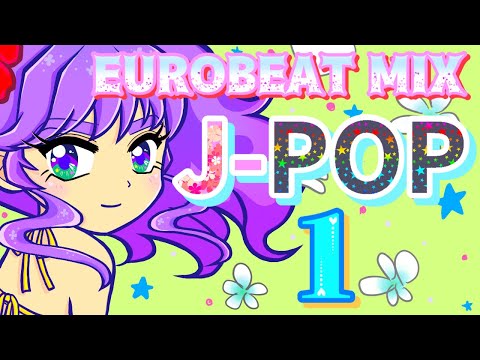
J‑Euro is the Japanese, Italian‑oriented branch of Eurobeat that crystallized in the early‑to‑mid 1990s.

It centers on Japanese‑language covers and remakes of Italian Eurobeat/Hi‑NRG tracks, as well as J‑pop songs reworked in the high‑tempo Eurobeat idiom.

Driven by labels like Avex Trax and compilation series such as Super Eurobeat, J‑Euro connected Japan’s thriving dance‑pop market with Italy’s Eurobeat production houses.

The style is fast (typically 150–160 BPM), four‑on‑the‑floor, with off‑beat basslines, bright supersaw leads, key‑change climaxes, and big sing‑along hooks that suit Para Para dance culture and late‑1990s club/pop aesthetics.


Sources: Spotify, Wikipedia, Discogs, RYM, MB, user feedback and other online sources

History

Origins (early–mid 1990s)

J‑Euro emerged as Japanese labels and artists embraced Italy’s Eurobeat/Hi‑NRG ecosystem, commissioning Japanese‑language covers and Eurobeat remixes. Early connections were forged via Avex Trax’s partnerships with Italian production teams (e.g., A‑Beat C, Time, Delta), laying the groundwork for a domestic Eurobeat scene tailored to J‑pop audiences.

Late‑1990s peak and compilation era

From the late 1990s into the early 2000s, J‑Euro’s profile surged through Super Eurobeat “presents” albums and non‑stop mixes that reimagined popular J‑pop acts in Eurobeat form. This period saw high‑tempo remixes with catchy Japanese lyrics, bright synth brass stabs, and dramatic modulation upshifts, aligning perfectly with club culture and Para Para choreography.

Cultural context: Para Para, clubs, and media

J‑Euro thrived alongside Para Para dance circles and appeared in clubs, on TV, and across compilation CDs. Rhythm games and late‑night music programming helped spread the sound’s kinetic appeal. Its fusion of Italian Eurobeat sonics with J‑pop vocal delivery made it instantly recognizable and highly danceable.

2000s–present: Legacy and revival cycles

While mainstream dance‑pop cycles shifted in the mid‑2000s, J‑Euro’s DNA persisted in remixes, nostalgia events, and new takes that blend Eurobeat hallmarks with modern EDM production. The genre remains a touchstone for fans of Super Eurobeat, Para Para, and high‑energy J‑pop remixes, influencing later Japanese dance‑pop and electronic crossovers.

How to make a track in this genre

Tempo & rhythm
•   Aim for 150–160 BPM with a solid four‑on‑the‑floor kick. •   Use an off‑beat (syncopated) bass pattern and bright clap/snare on beats 2 and 4. •   Add energetic 16th‑note hi‑hats, occasional open‑hat lifts, and hand‑clap fills to drive Para Para‑friendly motion.
Harmony & melody
•   Favor diatonic progressions in minor (Aeolian) with strong pre‑chorus lift. •   Write soaring, pentatonic‑friendly vocal hooks that sit clearly above dense synth layers. •   Employ a late key change (often +1 or +2 semitones) for the final chorus.
Sound design
•   Build with supersaw leads, bright brass stabs, and layered pads; add arpeggiated plucks for motion. •   Use a punchy, sidechained bass (saw or square) doubling the off‑beat rhythm. •   Include short risers, reverse cymbals, and tom fills for transitions.
Vocals & lyrics
•   Japanese lyrics with clear, hook‑driven refrains; frequent call‑and‑response lines that invite crowd or Para Para participation. •   Double‑track leads in choruses; add harmonies and octave layers for fullness.
Arrangement
•   Intro (DJ‑friendly) → Verse → Pre‑chorus → Chorus → Verse → Pre‑chorus → Chorus → Breakdown/Bridge → Modulated final chorus → Outro. •   Keep energy high with short verses and impactful, repeated choruses.
Production tips
•   Tight quantization; emphasize transient clarity for kick, clap, and bass. •   Bus compression on drums/synths; tasteful saturation to mimic late‑1990s Eurobeat sheen. •   Leave space for vocals by carving midrange with EQ and sidechaining pads/leads to the lead vocal.

Best playlists

Main artists

Top tracks

Locked
Share your favorite track to unlock other users’ top tracks

Upcoming concerts

in this genre
Has influenced

Download our mobile app

Get the Melodigging app and start digging for new genres on the go
© 2026 Melodigging
Melodding was created as a tribute to Every Noise at Once, which inspired us to help curious minds keep digging into music's ever-evolving genres.
Buy me a coffee for Melodigging