Your digging level
Description
The Houston sound is a Southern U.S. hip hop aesthetic rooted in late‑1980s Rap‑A‑Lot productions and the city’s chopped‑and‑screwed culture. It emphasizes slow to medium tempos, a thick and weighty low end, and a relaxed, unhurried delivery.
Signature timbres include prominent organs (often Hammond‑style), warm electric pianos and keyboards, wah‑wah guitar flourishes, fat sub‑bass or 808s, and brass and horn stabs that nod to soul and funk bands. Unlike many sample-only approaches, Houston records have long mixed live instruments—bass guitar, guitar, keys, and horns—with drum machines and samplers, yielding a gritty yet musical, blues‑southern feel.
Vocally, MCs favor a deep drawl, storytelling about street realities, come‑ups, and city pride; DJ culture (especially chopped‑and‑screwed techniques) further imprints the sound with syrupy, slowed textures and pitch‑bent hooks.

History
Houston’s rap identity coalesced around Rap‑A‑Lot Records in the late 1980s. The Geto Boys and Scarface put the city on the map with productions that blended boom‑bap drum programming with live bass, organ, and guitar. Producers and players around the camp (notably Mike Dean and collaborators) helped define the city’s heavy‑low, organ‑rich palette.
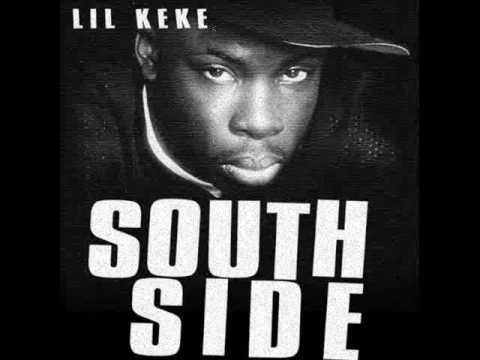
Through the 1990s, Houston’s sound matured: medium‑slow tempos, thick sub‑bass, and soulful instrumentation (organs, horns, wah‑wah guitar) became trademarks. In parallel, DJ Screw developed the chopped‑and‑screwed technique—slowing and manipulating records—which didn’t replace the core production style but permanently colored Houston’s sonic identity and listening culture. Crews like Screwed Up Click (Lil’ Keke, Fat Pat, Big Moe) and street poets such as Z‑Ro cemented the city’s distinct cadence.
In the 2000s, Swishahouse (Paul Wall, Chamillionaire, Mike Jones, Slim Thug) brought the Houston feel to national radio: roomy mixes, booming 808s, organ pads, horn accents, and syrupy hooks. Even when tempos rose for club crossover records, the tonal DNA—warm keys, rounded bass, and Southern drawl—remained.
While trap and other Southern styles dominated charts, Houston’s aesthetic continued to inform internet‑era sounds: slowed‑and‑reverb edits, cloud rap atmospheres, and even vaporwave’s time‑warped feel trace a line back to Screw’s methods and the city’s preference for lush, heavy, unhurried grooves. Contemporary Houston artists still foreground organ colors, live bass lines, and horns, keeping the city’s musicality central to its rap output.
Slow–medium BPM, heavy sub‑bass, prominent organs and horns, and frequent use of live instruments alongside drum machines and samplers; storytelling flows in a laid‑back drawl; a parallel chopped‑and‑screwed culture that reinforces the genre’s relaxed, weighty feel.


Best playlists