Your digging level
Description
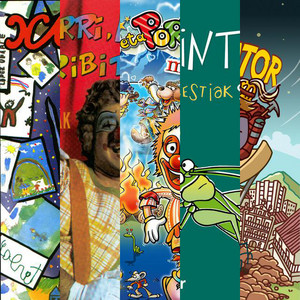
Haur kantak refers to Basque-language children's songs created for play, education, and community singing.
The repertoire blends traditional Basque folk melodies and rhythms with contemporary children's pop arrangements. Lyrics are in Euskara (Basque), emphasizing playful storytelling, nature, values, and language pride. Performances often incorporate movement, gestures, and call‑and‑response to engage children in schools, family gatherings, and festivals.
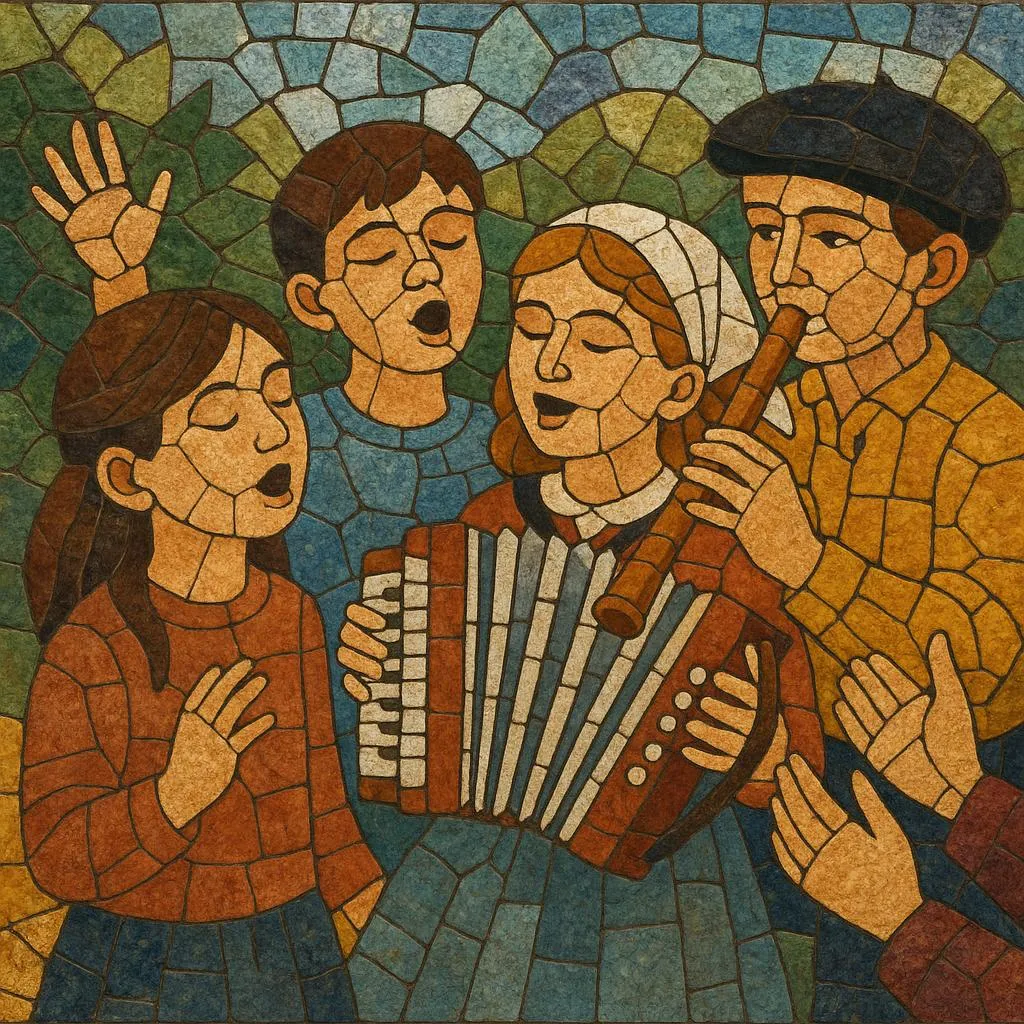
Stylistically, haur kantak ranges from acoustic folk instrumentation (trikitixa/diatonic accordion, txistu, panderoa, guitar) to modern productions with keyboards, percussion, and chorus vocals, while maintaining simple, catchy melodies designed for group participation.
History
Haur kantak grew from centuries of Basque folk singing and lullabies transmitted orally within families and villages. While children's songs existed long before, the modern, widely published form took shape during the Basque cultural revival of the 1970s. As Euskara re‑entered schools (ikastolak) and public life, educators and musicians began composing new child‑focused songs to support language learning and cultural continuity.
With the rise of local publishing, educational collectives, festivals, and regional broadcasters, Basque children’s music gained dedicated albums, songbooks, and televised performances. Touring family shows, clown troupes, and school choirs helped standardize repertoires across towns, creating common sing‑along staples for classrooms and community events.
From the 2000s onward, haur kantak embraced modern production while retaining participatory roots. Artists fuse folk dance rhythms with pop hooks, release animated videos, and integrate value‑based themes (cooperation, environment, inclusion). The genre now spans classroom resources, theatre productions, and large family concerts, serving as a gateway to Basque language and culture for new generations.

Best playlists