Your digging level
Description
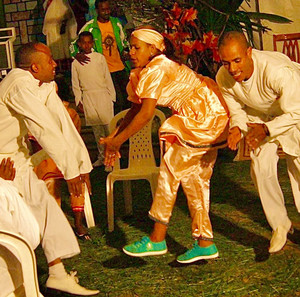
Gurage music is the traditional and popular music of the Gurage peoples of central-southwestern Ethiopia. In urban contexts it is widely recognized by the name "Guragigna," a propulsive dance groove that features driving 6/8 (often heard as 12/8) rhythms, handclaps, and call-and-response vocals.
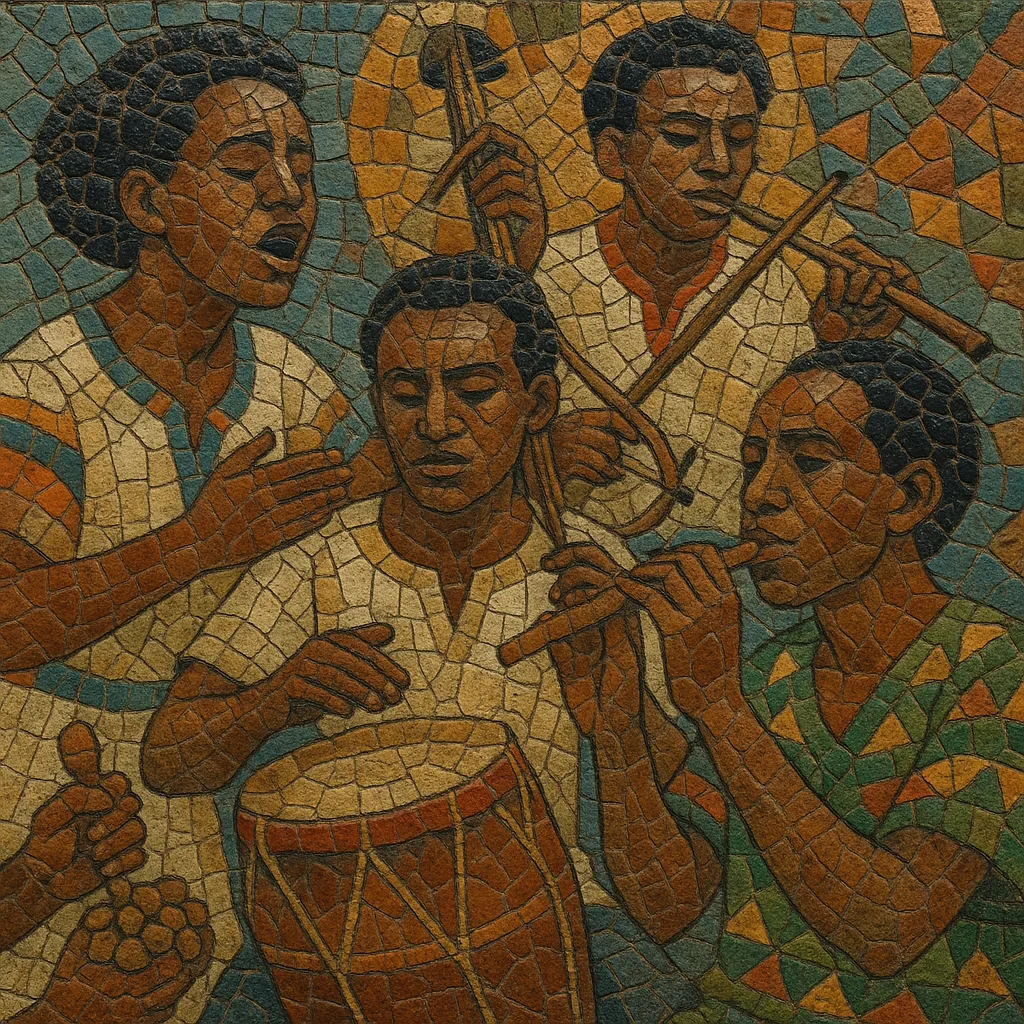
Melodies are rooted in Ethiopia’s qenet modal system and are typically pentatonic, ornamented with slides, trills, and expressive bends. Core timbres include kebero (double-headed drum), krar (lyre), masenqo (one-string fiddle), and handclaps, with modern arrangements adding keyboards, bass guitar, and drum machines to adapt the style for clubs and large wedding halls.
Lyrically, songs often praise lineage, celebrate weddings and communal events, convey humor and wordplay, and switch between Gurage languages (such as Sebat Bet/Chaha) and Amharic in cosmopolitan settings.
History
Gurage music developed as part of the social life of the Gurage peoples in Ethiopia, accompanying weddings, communal celebrations, work gatherings, and praise traditions. The music’s core identity—dense handclaps, interlocking drum patterns, and responsorial singing—served dance and group participation, reinforcing social bonds and local identity.
As Gurage communities migrated to Addis Ababa, their dance music entered the city’s expanding nightclub and recording scenes. During Ethiopia’s “golden era,” labels and bands documented regional styles alongside cosmopolitan soul and funk. In this period, “Guragigna” emerged as a distinct, high-energy Addis dance groove alongside other regional styles, and its 6/8 propulsion became a staple of live sets and 7-inch singles.
Through political shifts, the style persisted in state ensembles, theatre troupes, and club bands. Wedding circuits and diaspora gatherings kept the repertoire vibrant. Keyboard-based arrangements, electric bass ostinati, and drum machines began to complement (and sometimes replace) traditional ensembles to suit larger, amplified venues.
In the 2000s, Gurage grooves were folded into contemporary Ethiopian pop, ethio-jazz inflections, and even electronic club formats. Diaspora musicians and local producers use modern studio tools to maintain the recognizable handclap patterns and modal flavor while updating form, bass weight, and song structure. Social media and video platforms have broadened the audience for both traditional and modern “Guragigna” performances.