Your digging level
Description
Gospel antigas (Portuguese for “old” or “classic” gospel) refers to the early Brazilian evangelical gospel sound as it was recorded and circulated from the mid‑20th century through the 1980s.
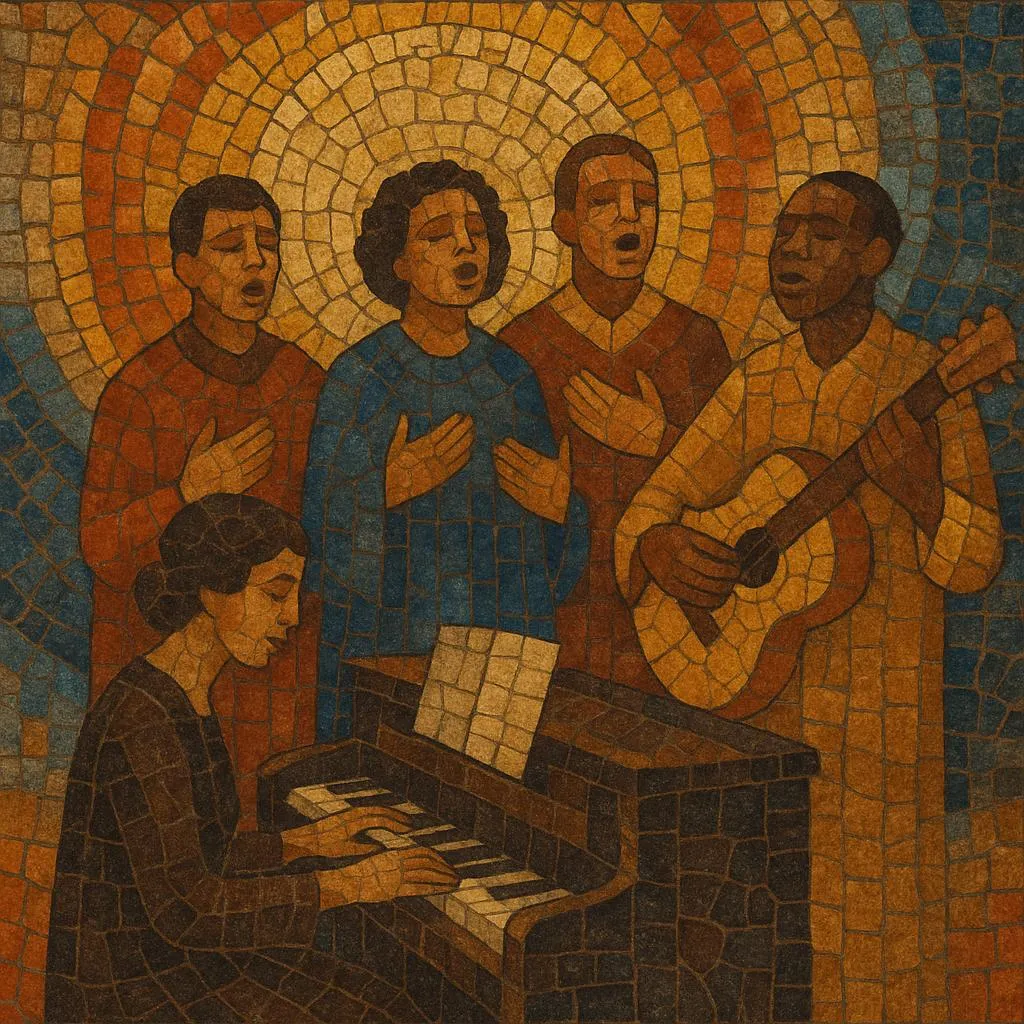
Characterized by Portuguese‑language devotional lyrics, strong congregational melodies, and clear, sermon‑like messages, the style blends the harmony and form of Protestant hymnody with Brazilian popular idioms. Arrangements often feature piano or organ, violão (acoustic guitar), bass, light drums or percussion, and choral SATB parts; some recordings include strings or brass for a dignified, church‑like sheen.
Rhythmically it ranges from slow ballads and march‑like hymn tempos to gentle samba‑canção or bossa‑tinged grooves. Harmonies stay diatonic and hymnlike, with occasional modulations and gospel cadences. The overall effect is reverent, melodic, and uplifting—music meant for both home listening and church services.
History
Brazilian Protestant communities adopted translated hymnals (e.g., Salmos e Hinos and Cantor Cristão) and cultivated congregational singing, choirs, and organ‑led worship. This laid the melodic, textual, and devotional foundation that would later be captured on records.
With the spread of radio and LPs, pioneering Brazilian evangelical singers and quartets began recording sacred repertoire in Portuguese. Early releases featured studio orchestras or small combos, presenting hymns and newly composed gospel songs in accessible, crooner‑era and church‑choir aesthetics.
The sound most associated with “gospel antigas” matured as labels and church ministries produced albums aimed at a growing evangelical public. Arrangements balanced hymnlike dignity with Brazilian popular music touches (samba‑canção warmth, bossa‑influenced guitar voicings). Lay movements and ministry collectives expanded the repertoire with Scripture‑based lyrics, testimonial narratives, and simple, singable choruses suitable for congregations.
From the 1990s, contemporary worship, pop‑rock, and electronic production reshaped Brazilian gospel. Yet the classic catalog—“gospel antigas”—remained a touchstone: its songs endured in hymnals, church services, reunions, and nostalgia playlists, influencing how newer generations write in Portuguese for congregational settings.
Gospel antigas codified a Portuguese‑language gospel idiom that is both distinctly Brazilian and recognizably evangelical. It provided models for melody, harmony, lyrical clarity, and pastoral function that continue to inform modern louvor (worship), Brazilian CCM, and stylistic fusions (MPB‑gospel, samba‑gospel).