Your digging level
Description
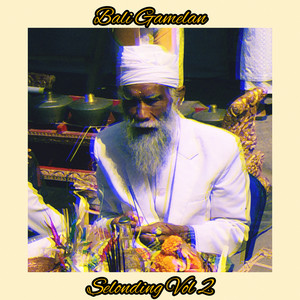
Gamelan selunding (also spelled selonding) is an ancient, sacred Balinese gamelan tradition associated with the Bali Aga (indigenous) community of Tenganan in east Bali, Indonesia.
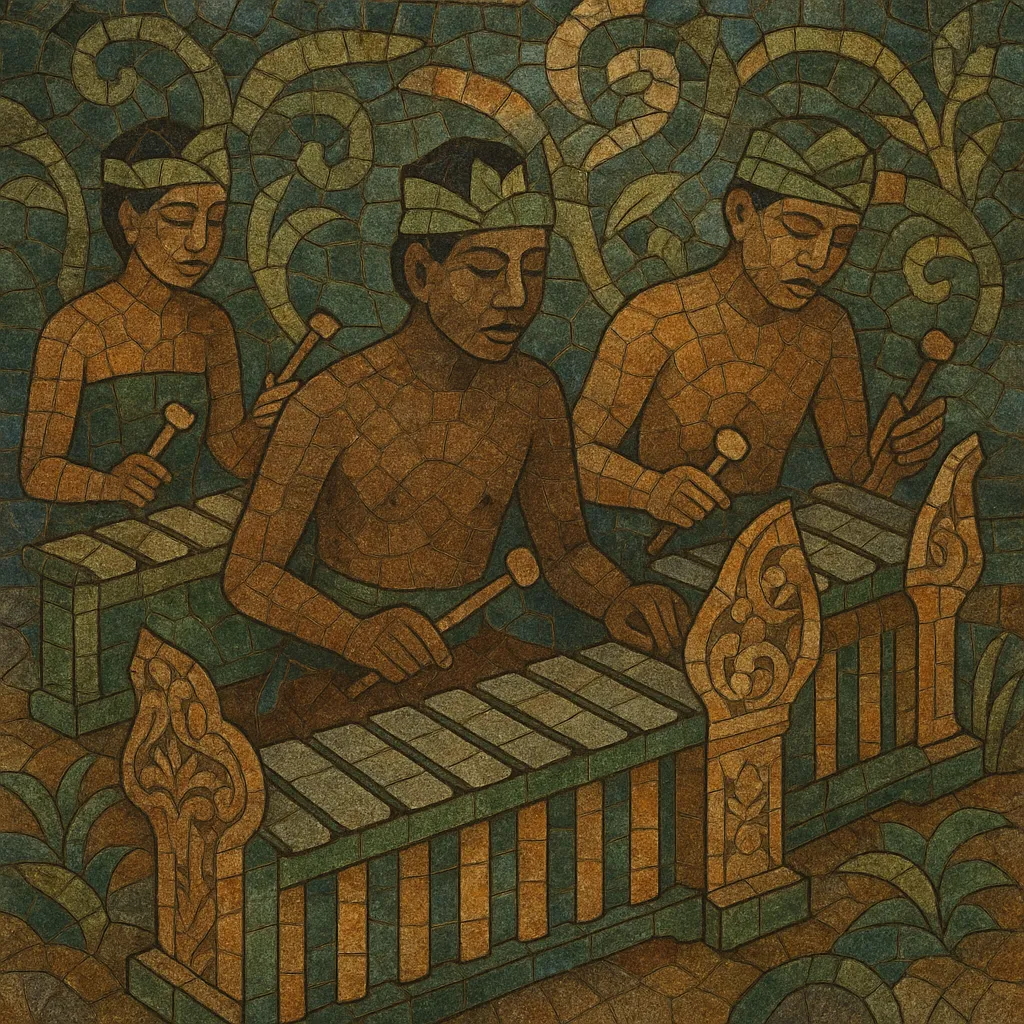
The ensemble is rare and traditionally performed by a compact group of four to six musicians. Its core instruments are iron-keyed metallophones (selonding) tuned in a local seven-tone (saih pitu) scale. The term selunding/selonding refers both to the ensemble and to the iron-keyed instrument itself. Compared to the brighter, bronze sonorities of other Balinese gamelans, selunding’s iron timbre is darker and more austere, underscoring its temple-centered, ritual function.
History
Gamelan selunding is rooted in the Bali Aga village of Tenganan (Karangasem, east Bali), whose ritual life preserves pre-Majapahit Balinese customs. Oral tradition places selunding among the island’s most ancient gamelans, with use in temple rites and village ceremonies spanning centuries. The ensemble’s iron construction (rather than the more common bronze) and its seven-tone tuning point to an older Balinese instrument-making and tuning practice.
Selunding is performed for sacred occasions tied to the village calendar—especially temple festivals—where repertoire (gending) accompanies offerings, processions, and community rites. Music is conceived cyclically, with phrase-punctuating low tones functioning like colotomic markers. Melodies unfold in heterophonic layers, with interlocking (kotekan-like) figures used sparingly and at stately tempos compared to later, virtuoso Balinese styles.
Twentieth- and twenty-first–century Balinese and international researchers documented selunding as one of Bali’s least-common ensembles, prompting preservation efforts in and beyond Tenganan. Arts institutes in Bali (e.g., ISI Denpasar) have curated instruments, taught repertoire, and staged demonstrations, while temple-based sekaa (ensembles) maintain the living tradition in ritual contexts.
While selunding remains primarily ceremonial and local, its antique sonority and modality informed broader notions of “ancient Balinese” style. Selected themes and textures have been arranged for larger, modern Balinese ensembles, and curated performances introduced selunding to festival and academic audiences, balancing continuity of sacred function with measured public presentation.