Your digging level
Description
Gaana (or Gana) is a distinctive genre of Tamil folk music that originated in the working-class neighborhoods of North Chennai, India.
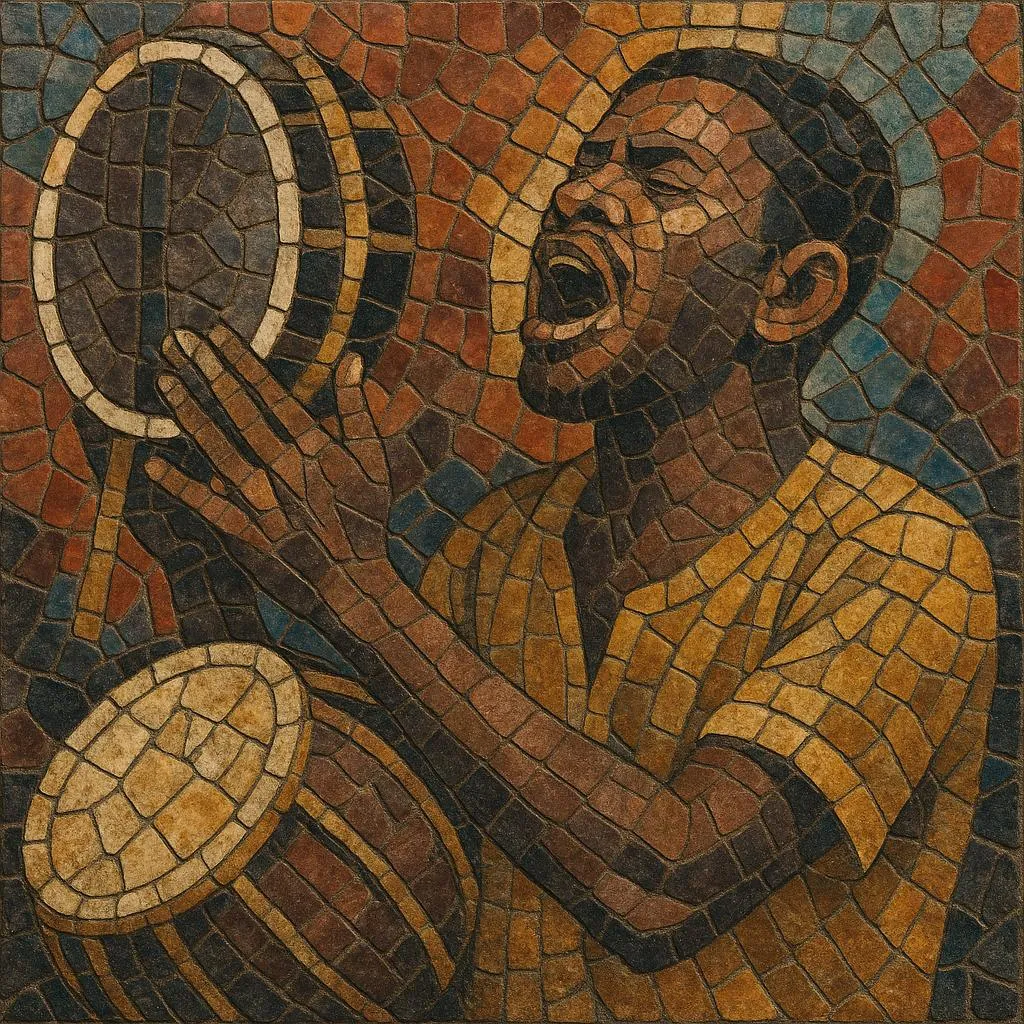
It is characterized by its energetic, percussion-heavy rhythms, primarily using the 'parai' drum, and colloquial lyrics sung in the Madras Bashai dialect.
Originally associated with funeral processions to celebrate the life of the deceased, it has evolved into a voice for the oppressed, addressing themes of social struggle, politics, and daily life in the slums.
The vocal style is often raw and rap-like, prioritizing rhythm and lyrical wit over melodic complexity.
History
The roots of Gaana trace back over two centuries to the slums and burial grounds of North Chennai.
Its lineage is often linked to the Siddhar poets of ancient Tamilakam and Tamil Sufi mystics like Kunangudi Masthan Sahib (19th century), whose songs emphasized mortality and the human condition. These philosophical underpinnings were adapted by the working class into a musical form used to stay awake and energetic during funeral wakes.
For decades, Gaana remained a marginalized art form, performed primarily by Dalits and the urban poor. However, in the 1990s, the genre exploded into the mainstream when film composer Deva (known as the 'Father of Gaana') began incorporating its rhythms and style into Tamil cinema (Kollywood). This commercialization brought Gaana to a massive audience, though sometimes diluting its original raw ethos.
In recent years, there has been a resurgence of authentic Gaana, led by bands like The Casteless Collective. These modern artists are reclaiming the genre's political roots, using it as a powerful tool for anti-caste activism and social commentary, blending it with global sounds like hip-hop and rock.
Composing Gaana requires a focus on rhythm, dialect, and raw energy rather than polished melody.

Best playlists