

Description
French opera encompasses opera made in France and opera sung in French. It is a national tradition rather than a single musical style: its history includes court tragedy, dance-rich opéra-ballet, opéra comique, grand opera and operetta, as well as later experiments in musical drama.
In early tragédie en musique, recitative shaped around French speech joined prominent choruses, dance and stage spectacle. Opéra comique developed a different balance, alternating musical numbers with spoken dialogue, while grand opera favoured large casts, orchestras and elaborate staging. The scene drew on both French theatrical traditions and ideas from abroad, and composers born outside France made important contributions to it.
Sources: Wikipedia
History
Court opera and its successors
Italian operas were staged in France before French-language experiments took hold. Pierre Perrin founded the Académie d'Opéra in 1669, and his collaboration with Robert Cambert produced Pomone in 1671. At Louis XIV’s court, Jean-Baptiste Lully and his librettist Quinault established tragédie en musique with Cadmus et Hermione in 1673. Its successors included the lighter, dance-centred opéra-ballet.
Eighteenth-century debates and reform
Jean-Philippe Rameau developed existing French forms in a distinctive musical language. His first opera, Hippolyte et Aricie (1733), divided listeners: some admired its invention, while supporters of Lully objected to its harmonies. Later, supporters of Italian opera, including Jean-Jacques Rousseau, criticised Rameau’s style in the Querelle des Bouffons. Meanwhile, opéra comique grew from the theatres of the Paris fairs. In the 1770s, Christoph Willibald Gluck brought a more direct dramatic emphasis to serious opera in Paris.
The nineteenth-century stage
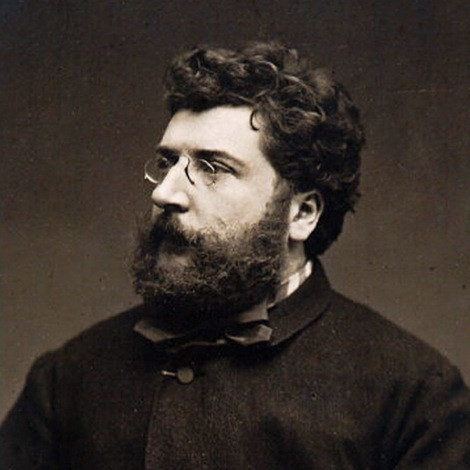
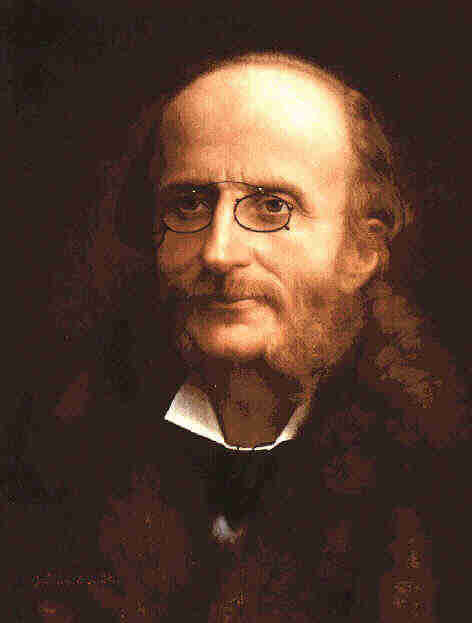
Grand opera emerged around works including Rossini’s Guillaume Tell (1829), and Giacomo Meyerbeer became its most celebrated exponent. Lighter opera also flourished, while Hector Berlioz’s stage works had difficulty finding an audience. Jacques Offenbach’s satirical operettas, Charles Gounod’s Faust and Georges Bizet’s Carmen represent other prominent currents of the period. Early audiences and critics were shocked by the mixture of passion and realism in Carmen.
Modern directions
Wagner’s influence was contested: traditionalist critics treated “Wagnerian” as a disparaging label, while some composers adopted his harmonic or dramatic ideas. Claude Debussy’s Pelléas et Mélisande (1902) combined a central orchestral role with fluid vocal declamation. Later French opera ranged from Francis Poulenc’s spiritual drama Dialogues des Carmélites (1957) to Olivier Messiaen’s large-scale religious drama Saint François d'Assise (1983).
Choose a theatrical current
Begin with a dramatic text in French and decide which part of the tradition you want to explore. For a courtly tragédie en musique, give substantial space to chorus, dance and spectacle; shape recitative around the rhythms of the words. You could organise the drama in acts, alternating expressive arias with recitative that advances the action and ending acts with divertissements.
Balance speech, song and orchestra
For an opéra-comique approach, alternate sung numbers with spoken dialogue. For a grand-opera approach, plan a large theatrical canvas, with prominent orchestral and choral writing and opportunities for ballet and visual spectacle. For a more elusive dramatic texture, you could follow the example of fluid declamation over an orchestral part that carries much of the atmosphere, rather than sharply separating aria from recitative.
Develop the stage work
As in opera more broadly, collaborate on a libretto and consider how voices, instrumental colour, dramatic pacing and stage action support one another. Choose the scale and vocal forces to suit the story and the performers available; the French scene offers both intimate comedy and expansive tragedy as possible models.

Best playlists


Influenced by


