Your digging level
Description
Cowboy Western is a strand of American popular and folk music that celebrates the imagery, work, and landscape of the American West. It grew around the "singing cowboy" tradition popularized by radio and Hollywood films in the 1930s–1940s, blending frontier ballads with Mexican corridos and ranchera stylings.
Hallmarks include acoustic guitars, fiddle, harmonica, and upright bass; clear, melodic vocals (often featuring yodeling); and story-driven lyrics about trail life, cattle drives, campfires, prairies, and lonesome riders. Harmony tends to be diatonic and straightforward (I–IV–V with the occasional vi), with rhythms ranging from gentle waltzes to two-step and light swing feels.
Distinct from later Nashville-oriented country, Cowboy Western retains an older ballad tradition and Southwestern border influences, anchored in narrative songs and a romanticized but grounded depiction of ranch and range life.
History
Cowboy song traditions emerged from the working culture of cattle hands and ranchers in the American West, where English/Scots-Irish balladry met Mexican corridos and ranchera on the range. These songs circulated orally, sung on the trail and in bunkhouses, often strophic and narrative, with simple guitar or unaccompanied delivery.
The genre crystallized in the 1930s with radio and Hollywood. Performers like Gene Autry and Roy Rogers (with groups such as Sons of the Pioneers) turned ranch ballads into popular entertainment, standardizing the Cowboy Western sound—acoustic guitars, fiddle, close harmonies, and yodeling—paired with wholesome, romanticized Western narratives. This period codified many repertoire staples and introduced the sound to national and international audiences.
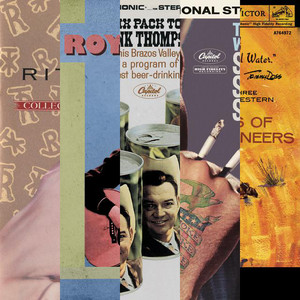
While mainstream country moved toward the Nashville Sound, Cowboy Western persisted via artists like Tex Ritter, Marty Robbins (notably Gunfighter Ballads and Trail Songs), and Patsy Montana. The style found new life in folk revivals and Western heritage movements, keeping traditional repertoire and storytelling central.
Contemporary acts such as Riders in the Sky, Don Edwards, Michael Martin Murphey, and Sons of the San Joaquin sustain and update the tradition—preserving campfire ballads, yodeling, and frontier storytelling while benefiting from modern recording and festival circuits. The genre’s imagery and songcraft continue to inform Americana, alternative country, and the broader cultural mythos of the American West.