Your digging level

For this genre
0/8
🏆
Sign in, then listen to this genre to level up

Description

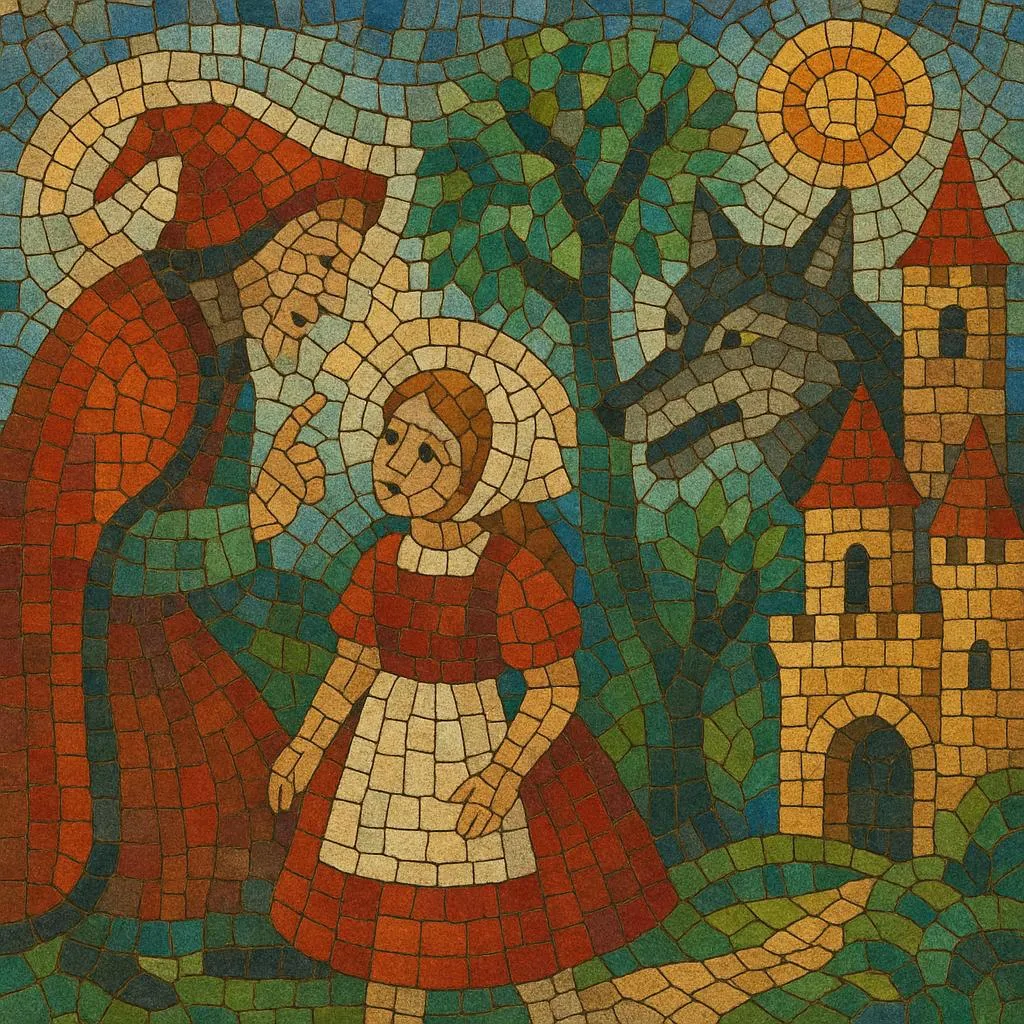
Çocuk masalları (literally "children’s tales") refers to Turkish-language narrated fairy tales and story records made for children, often embellished with simple music, sound effects, and occasional songs.

Produced first for radio and vinyl and later for cassette, CD, and streaming, these works adapt folk tales and global classics into Turkish cultural and linguistic contexts. Clarity of diction, moral messages, gentle pacing, and supportive background music are central, making them both entertaining and educational.


Sources: Spotify, Wikipedia, Discogs, RYM, MB, user feedback and other online sources

History

Early roots (oral tradition to radio)

Turkish çocuk masalları draw on a long oral storytelling tradition—family elders, schoolteachers, and professional storytellers (masalcı) telling Keloğlan, Nasreddin Hoca, and other folk tales. In the mid‑20th century, national radio brought narrated tales to broader audiences with dedicated children’s hours, where careful elocution and live foley cultivated an intimate, theater‑of‑the‑mind experience.

The record era (1960s–1980s)

With the growth of LPs and cassettes in the 1960s–80s, children’s story albums flourished. Stage and screen actors recorded classic and local tales with light orchestration, toy‑box timbres, and scene‑setting sound effects. Releases adapted international fairy tales alongside Turkish folk narratives, nurturing a generation that associated stories with recognizable voices and warm, didactic storytelling.

Expansion to home media and schools (1990s–2000s)

Cassettes and CDs circulated through homes, book fairs, and school media libraries. Publishers paired storybook prints with companion audio, reinforcing literacy and listening skills. Simple call‑and‑response songs and refrains eased participation for preschool and early primary listeners.

Digital platforms and apps (2010s–present)

Streaming, podcasts, and mobile apps revitalized the format, offering curated playlists for bedtime, travel, and classroom listening. Contemporary productions retain gentle pacing and moral clarity while updating sound design, mixing, and inclusive themes. Many recordings now integrate STEAM‑adjacent topics and soft skills (empathy, sharing, environmental awareness) within familiar story arcs.

How to make a track in this genre

Core elements
•   Narration first: Write a clear, age‑appropriate script in standard Turkish, with short sentences, vivid imagery, and a gentle moral. Keep segments 2–5 minutes; longer tales can be serialized. •   Pace and diction: Use warm, expressive delivery with slow‑to‑moderate pacing, distinct character voices, and intentional pauses to let imagery land.
Music and sound design
•   Instrumentation: Favor soft timbres—acoustic guitar, piano, recorder, glockenspiel, light strings, and toy instruments. For a Turkish hue, add ney, bağlama, kanun, or hand percussion (def, bendir) very lightly. •   Harmony & melody: Simple diatonic harmony (I–IV–V, occasional vi), pentatonic or folk‑like motifs, and catchy refrains children can hum. Aim for 60–100 BPM for calm scenes; brief uptempo cues for playful moments. •   Sound effects: Use subtle foley (birds, wind, footsteps, doors) to set scenes without masking speech. Keep dynamic range gentle for bedtime contexts.
Structure and participation
•   Scene cues: Short musical stingers to mark chapter changes, magic moments, or transitions. •   Call‑and‑response: Build in prompts (questions, counting, simple rhymes) to engage listeners; include one short sing‑along chorus per episode when appropriate. •   Educational layer: Weave soft skills (sharing, empathy) or light facts (nature, seasons) into the narrative without breaking immersion.
Production tips
•   Mix for intelligibility: Prioritize voice at comfortable child‑safe loudness; keep music and SFX 6–12 dB below narration. •   Consistency: Reuse leitmotifs for characters and recurring locations to help recognition across episodes. •   Testing: Pilot with small listener groups (parents/teachers) to validate pacing, vocabulary, and clarity.

Top tracks

Locked
Share your favorite track to unlock other users’ top tracks

Upcoming concerts

in this genre
Influenced by
Has influenced

Download our mobile app

Get the Melodigging app and start digging for new genres on the go
© 2026 Melodigging
Melodding was created as a tribute to Every Noise at Once, which inspired us to help curious minds keep digging into music's ever-evolving genres.
Buy me a coffee for Melodigging