

Your digging level
For this genre
0/8
🏆
Sign in, then listen to this genre to level up
Description
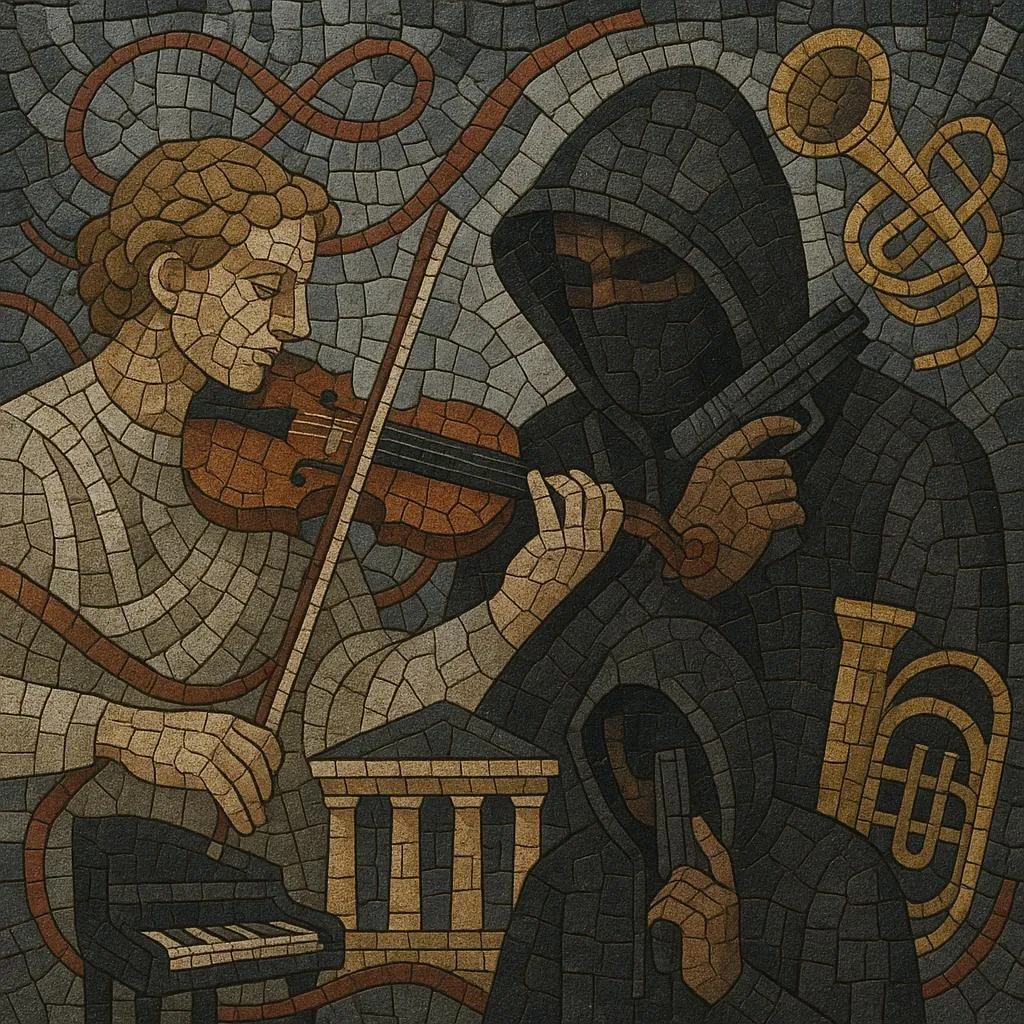
Classical drill is a hybrid of UK/NY drill and Western classical/orchestral sonorities. It retains drill’s half‑time bounce, sliding 808s, and menacing triplet hi‑hat grids, but places them under string ostinatos, piano arpeggios, cinematic choirs, brass stabs, and timpani rolls.
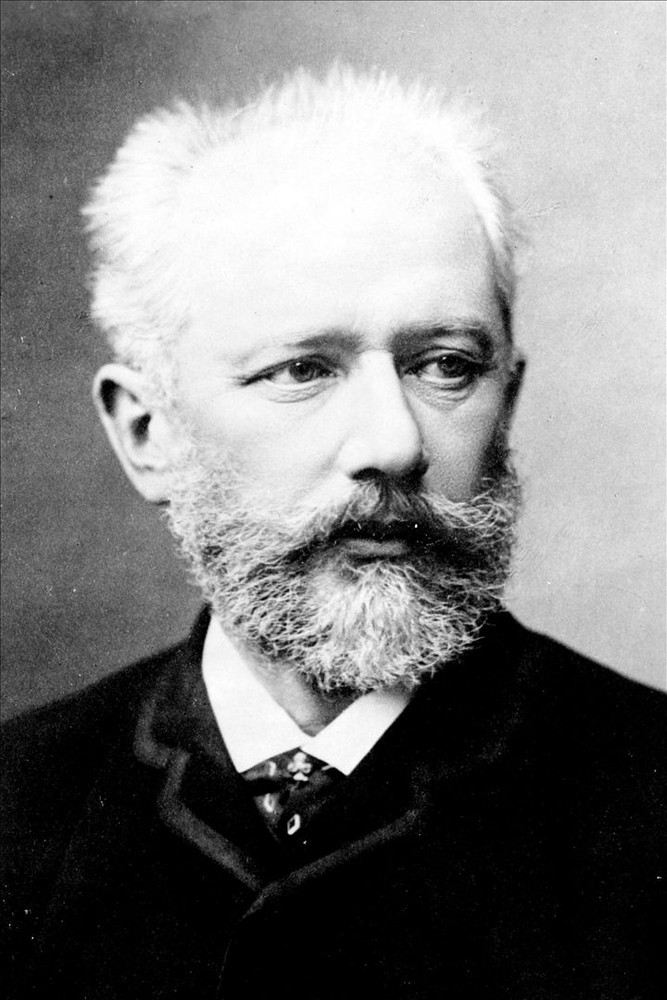
Rather than simply sampling old records, many producers write new, "classical‑styled" motifs (often in minor keys) using marcato/spiccato strings and dramatic cadences to heighten tension. Others flip public‑domain themes (e.g., Beethoven, Tchaikovsky) or soundtrack‑like textures. The result feels at once gritty and grand: street‑level urgency scored like a film.
History
Origins and precursors
• 2010s: Chicago drill (Chief Keef, Young Chop) introduced the stark, bass‑heavy blueprint. Soon after, UK drill localized the style with colder atmospherics, off‑kilter hi‑hat programming, and sliding 808s.
• Late 2010s: UK producers increasingly leaned on orchestral timbres—dark pads, string stabs, and choir swells—foreshadowing a dedicated "classical" take on drill.
Emergence as a named micro‑genre
• 2020–2021: On YouTube, TikTok, and beat marketplaces, "orchestral/classical drill type beats" proliferated. Producers began writing bespoke baroque‑ or romantic‑flavored string motifs against UK drill drum patterns. Public‑domain samples of canonical composers also appeared in flips and remixes.
• The term "classical drill" (aka orchestral drill or symphonic drill) solidified online to describe beats and tracks centering these cinematic, concert‑hall textures.
Diffusion and use
• 2021–2023: UK and NY drill rappers increasingly chose string‑heavy, choir‑accented instrumentals for singles and freestyles. The style’s cinematic feel made it attractive for syncs, trailers, and short‑form videos.
• 2020s: The sound spread across Europe and beyond (e.g., Russia, Italy, Latin America), aided by tutorials and sample packs focused on spiccato strings, hybrid scoring, and drill drum kits.
Aesthetic traits that stuck
• Minor keys (often natural/minor harmonic or Phrygian‑dominant colors), ostinatos, cadence‑like endings, and "tutti" hits became common. The core drill bounce and 140–145 BPM grid ensured it still read unmistakably as drill—even while dressed in symphonic clothing.
Tempo, groove, and drums
• Aim for 140–145 BPM with a half‑time feel. Use UK drill’s signature swing: sparse, hard‑hitting kicks, a sharp clap/snare on beat 3, and syncopated ghost‑kicks.
• Program hi‑hats with triplet rolls, off‑grid jitters, and occasional doubles; sprinkle open hats and hat slides for energy.
• Use long 808s with slides, bends, and occasional rests to let orchestral hits breathe; saturate subtly to keep sub definition.
Orchestral palette and harmony
• Core instruments: spiccato/marcato strings (violins/violas/cellos), piano (arpeggios and octave hits), low brass (tuba/horns), choir pads, and timpani/toms for drops.
• Write short, looping ostinatos (1–4 bars) in minor keys; common colors include Aeolian, harmonic minor, and Phrygian‑dominant. Keep motifs rhythmically tight to lock with the hats.
• Use functional cadences (e.g., i–VI–VII or i–iv–V) or pedal‑point bass under evolving string voicings. Reserve big "tutti" stabs for transitions, hooks, and ad‑libs.
Sound design and arrangement
• Layer close‑miked spiccato with a wider hall reverb stem for size; automate reverb/delay throws at section changes.
• Intro: expose the motif (solo piano or strings). Hook: full ensemble + 808 and hats. Verses: strip back (lose brass/choir, keep strings+piano and bass). Bridge: brief breakdown with timpani roll into the final hook.
• If sampling classical works, choose public‑domain sources, carefully time‑stretch and re‑harmonize to fit the drill grid.
Vocals and performance
• Delivery: assertive and rhythmically locked; leave space for orchestral hits to punch. Ad‑libs can echo brass/choir entries.
• Lyrical themes often mix bravado and reflection; the cinematic bed supports storytelling, victories, and high‑stakes narratives.
Mixing tips
• Sidechain orchestral buses slightly to the 808/kick to preserve sub energy without squashing the hall.
• Tame harsh string upper‑mids (2–5 kHz) with dynamic EQ; add a gentle high‑shelf to choirs for air.
• Glue the orchestra with bus compression (slow attack, medium release), then let drums remain punchy and a touch drier up front.

Ghosty Explains UK Drill Production To A Classical Music Expert | Classical Kyle | Capital XTRA
Capital XTRA

Best playlists


Top tracks
Locked
Share your favorite track to unlock other users’ top tracks
Upcoming concerts
in this genre
