Your digging level

For this genre
0/8
🏆
Sign in, then listen to this genre to level up

Description

Classic luk thung is the foundational era of Thailand’s rural-origin “country” popular music, crystallized between the 1950s and 1970s. It blends Thai folk-poetic singing and ornamentation with Western dance-band arrangements, Latin rhythms (bolero, cha-cha-cha, mambo), and elements of Thai classical performance practice.

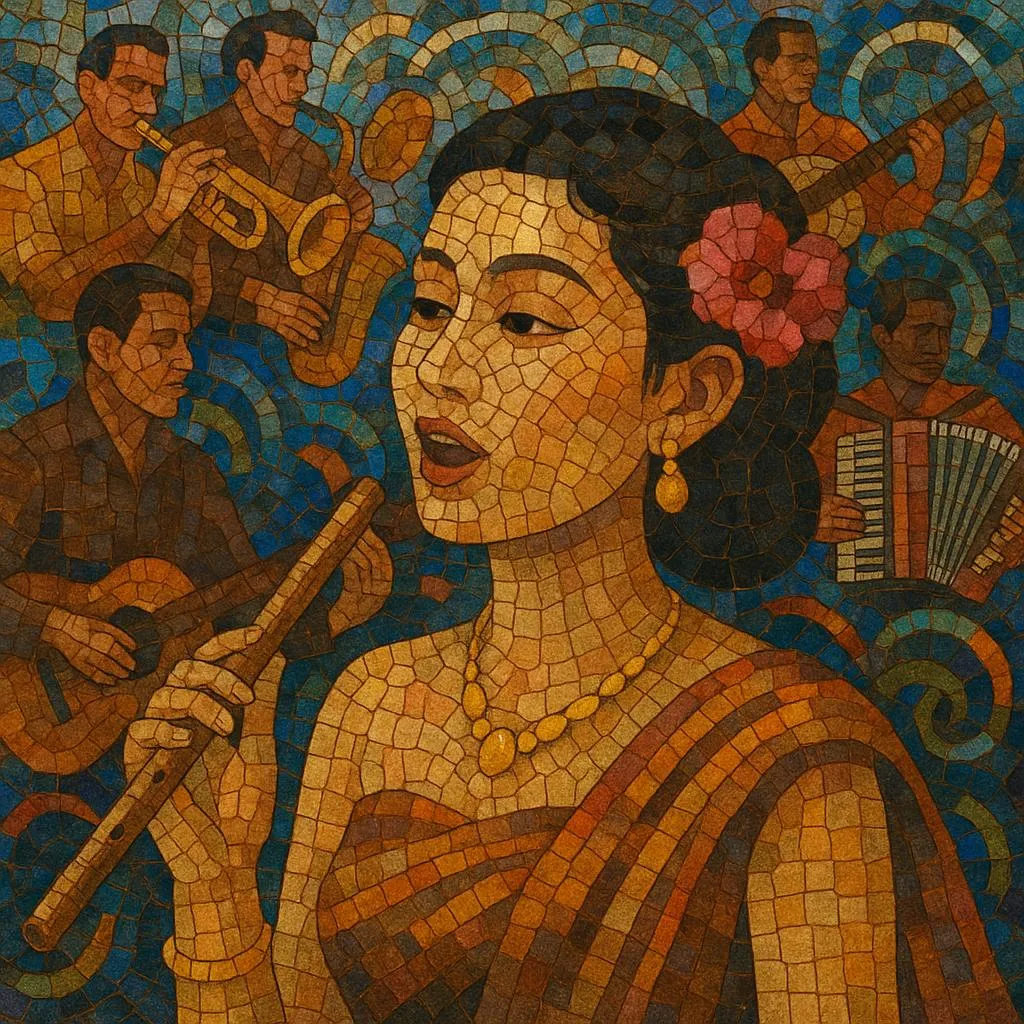
Songs typically portray the lives, loves, hopes, and hardships of rural and migrant workers, using vividly narrative lyrics, regional dialects, and a bittersweet, nostalgic tone. Vocal delivery favors expressive melisma, flexible phrasing, and a conversational quality, while the backing combines brass, strings, accordion/organ, guitars, and Thai instruments (such as khlui flute) in lush, danceable arrangements.


Sources: Spotify, Wikipedia, Discogs, RYM, MB, user feedback and other online sources

History

Early Formation (1940s–1950s)

Luk thung emerged as a distinct rural popular style in the post–World War II era, when Thai singers and composers began setting rustic, narrative lyrics to modern band arrangements. Drawing on Thai folk song idioms and Thai classical vocalism, early practitioners experimented with swing and bolero inflections brought by urban dance bands and cinema orchestras. By the late 1950s, the term “luk thung” (literally “child of the fields”) came to signify songs that centered rural perspectives and used down-to-earth language.

Classic Era Peak (1960s–1970s)

In the 1960s and 1970s, classic luk thung solidified its sound: crooning yet agile vocals, Latin-derived rhythms (cha-cha-cha, bolero, mambo), brass and string sections, and occasional Thai instruments coloring the arrangements. Lyrics often depicted migration from countryside to city, romantic longing, moral tales, and social commentary. Star singers and charismatic bandleaders developed strong regional followings through radio, film, and live touring.

Legacy and Continuity

The classic repertoire became a national touchstone, continually reinterpreted by later generations. Its melodic shapes, rural themes, and dance-friendly orchestrations fed into modern luk thung and related Thai pop and rock styles, while the “country-modern” production template influenced stage shows, television programs, and festival circuits across Thailand.

How to make a track in this genre

Melody and Vocals
•   Write singable, narrative melodies that allow for expressive melisma and flexible phrasing. •   Use Thai-style ornamentation (grace notes, slides) and a conversational, story-telling delivery.
Harmony and Form
•   Employ simple Western harmonic progressions (I–IV–V, occasional ii or vi) to support the vocal line. •   Structure songs in verse–refrain forms with a memorable hook; include an instrumental intro/interlude for dance appeal.
Rhythm and Groove
•   Base grooves on Latin dance feels (bolero, cha-cha-cha, mambo) or gentle swing/foxtrot; keep tempos moderate and steady. •   Accentuate danceability with percussion patterns (congas/bongo-like figures) alongside a standard drum kit.
Instrumentation and Arrangement
•   Combine brass (trumpets/trombones) and strings with electric guitar, bass, drum kit, and keys (accordion/organ). •   Add Thai color (e.g., khlui flute, occasional plucked Thai instruments) for timbral identity. •   Use call-and-response lines, countermelodies in horns/strings, and brief instrumental breaks.
Lyrics and Themes
•   Focus on rural life, migration, love, homesickness, humor, and moral stories; include regional idioms/dialects when apt. •   Keep imagery concrete and empathetic, balancing tenderness and bittersweet nostalgia.
Production and Performance
•   Aim for warm, present vocals with natural reverb; arrange for live dance-band feel. •   Incorporate stage banter and audience engagement to honor the genre’s showband tradition.

Top tracks

Locked
Share your favorite track to unlock other users’ top tracks

Upcoming concerts

in this genre
Influenced by
Has influenced

Download our mobile app

Get the Melodigging app and start digging for new genres on the go
© 2026 Melodigging
Melodding was created as a tribute to Every Noise at Once, which inspired us to help curious minds keep digging into music's ever-evolving genres.
Buy me a coffee for Melodigging