


Your digging level
For this genre
0/8
🏆
Sign in, then listen to this genre to level up
Description
Chicago hardcore was a network of bands, venues and audiences in Chicago and the surrounding area, rather than a musical style in its own right. Beginning in the 1980s, it brought together hardcore punk and post-hardcore acts whose music drew in part on British post-punk.
By the 1990s, the scene encompassed distinct strands: a straight edge community that increasingly incorporated heavy metal into hardcore, and a South Side thrashcore community that favored faster, punk-leaning music. Their different sounds and social circles helped make Chicago hardcore a scene with several identities rather than a single formula.
History
Beginnings in the 1980s
Naked Raygun, Big Black and the Effigies were prominent as Chicago's hardcore scene emerged. They also contributed to the development of post-hardcore, combining hardcore with influences from British post-punk. Medusa's hosted many local hardcore shows during the decade.
After bands were paid inadequately at a 1989 show organized by promoter Sean Duffy, word spread and many touring bands stopped playing Chicago. Ben Weasel responded by booking shows at Durty Nelly's in Palatine, which became a local scene center.
Separate strands in the 1990s
The straight edge side of the scene moved from fast, punk-leaning hardcore toward slower tempos and heavier metal influences. Arma Angelus and Racetraitor were among the bands associated with the later straight edge metalcore scene. Some younger bands regarded the circle around Tony Brummel and Victory Records as unwelcoming and distanced themselves from it.
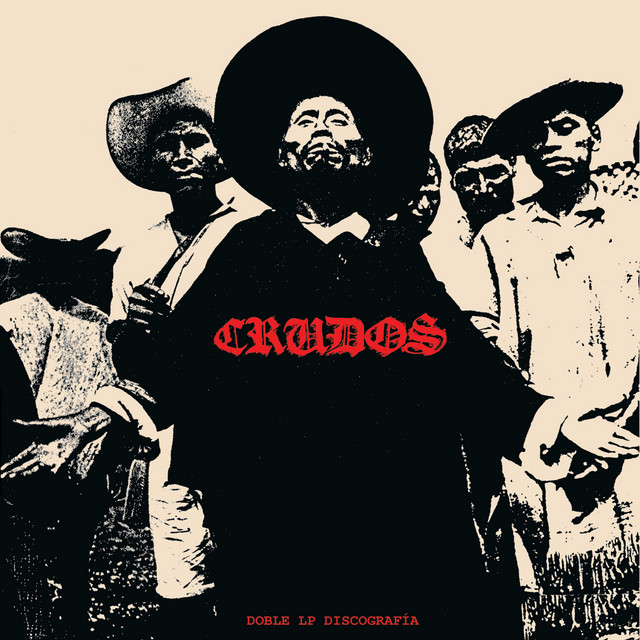
On Chicago's South Side, Los Crudos and Charles Bronson were among the bands continuing a faster, punk-oriented approach. The two communities were distinct, although some musicians crossed between them.
Crossover and later activity
In the 2000s, artists originating in Chicago hardcore reached wider audiences. Rise Against developed a more melodic approach to hardcore, while Fall Out Boy pursued a more pop-oriented sound. Later activity included heavy, down-tuned hardcore bands such as Harm's Way, as well as the powerviolence band Weekend Nachos.
Choose a strand
Start with hardcore punk rather than trying to reproduce a single Chicago hardcore style. For an early-scene approach, combine the direct impact of hardcore with ideas from post-punk. You could use a tense, angular guitar part alongside a forceful rhythm section.
Shape the weight and pace
For a South Side thrashcore-inspired piece, favor fast, punk-leaning riffs and an urgent attack. For an approach closer to the straight edge metalcore strand, you could contrast fast hardcore passages with slower, heavier sections and draw on metal guitar writing. Heavy, down-tuned guitars are another option suggested by the scene's later bands.
Arrange for impact
A common hardcore approach is to build a song from a small number of sharply contrasted sections. Try letting the rhythm section reinforce changes between riffs, then use vocal phrasing and dynamics to distinguish a melodic passage from a more abrasive one.
Best playlists


Users’ favorites
Tracks
Share your favorite track to see the other users’ ones
Artists
Share your favorite artist to see the other users’ ones
Albums
Share your favorite album to see the other users’ ones
Related labels

Upcoming concerts
in this genre
Influenced by


Has influenced

