Your digging level for this genre

0/8
🏆
Sign in, then listen to this genre to level up

Description

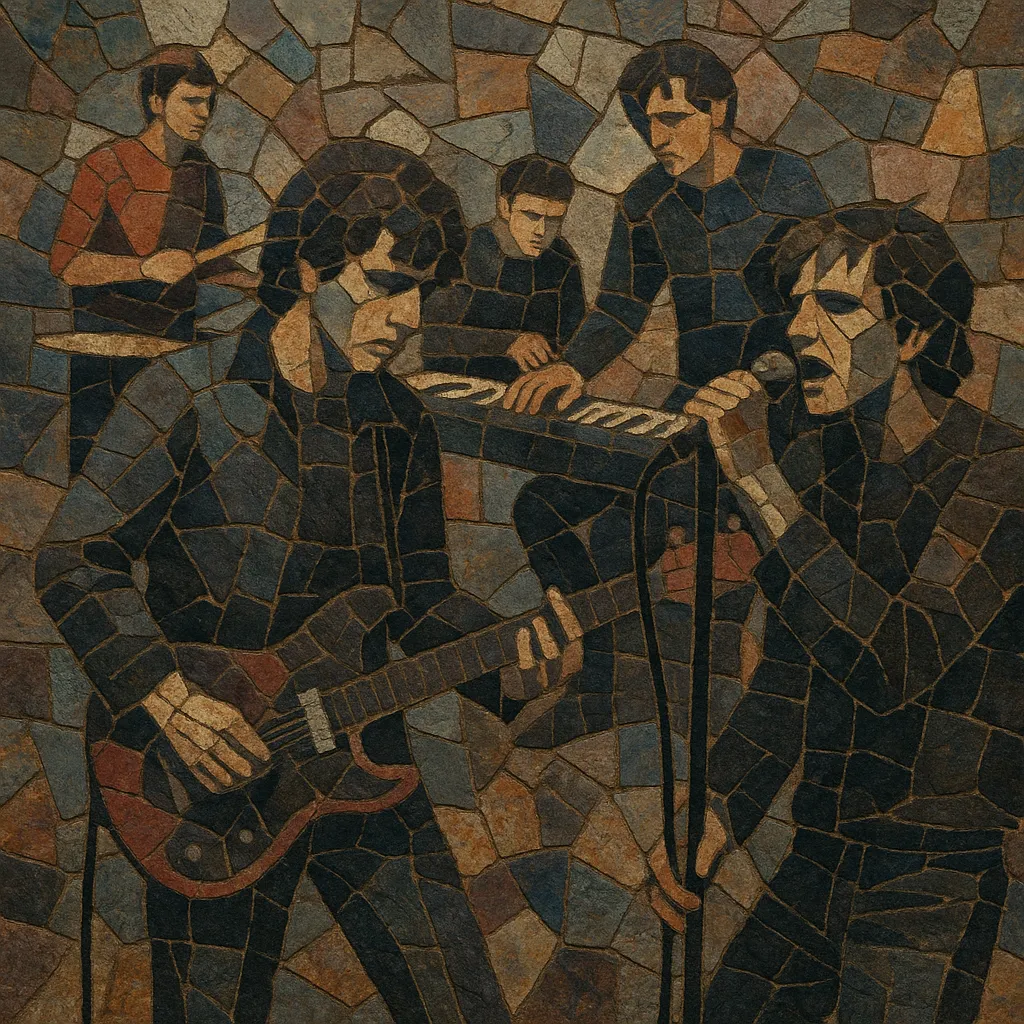
Česká nová vlna (Czech New Wave) refers to the late–Cold War wave of Czech punk-, post‑punk-, and new wave‑aligned bands that emerged from Prague, Brno, Plzeň and other urban centers under state socialism.

Musically it fused brisk punk energy, angular post‑punk bass and guitar figures, prominent synthesizers and drum machines, and a streak of theatrical art‑rock. Lyrically it leaned on satire, allegory, and surrealism to dodge censorship, mixing dark urban poetics with deadpan humor.

Because most activity happened in semi‑official clubs, student cultural houses, and the underground circuit, recordings were often raw and DIY, yet the scene’s songwriting was melodically sharp and rhythmically danceable. After 1989, many of its key groups became pillars of Czech alternative and indie rock.

History

Origins (late 1970s–early 1980s)

The Czech New Wave coalesced at the turn of the 1980s, when local musicians absorbed UK/US punk, post‑punk, and new wave via scarce records and radio. Early groups shaped a distinctly Czech response: sharp rhythms, sardonic wit, and art‑rock theatricality.

Suppression and the underground

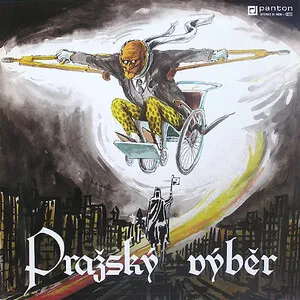
In 1983, the regime’s press attacked the movement with the slogan “Nová vlna se starým obsahem” (“New wave with old content”), leading to bans, cancelled gigs, and increased scrutiny of clubs and the Jazzová sekce (Jazz Section). Bands changed names, operated semi‑legally under cultural organizations, or recorded on cassettes. The constraints pushed artists toward metaphor-rich lyrics, lean arrangements, and a tight live circuit of loyal audiences.

Late 1980s breakthrough and 1989

By the later 1980s, synths and drum machines became more common, helping some groups craft radio‑friendly singles while others kept a rough, art‑punk edge. The Velvet Revolution in 1989 ended censorship; long‑suppressed bands issued official albums and played large stages, codifying the scene’s repertoire.

Legacy

Česká nová vlna set the template for Czech alternative and indie after 1990: smart, irony‑tinged lyrics in Czech, rhythmic bite, and a blend of punk directness with artful arrangements. Its catalog remains a touchstone for post‑punk revivalists and synth‑inclined indie across the region.

How to make a track in this genre

Core instrumentation and sound
•   Guitars: Clean-to-crunchy tones with chorus/flanger, tight muted strums, and angular, repetitive riffs. •   Bass: Melodic post‑punk lines that drive harmony; often picks and a bright tone. •   Drums: Up‑tempo, danceable backbeats (≈120–140 BPM); incorporate drum machines for 80s character. •   Synths: Juno/DX‑style pads, arpeggios, and lead hooks that alternate with guitar motifs. •   Extras: Occasional saxophone or percussion to accent the theatrical edge.
Harmony and melody
•   Favor minor keys with modal color (aeolian/dorian), pedal tones, and ostinatos. •   Use concise progressions (i–♭VII–♭VI, or i–IV–V variants) and suspended/add2 voicings typical of new wave. •   Craft singable, slightly bittersweet melodies; contrast terse verses with hooky, chantable choruses.
Lyrics and delivery
•   Write in Czech (or your native language) with double meanings, irony, and satirical social observation. •   Employ surreal images and wordplay to imply critique rather than declare it. •   Vocals are often declamatory or deadpan, with dramatic accents in the chorus.
Arrangement and production
•   Keep songs tight (3–4 minutes), emphasizing groove and motif development. •   Layer guitar and synth hooks in call‑and‑response; leave space for the bass to carry motion. •   Production can be slightly lo‑fi or "club dry": limited reverb, strong midrange, and prominent rhythm section.
Performance tips
•   Prioritize kinetic stage energy and clear rhythmic articulation. •   Use visual minimalism with subtle theatrical gestures to mirror the music’s sardonic tone.

Top tracks

Locked
Share your favorite track to unlock other users’ top tracks
Influenced by
Has influenced
Challenges
Digger Battle
Let's see who can find the best track in this genre
© 2025 Melodigging
Melodding was created as a tribute to Every Noise at Once, which inspired us to help curious minds keep digging into music's ever-evolving genres.
Buy me a coffee for Melodigging