

Your digging level
Description
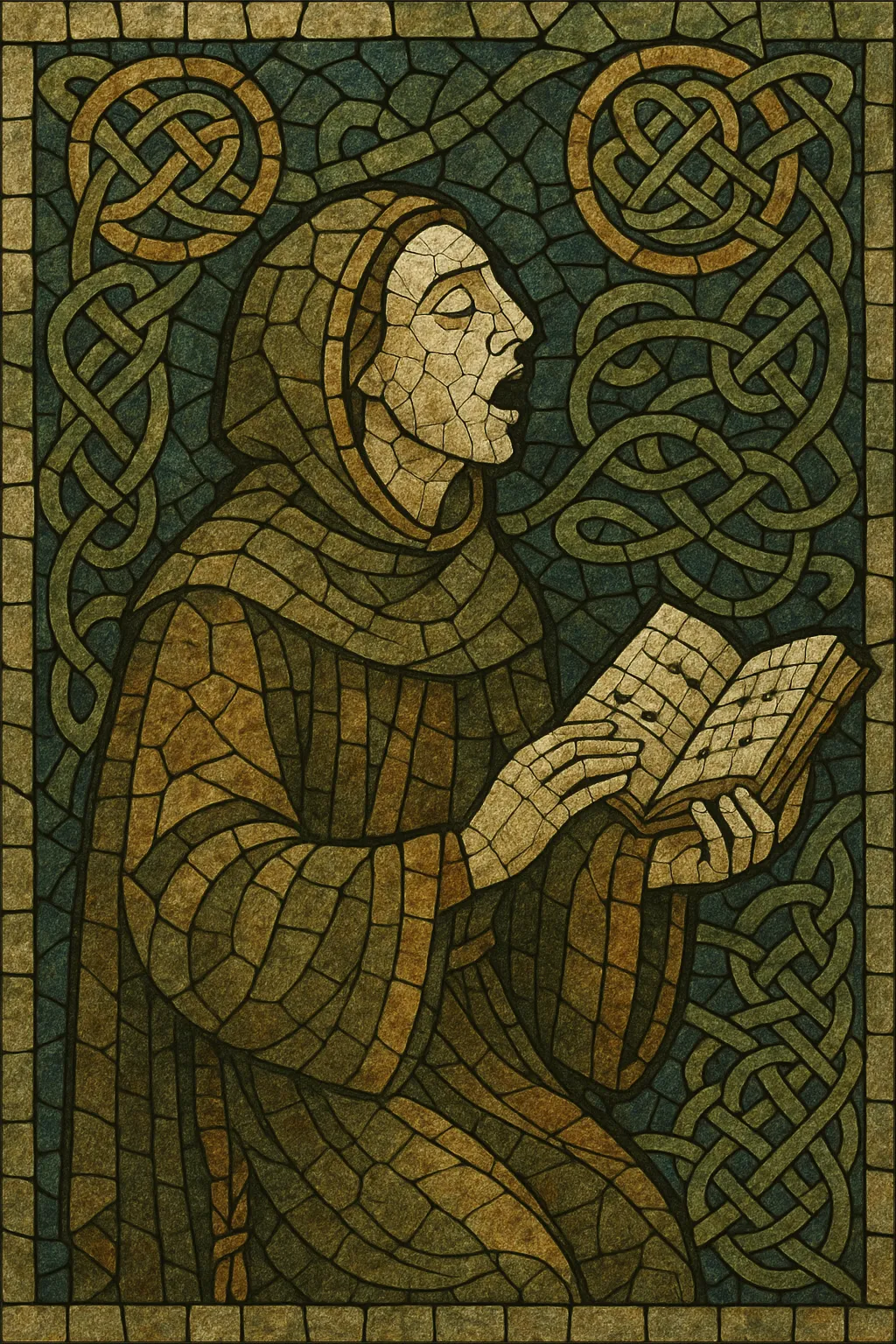
Celtic chant is the monophonic, liturgical plainchant associated with the Celtic rite practiced by early medieval Christian communities in Celtic Britain, Gaelic Ireland, and Brittany.
Closely related to other Western chant families yet distinct from the Roman-Gregorian tradition that later prevailed, it accompanied the Mass and Office in monastic and ecclesiastical contexts. No authentic notated melodies of Celtic chant survive; consequently, its musical profile is inferred from liturgical books, textual parallels, and comparative study with sibling chant traditions. By the 12th century, the Roman rite (and its Gregorian chant) had supplanted the Celtic rite, leaving Celtic chant as an extinct but historically significant strand of early Western liturgical song.
History
Celtic chant emerged within Insular Christian communities in Ireland, Britain, and Brittany as part of a broader network of early Western plainchant families. Monastic foundations and missionary activity (e.g., on Iona and across northern Britain) fostered a localized chant practice that set Latin liturgical texts (Mass Propers and Ordinary, Offices, hymns, and litanies) to formulaic, modal melodies. While the repertory was undoubtedly influenced by the same late antique sources that informed other Western chants, it developed distinctive local usages within the Celtic rite.
Unlike Gregorian, Mozarabic, or Ambrosian repertories, no securely notated Celtic-rite melodies have survived. Knowledge of Celtic chant is therefore indirect, gleaned from liturgical books (such as the Antiphonary of Bangor and the Stowe Missal), textual incipits, and later witnesses that suggest what was sung even if they do not preserve pitch or neumes. Musicologists infer its modal and formulaic character by comparing Celtic liturgical items with cognate chants in other traditions and by studying tonaries, textual concordances, and ritual parallels.
From the later first millennium, ecclesiastical reforms and the spread of the Roman rite brought Gregorian chant to Insular churches. By the 12th century the Celtic rite had been largely replaced, and with it the melodic practice of Celtic chant ceased to be transmitted. Some Celtic texts and feasts persisted in local calendars, but the sounds themselves disappeared from living practice.
Although the melodic corpus is lost, the idea of a distinct Celtic chant tradition has remained important for understanding early medieval liturgical diversity. Modern performers and scholars cautiously reconstruct plausible soundscapes by drawing on modal psalmody, Western plainchant aesthetics, and Insular liturgical sources—always acknowledging the speculative nature of such efforts.

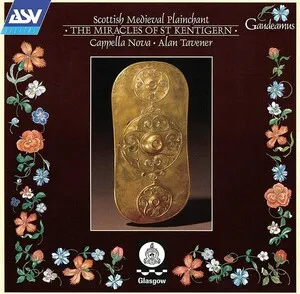
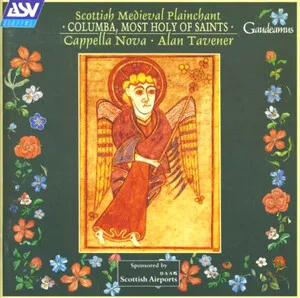
Top albums



%2C%20Cover%20art.webp)
%2C%20Cover%20art.webp)

