Your digging level
Description
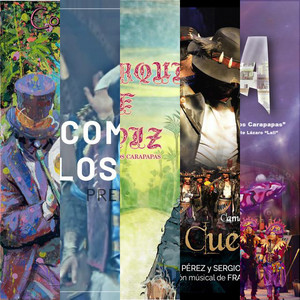
Carnaval de Cádiz is the musical-poetic tradition associated with the famous Cádiz Carnival in Andalusia (Spain). It is performed by choral and small-ensemble groups that sing topical, satirical, and often tender texts set to distinctive local forms such as pasodobles, cuplés, tangos de coro, presentaciones, and popurrís.
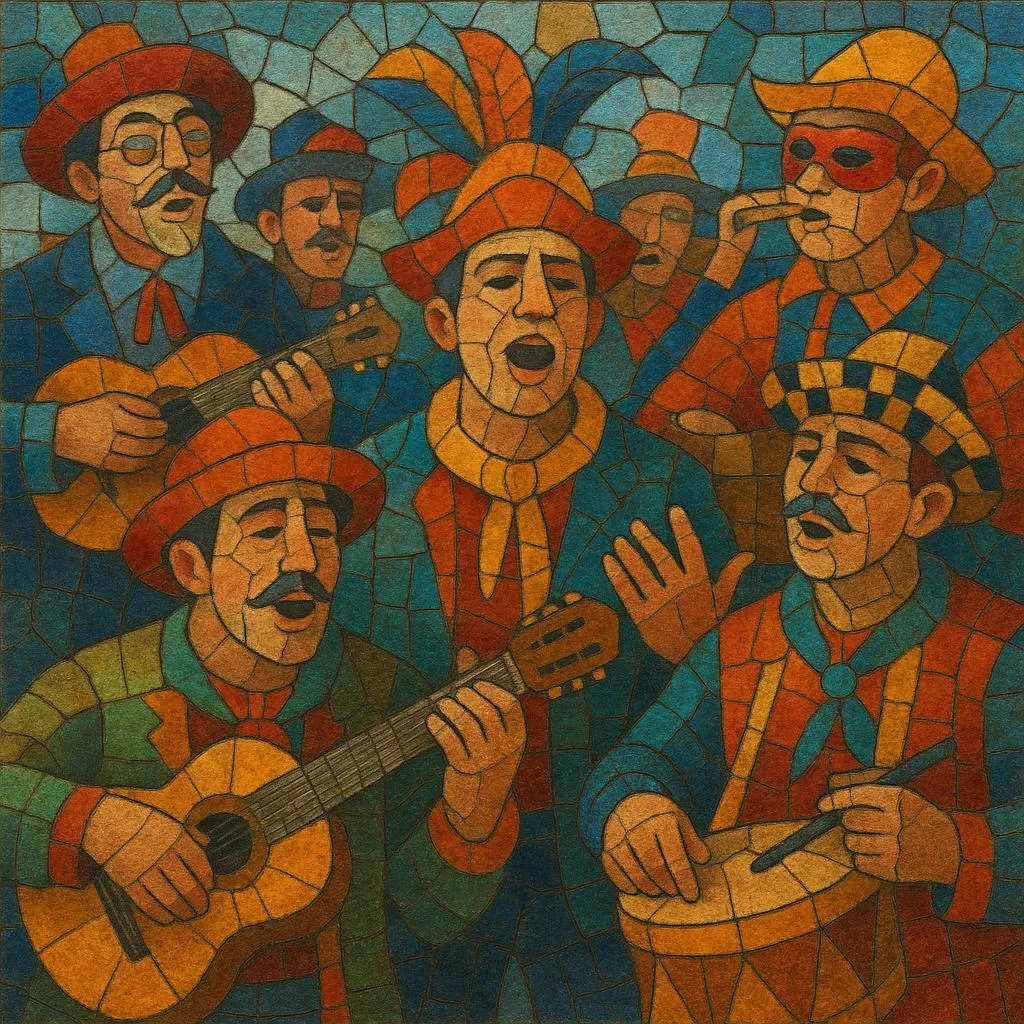
Ensembles include chirigotas (comic groups), comparsas (more lyrical and serious), coros (large choral groups riding in open carriages), and cuartetos (spoken-sung comedy). Typical instrumentation features Spanish guitars, bandurria and laúd (mandolin-family instruments), bombo (bass drum), caja (snare), and the iconic pito de carnaval (small kazoo/whistle). Harmonies are diatonic and choral, with memorable refrains designed for audience participation.
Musically, Cádiz Carnival blends the march-like thrust of the pasodoble with the habanera/tango-tinged sway of the coro’s “tangos,” while lyrics deploy sharp social commentary, local wordplay, and double entendre. The result is a living civic songbook where humor, critique, and collective identity meet.
History
Cádiz, a cosmopolitan Atlantic port, absorbed Italian and Spanish theatrical song forms (zarzuela, tonadilla, cuplé) and the rhythmic sway of the habanera and tango via transatlantic exchange. These currents fused with local Andalusian song practices and the march-like pasodoble to shape the first carnival repertories. By the early 1900s, recognizable forms such as the pasodoble gaditano and coro tangos were in circulation, sung by organized "agrupaciones" during Carnival.
Across the mid‑20th century, leading authors and directors refined ensemble types and textual rhetoric. The comparsa’s more poetic and emotive voice contrasted with the chirigota’s biting humor. The coro consolidated its massed choral sound with bandurria and laúd, while the cuarteto mixed spoken comedy and song. Despite political constraints in the Franco era, Cádiz’s tradition persisted (often under rebranded festivities), maintaining topical satire in coded ways.
With Spain’s transition to democracy, the modern competition framework at the Gran Teatro Falla (COAC) helped professionalize standards, broaden audiences, and amplify the authorship of celebrated writers and directors. New harmonic sophistication, tighter arrangements, and media exposure (radio/TV and later the internet) brought Cádiz Carnival songs to a wider Spanish-speaking public, while preserving the core mix of humor, tenderness, and social critique.
Digital platforms spread pasodobles, cuplés, and popurrís well beyond Andalusia. Arrangements remain rooted in guitars, bandurria/laúd, bombo, caja, and pito, but show modern polish. The tradition continues as a civic forum—renewed annually—where ensembles respond to current events with satire and affection, keeping the music’s participatory spirit and local color alive.