Your digging level
Description
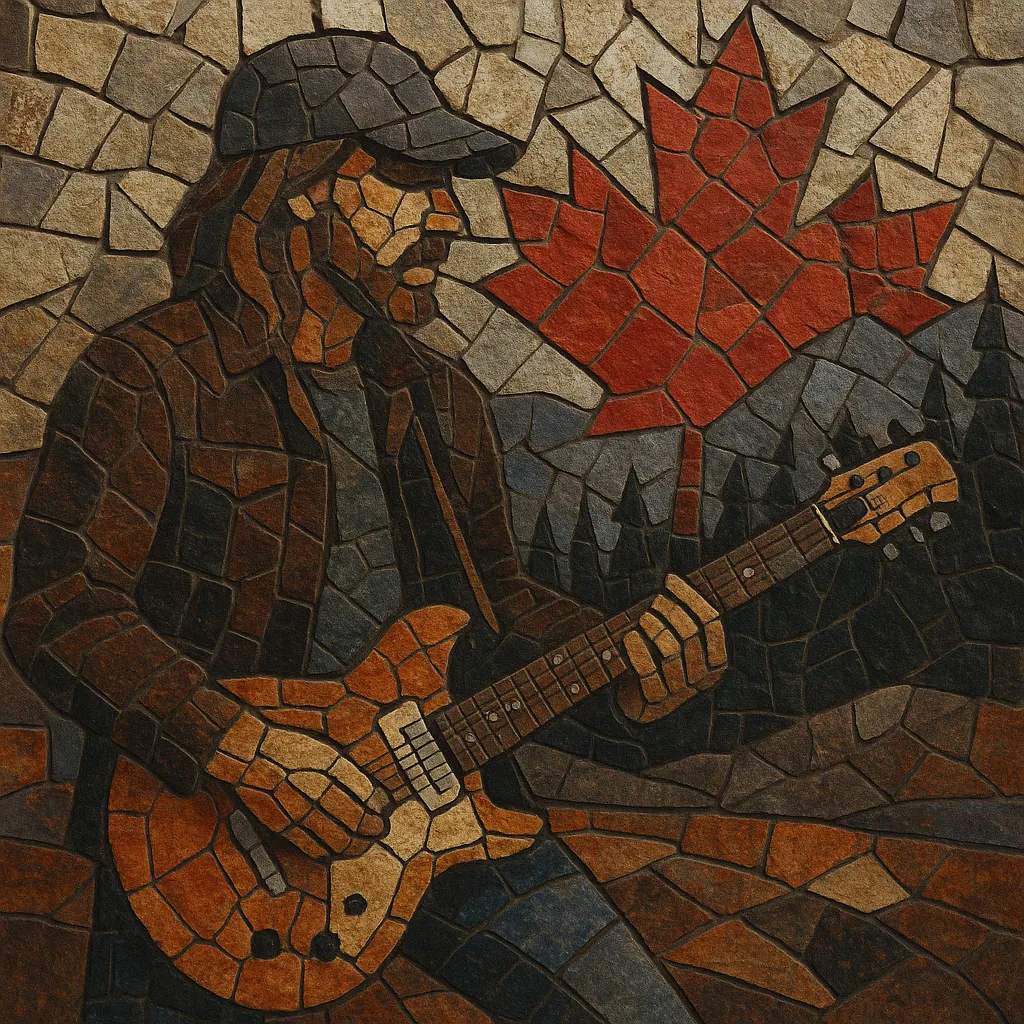
Canadian rock is a broad umbrella for rock music created by Canadian artists, blending the punch of U.S. rock and roll with the melodic sensibilities of British rock, and adding distinct Canadian storytelling and regional imagery. It ranges from bluesy classic rock and progressive epics to alternative and indie scenes with literate, place-specific lyrics.
A defining structural factor was the country’s CanCon (Canadian content) broadcasting regulations introduced in the early 1970s, which accelerated domestic airplay and helped build sustainable touring circuits from coast to coast. Canadian rock often balances anthemic choruses with reflective narratives, evokes the vastness of the landscape, and at times incorporates folk and country colors. Bilingual and multicultural voices—especially from Quebec’s francophone scene—also contribute to its tonal palette.
History
Canadian rock took shape in the 1960s as local bands absorbed U.S. rock and roll and the British Invasion. Acts such as The Guess Who demonstrated that Canadian groups could score international hits while singing about distinctly North American (and Canadian) themes. Regional club circuits in cities like Winnipeg, Toronto, Montreal, and Vancouver nurtured a growing ecosystem of writers, players, and producers.
The 1970s were pivotal: federal CanCon radio rules increased domestic exposure, fueling careers for bands that might otherwise have remained regional. Progressive and hard rock flourished—Rush brought technical virtuosity and conceptual albums to global audiences, while Bachman–Turner Overdrive and April Wine delivered riff-driven radio staples. Touring across Canada’s vast geography forged a road-hardened sound and anthemic stagecraft.
The 1980s amplified Canadian arena rock globally. Bryan Adams, Loverboy, and Triumph pushed hook-forward, high-energy sounds that translated to international arenas and MTV. Production values rose, and Canadian studios/engineers earned reputations for polished yet muscular sonics. The era cemented a classic-rock canon that remains core to rock radio in Canada.
The 1990s saw a shift to alternative and indie rock with bands like The Tragically Hip, Sloan, Our Lady Peace, and The Tea Party. Lyrics grew ever more place-specific and literary, leaning into Canadian cultural references without compromising mass appeal. College radio and independent venues fostered a thriving DIY network across provinces.
The 2000s brought an internationally recognized indie wave—Arcade Fire, Metric, Broken Social Scene, and Feist helped position Canada as a tastemaker in artful, emotionally resonant rock. In the 2010s and beyond, artists such as Arkells bridged festival-ready anthems with community-minded narratives. Today, Canadian rock encompasses legacy acts, francophone innovators, and genre-crossing newcomers, all supported by robust live circuits and a resilient media ecosystem.