Your digging level
Description
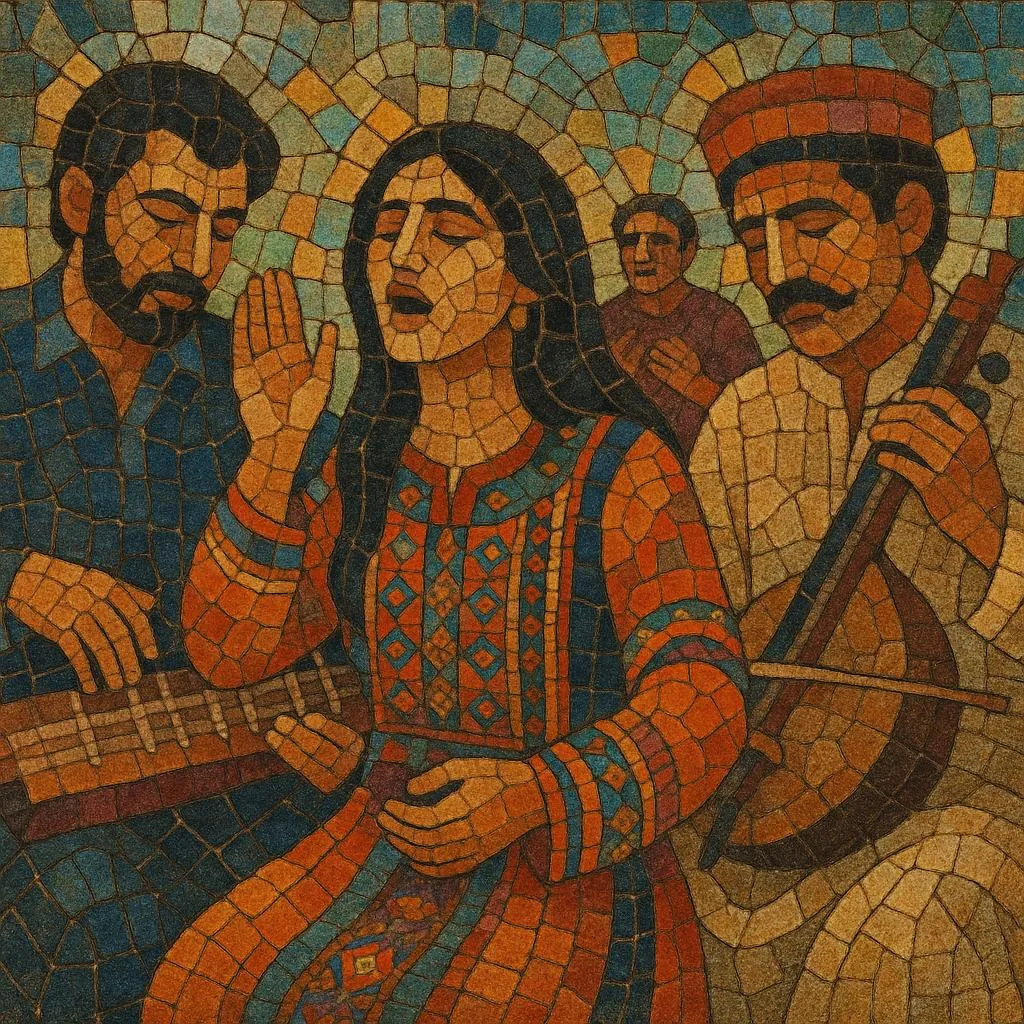
Balochi pop is a contemporary popular music style that modernizes traditional Baloch musical idioms with guitars, synthesizers, drum machines, and studio production. It preserves hallmark elements such as the benju (zither), suroz/sarinda (bowed lute), and tanburag/damburag (plucked lute), while adopting verse–chorus hooks and radio-friendly song lengths.
Sung primarily in Balochi (notably Rakhshani, Makrani, and Sistani dialects), the genre blends coastal dance grooves from Makran with South Asian pop harmony and the ornamented vocal delivery common across Iranian and Indo‑Muslim traditions. Themes typically center on love, longing, landscape and sea, tribal identity, and contemporary social life, often delivered with call‑and‑response refrains and hand‑clap patterns that invite audience participation.


History
Balochi pop emerged as urbanization and media infrastructure connected Baloch communities across Pakistan’s Balochistan and Karachi, as well as Iran’s Sistan and Baluchestan. Folk singers and benju or suroz players began appearing on regional radio and television, and cassette culture enabled local labels to circulate modernized arrangements of folk repertoire. This period established the template: traditional melodies and dance rhythms framed by electric guitars, keyboards, and drum machines.
During the 1990s, inexpensive keyboards and digital production broadened access for young performers. Small studios in Quetta, Gwadar, Turbat, and Karachi’s Lyari refined the sound with tighter verse–chorus forms, backing vocals, and more prominent bass lines. Cross‑border exchange continued despite varying cultural restrictions, with Iranian and Gulf‑based Baloch diaspora audiences playing a key role in sustaining demand for recordings and live shows.
The streaming era brought Balochi pop to wider national and international audiences. YouTube and social media amplified regional hits, while high‑profile TV studio formats in Pakistan showcased Balochi language songs and timbres within modern pop frameworks. Contemporary artists mix benju and suroz with EDM kicks, acoustic guitars, and glossy vocal production, creating a cosmopolitan yet rooted sound. The result is a living popular tradition that circulates across South Asia, the Gulf, and global Baloch diaspora communities.