Your digging level
Description
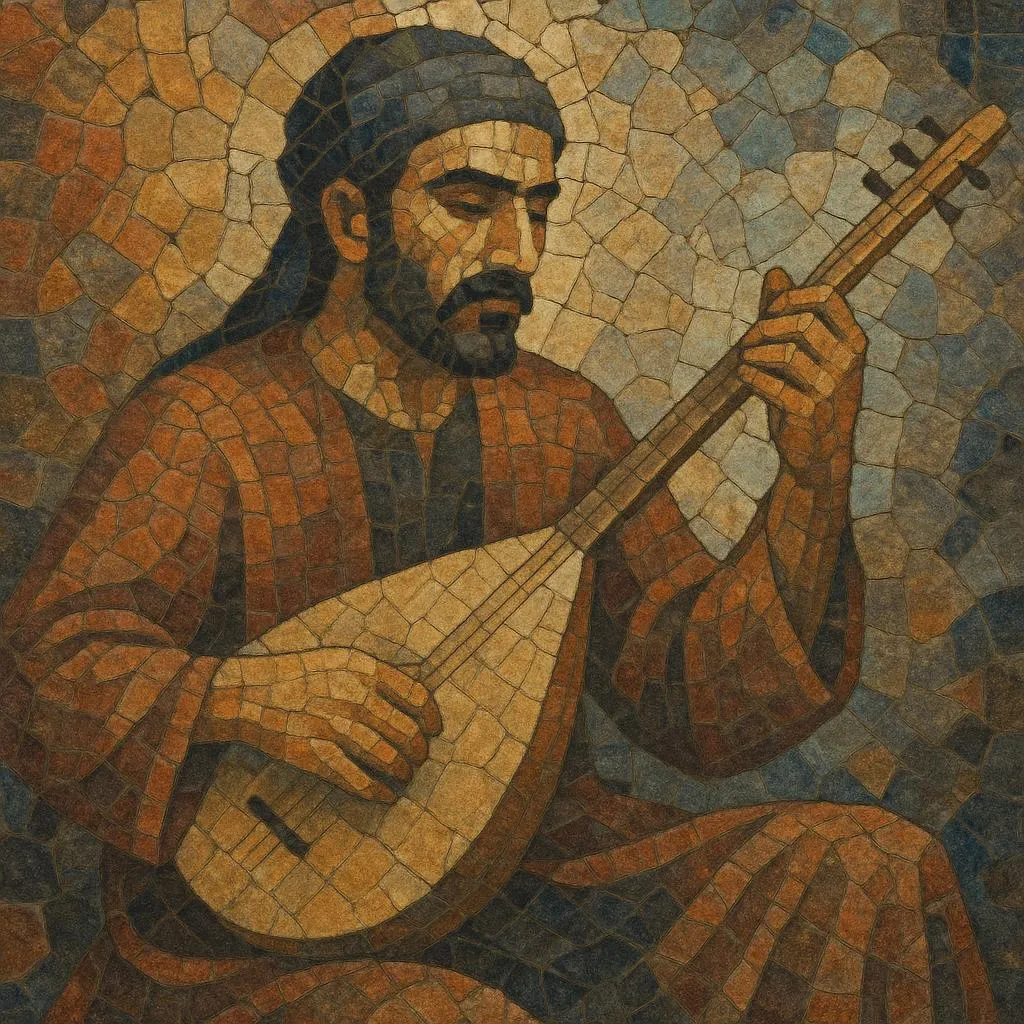
Baglama refers to the musical tradition centered on the bağlama (saz), the long‑necked lute that is the emblematic instrument of Turkish folk music. Its repertoire includes metered dance songs (kırık hava) and free‑rhythm laments (uzun hava), Alevi‑Bektaşi devotional forms (nefes, deyiş, semah), ashik (âşık) poet‑singer ballads, and countless regional türkü.
Musically it blends folk modal practice (ayaklar) related to Ottoman/Turkish makam (e.g., Hüseynî, Uşşak, Rast) with asymmetrical “aksak” meters (9/8, 7/8, 5/8) and common simple meters (2/4, 4/4, 6/8). Signature regional grooves include zeybek (slow, dignified 9), halay (line dances), horon (brisk Black Sea patterns), and semah (Alevi ritual cycles). Technique ranges from plectrum playing (tezene) with ringing drones to virtuosic fingerstyle (şelpe) that turns the bağlama into a polyphonic rhythm‑melody engine. The instrument family spans cura (small, bright), standard bağlama/tambura, and divan saz (large, deep), enabling solo storytelling, duet counter‑lines, and layered ensemble textures.
History
The bağlama’s lineage traces to Central Asian Turkic lutes (kopuz) and long‑necked instruments circulating across Anatolia in the Ottoman era. By the 1500s–1600s, saz‑type lutes became the preferred vehicle for folk bards (âşıklar) who set syllabic verse to melody. Across rural Anatolia—Yozgat to Sivas, Teke to the Aegean—the bağlama developed regional tunings (düzen) and styles, serving both secular storytelling and Alevi‑Bektaşi ritual music.
In the early–mid 1900s, collectors, conservatories, and Turkish Radio (TRT) documented and standardized thousands of türkü, helping transform local styles into a shared national repertoire. Iconic âşıks such as Âşık Veysel and the Ertaş lineage (Muharrem and Neşet) brought the bağlama’s intimate vocal‑instrumental idiom to records and stages, while Alevi semah forms entered broader public awareness. Builders refined sizes (cura, bağlama/tambura, divan), fret layouts, and picks, and players expanded technique—including the modernized fingerstyle (şelpe).
From the late 1960s, the instrument crossed into urban and global scenes: Anatolian rock fused bağlama riffs with psychedelic and rock rhythm sections; arabesque/pop orchestration featured multitracked saz lines; and jazz, worldbeat, and experimental projects adopted it as a modal and rhythmic color. Virtuosi such as Arif Sağ, Talip Özkan, Musa Eroğlu, and Erdal Erzincan systematized pedagogy and ensemble practice, while luthiers and artists explored extended techniques, altered tunings, and electro‑acoustic amplification. Today, baglama music thrives in ritual, folk, and concert settings, and as a flexible voice in contemporary fusion.