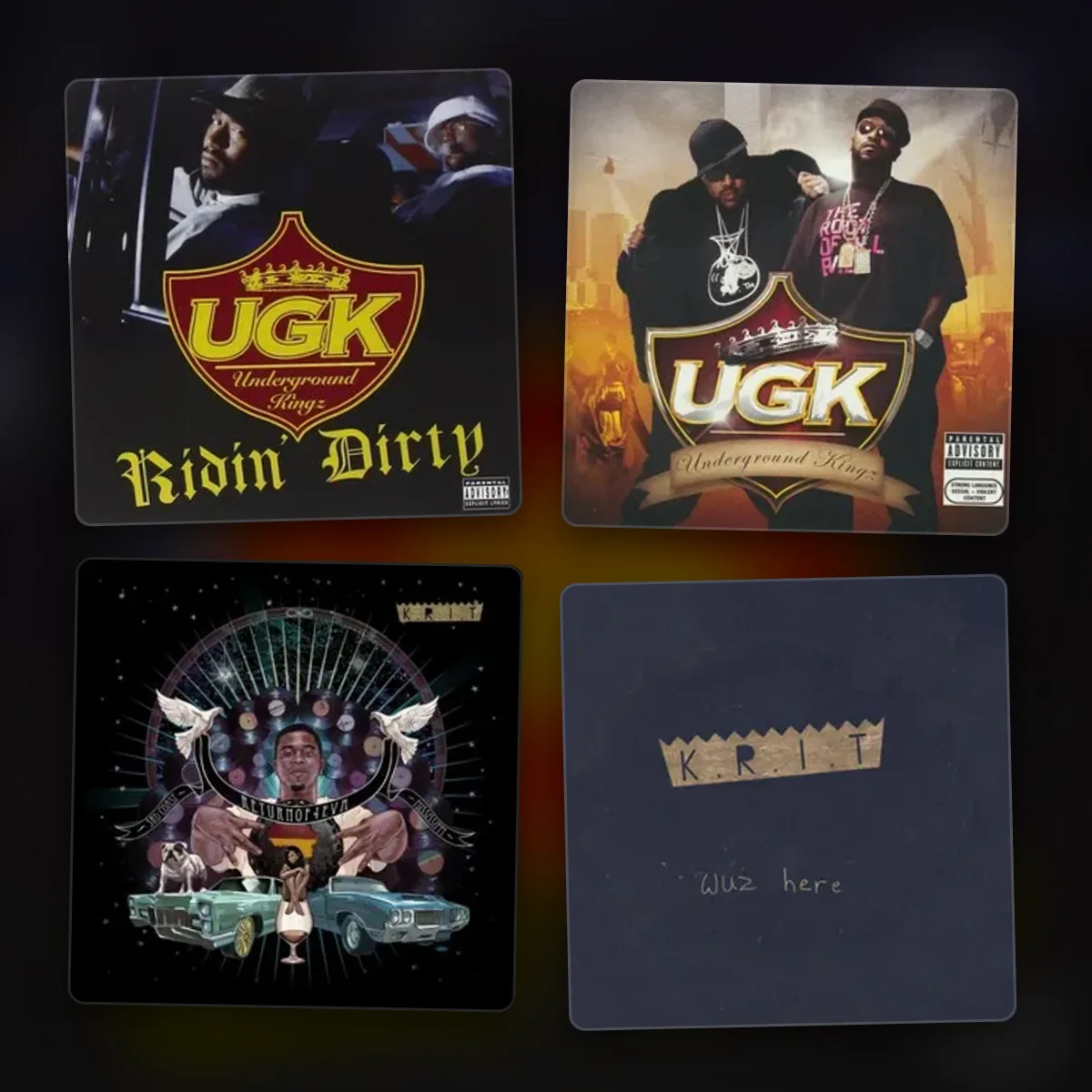
Description
Atlanta hip-hop is a varied regional movement rather than a single uniform sound. Its music ranges from electro-driven bass and soul-minded rap to club-oriented crunk and trap. Bass beats are an important part of its history, while the Roland TR-808 has been used across styles including snap, crunk, trap and pop rap.
The scene’s character lies in its mixture of regional influences and approaches: tracks can emphasize energetic dance-floor rhythms, distinctive rap delivery or a more soulful atmosphere.
Based on: Wikipedia
More on: Every Noise at Once, Wikidata
History
Early scene
Atlanta’s hip-hop scene developed in the 1980s around, among other approaches, a local version of Miami’s electro-driven bass music. Early performers included Kilo Ali, MC Shy-D and Raheem the Dream.
The Dirty South
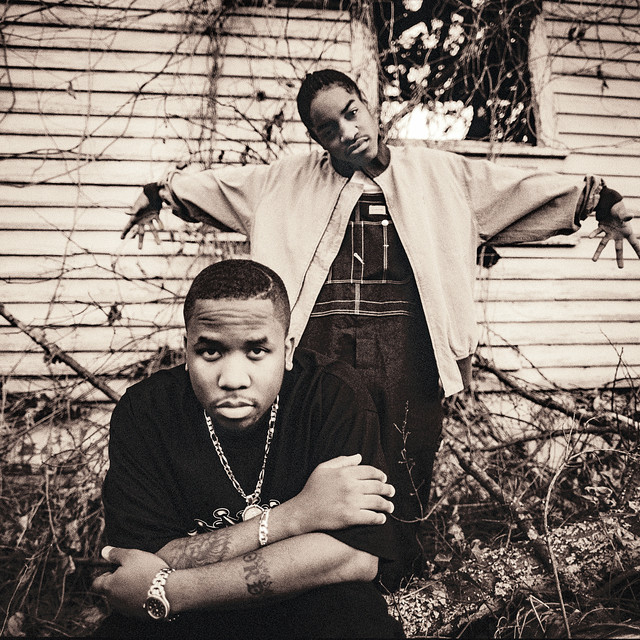
By the mid-1990s, Outkast, Goodie Mob and the production collective Organized Noize were central to the development of the Dirty South sound. Producer Rico Wade was regarded as a major architect of Atlanta hip-hop; his mother’s basement studio, known as the Dungeon, became a place where aspiring artists recorded.
Crunk and trap
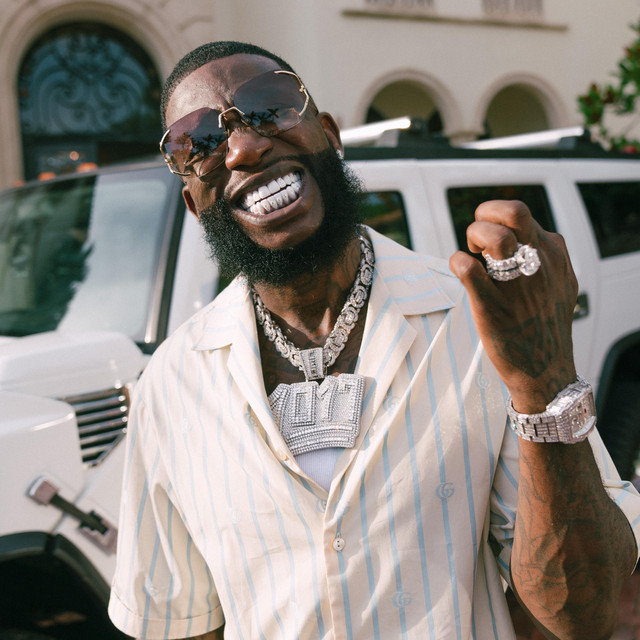
From the late 1990s into the early 2000s, producer Lil Jon helped drive crunk, an upbeat, club-oriented form of hip-hop. During the 2010s, Atlanta trap became prominent in mainstream rap, with artists including Gucci Mane, Migos and Young Thug and producers such as Metro Boomin and Zaytoven contributing to its rise.
Choose an approach
Start by deciding which part of Atlanta’s varied hip-hop tradition you want to draw on: an electro-driven bass sound, a soul-minded rap track, an upbeat crunk arrangement or a trap-oriented production. These approaches need not all appear in the same piece.
Build the rhythm
Use an 808-style drum palette as a starting point. You could build the beat around a weighty low end and a clear drum pattern, then vary the percussion to give the rapper space. For a club-oriented crunk approach, try an energetic, repetitive groove; for a bass-oriented track, let the low end carry much of the momentum.
Develop the vocal and arrangement
Write a rap part that interacts with the rhythm rather than simply sitting over it. You could use a recurring hook and contrasting verses to give the track shape. For a more soul-minded approach, experiment with melodic textures or a sung hook while keeping the beat and vocal at the center.

Best playlists
Influenced by