Genres
Artists
Albums
Make Music
Sign in
Sign in
Artists
Congolese Rumba
Artists
Congolese Rumba
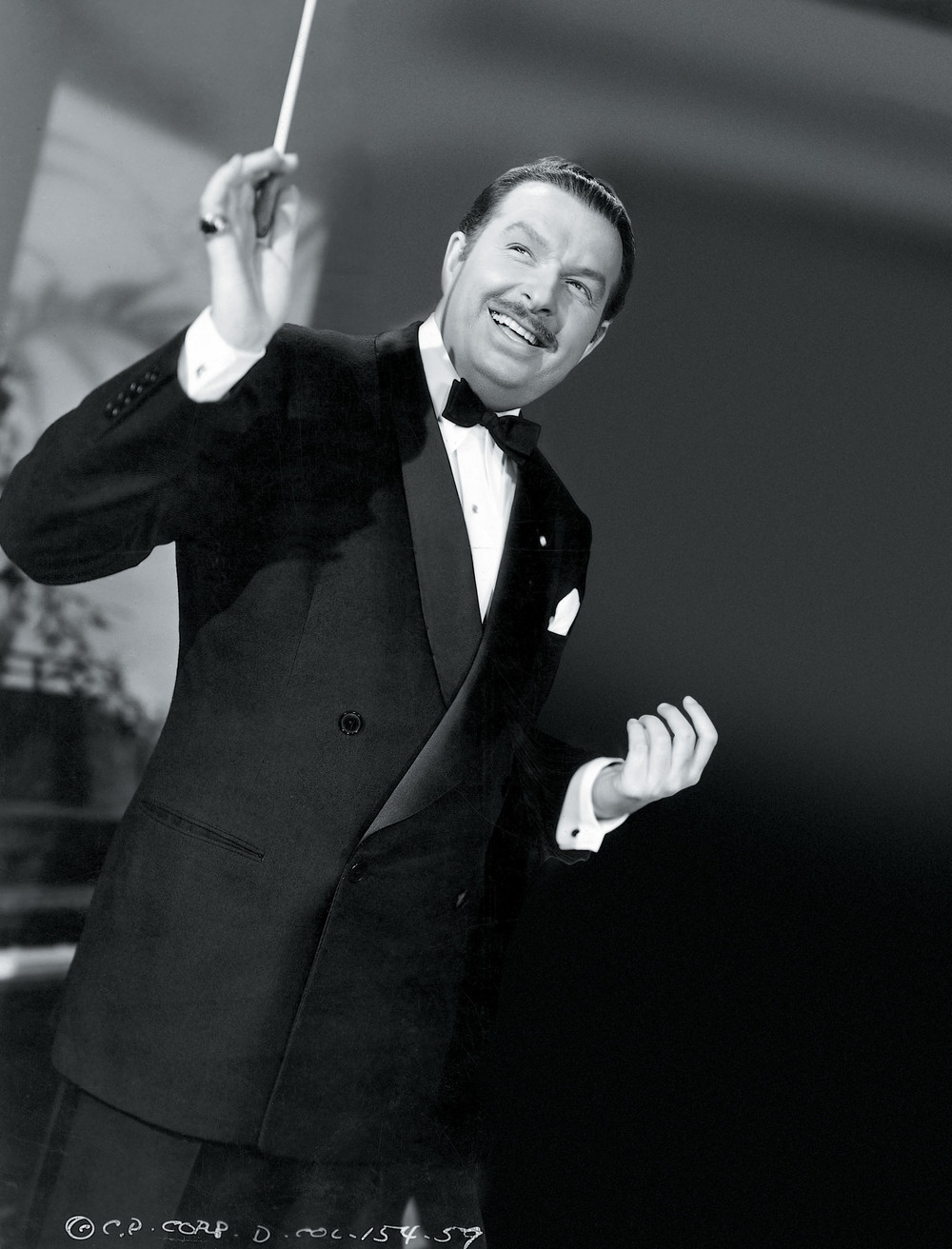
Xavier Cugat Typical Orchestra
Listen
1
/5
Genres
Exotica
Exotica is a mid‑century style of mood music that blends jazz harmony, easy‑listening orchestration, and a collage of global percussion and timbral signifiers meant to evoke imaginary tropical, Polynesian, Asian, African, and Latin locales. Characterized by vibraphone and marimba leads, lush strings, woodwinds, wordless vocals, bird calls, gongs, and abundant reverberation, it creates a cinematic “armchair travel” experience. Rather than documenting specific traditions, exotica assembles stylized sound cues—Afro‑Cuban grooves, Polynesian drum patterns, pentatonic and whole‑tone colors—into atmospheric mini‑dramas. The genre flourished alongside postwar tiki culture and hi‑fi/stereo demonstrations, prioritizing vivid spatial staging and evocative orchestration over virtuoso soloing.
Discover
Listen
Congolese Rumba
Congolese rumba (often called African rumba) is a danceable, guitar-driven popular music that emerged in Kinshasa and Brazzaville after World War II. It blends Afro‑Cuban son and bolero harmonies with Central African rhythmic sensibilities and call‑and‑response vocals. Typical recordings feature interlocking electric guitars (rhythm, mi‑solo and lead) playing lilting, cyclical figures over a steady, clave‑informed groove, buoyed by congas, maracas, cowbell, bass tumbao, and occasional horns. Songs frequently move from a lyrical, crooning verse into an extended instrumental vamp called the “sebene,” where the band raises the energy for dancers. Lyrically, Congolese rumba often uses Lingala (and sometimes French), celebrating romance, urban life, and social themes with suave vocal harmonies and a refined sense of melody.
Discover
Listen
Orchestral
Orchestral music refers to compositions written for an orchestra—a large ensemble typically built around a string section (violins, violas, cellos, double basses), complemented by woodwinds, brass, percussion, and often harp, keyboard, or other auxiliary instruments. A conductor coordinates the ensemble, shaping balance, phrasing, and expression. The style emphasizes coloristic timbre combinations, dynamic range from the softest pianissimo to explosive tuttis, and textures that can shift seamlessly between transparent chamber-like writing and monumental masses of sound. Orchestral writing underpins concert genres such as symphonies, overtures, and tone poems, as well as opera, ballet, and modern film and game scores. While orchestral writing evolved across centuries, its core craft centers on melody, counterpoint, harmony, register, and orchestration—the art of assigning musical ideas to instruments to achieve clarity, contrast, and narrative impact.
Discover
Listen
Similar artists
3
/5
Bert Kaempfert
Big Band
Easy Listening
Exotica
3
/5
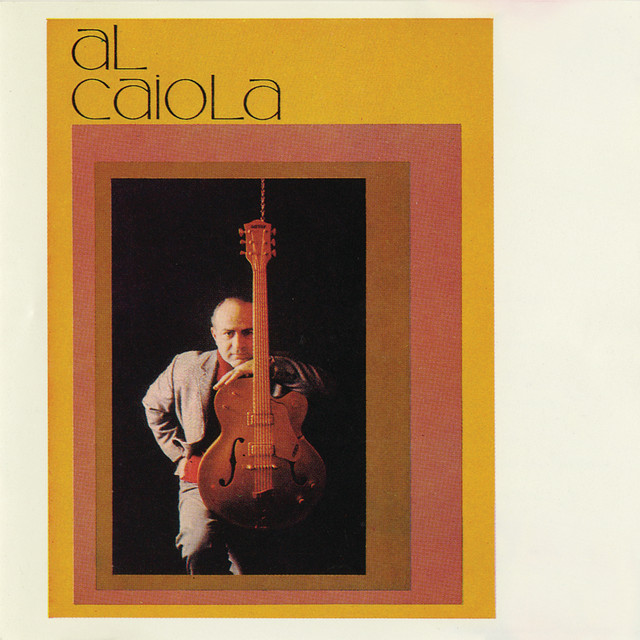
Al Caiola
Exotica
Orchestral
Spy Music
2
/5
Frank Chacksfield & His Orchestra
Light Music
Easy Listening
Exotica
2
/5
Xavier Cugat
Rumba Cubana
Rhumba
Rumba
2
/5
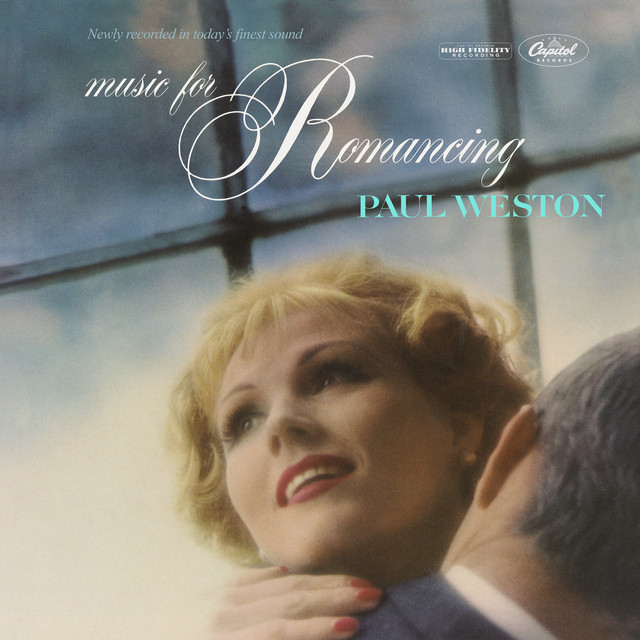
Paul Weston
Adult Standards
Big Band
Easy Listening
2
/5
Sammy
Congolese Rumba
Exotica
Finnish Pop
2
/5
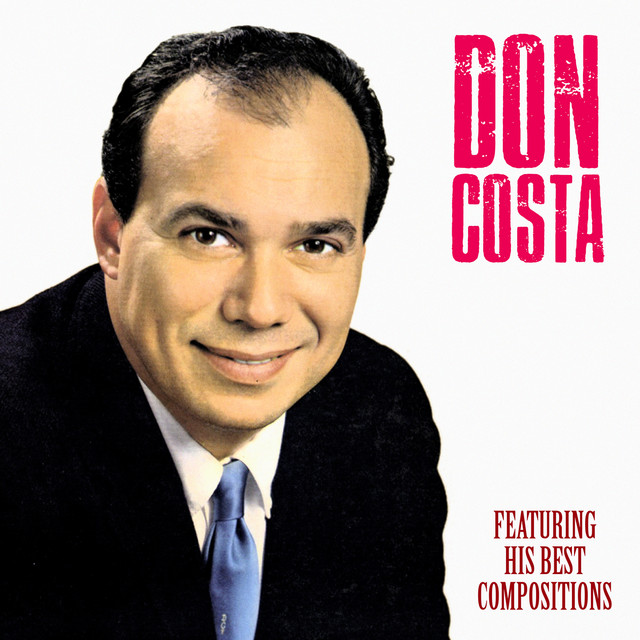
Don Costa
Exotica
Orchestral
Pov: Indie
1
/5
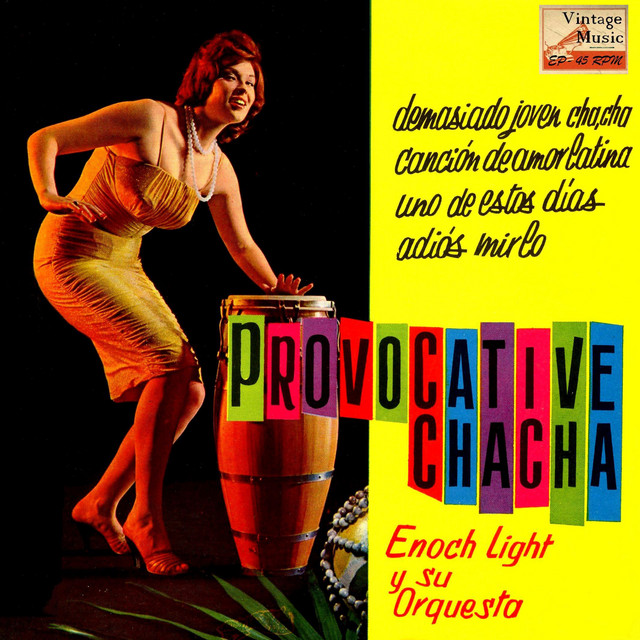
Enoch Light And His Orchestra
Big Band
Chachachá
Exotica
1
/5
Stanley Black and his Orchestra
Exotica
Orchestral
Tango
1
/5
Dolores Vargas
Congolese Rumba
Exotica
Flamenco
Download our mobile app
Get the Melodigging app and start digging for new genres on the go
Download on the App Store
Get it on Google Play
© 2026 Melodigging
Give feedback
Legal
Melodding was created as a tribute to
Every Noise at Once
, which inspired us to help curious minds keep digging into music's ever-evolving genres.