Genres
Artists
Albums
Make Music
Sign in
Sign in
Artists
Bollywood
Artists
Bollywood
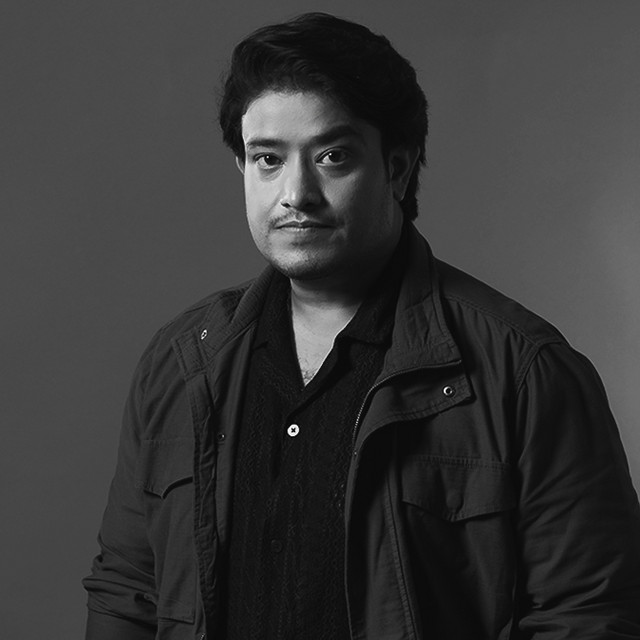
Vayu
Listen
3
/5
Genres
Hindi Indie
Hindi indie is a contemporary Indian independent music movement in which artists write and release primarily Hindi-language songs outside the traditional Bollywood film system. It blends the intimate storytelling of singer-songwriters with the textures of indie folk, alternative rock, and mellow pop, often presented with understated, DIY production. Sonically, the style favors acoustic guitars, light percussion, piano, and atmospheric synths, with warm, close-miked vocals that foreground lyrics. Thematically, Hindi indie tends toward introspective and romantic subjects, urban coming‑of‑age narratives, and everyday imagery expressed in colloquial Hindi (often seasoned with Urdu vocabulary). The result is a relatable, low-key aesthetic that contrasts with the scale and spectacle of mainstream film music.
Discover
Listen
Indian Indie
Indian indie is the umbrella for independent, non-film music made in India across languages such as Hindi, English, and numerous regional tongues. It is defined more by its DIY production and artist-led release model than by a single sound. Musically, it spans indie pop and rock, folk-fusion, singer‑songwriter ballads, dream‑pop/shoegaze textures, and electronic‑leaning productions. Artists often blend Western harmony and song forms with raga‑tinged melodies, Indian rhythmic feels, and occasional use of traditional instruments like tabla, bansuri, or sitar. The scene grew rapidly with college festivals, small venues, and digital platforms (YouTube, streaming services, Bandcamp), plus boutique labels and festivals such as NH7 Weekender that created national visibility. Lyrically, it tends to be intimate and contemporary—touching on romance, urban life, identity, and nostalgia—while maintaining accessible hooks and warm, organic sonics.
Discover
Listen
Hindi Pop
Hindi pop (often called Indipop when referring to non-film Indian pop) is Hindi-language popular music created primarily outside of Bollywood film soundtracks. It blends Western pop, dance, rock, R&B, and electronic production with Hindustani melodic sensibilities, Indian rhythmic motifs, and Hindi (often Hinglish) lyrics. The genre rose to mass popularity in the 1990s through music television and an emerging independent label ecosystem, foregrounding standalone singles and artist-driven albums. Signature features include catchy chorus hooks, glossy synth-driven arrangements, light classical ornamentation, and videos that emphasize youth culture, fashion, romance, and dance.
Discover
Listen
Desi Pop
Desi pop is a broad umbrella of South Asian popular music that blends Western pop songwriting and production with Indian, Pakistani, Bangladeshi and diasporic sensibilities. It foregrounds catchy melodies, verse–pre-chorus–chorus structures, and contemporary electronic production while borrowing vocal ornamentation, rhythms, and instruments from regional traditions (e.g., Punjabi dhol, tumbi, tabla, sitar). Lyrics commonly mix Hindi/Urdu/Punjabi (often with Hinglish), and themes range from romance and nostalgia to dancefloor celebration. The sound spans glossy dance‑pop, R&B‑tinged ballads, and bhangra‑inflected club tracks, often overlapping with Bollywood but existing independently of film.
Discover
Listen
Bollywood
Bollywood is the popular film-music tradition associated with Hindi-language cinema from Mumbai, India. It blends raga-based melodies and Hindustani vocalism with Western orchestration, jazz/big-band legacies, pop hooks, disco/funk grooves, rock energy, and contemporary electronic production. Songs are typically designed for on-screen performance and storytelling, featuring lush arrangements, memorable refrains, and emotive playback singing. A common formal scheme is the mukhda (catchy refrain) and antara (stanza/verse) structure, often with instrumental preludes, interludes, and dance breaks. Because it serves narrative and spectacle, Bollywood music ranges widely in mood—from romantic ballads and devotional pieces to high-energy dance numbers—and has continuously absorbed global influences while remaining rooted in Indian melodic and rhythmic aesthetics.
Discover
Listen
Garba
Garba is a Gujarati folk music-and-dance tradition from western India, performed in circular formations around a diya (lamp) or an image of the Goddess during Navratri and other festive occasions. The music drives communal clapping patterns and twirling steps, emphasizing collective energy, devotion, and celebration. Musically, garba typically uses lively 6-beat (dadra) or 8-beat (keherwa) cycles, repetitive call-and-response refrains, and modal melodies that sit comfortably in Hindustani-influenced scales. Traditional ensembles feature dhol, dholak, nagada, manjira (small cymbals), and harmonium; contemporary arrangements frequently add keyboards, electric bass, and drum kits, or even full pop production. While often grouped with dandiya raas at Navratri events, garba is distinct: it relies primarily on claps (not sticks), rounded motion, and devotional/romantic Gujarati lyrics that build momentum over long, dance-focused performances.
Discover
Listen
Similar artists
4
/5
Tanishk Bagchi
Bollywood
Hindi Indie
Pop Urbaine
4
/5
Amit Trivedi
Bollywood
Indian Indie
Bangla Pop
5
/5
Sachin-Jigar
Bollywood
Lo-Fi
Filmi
5
/5
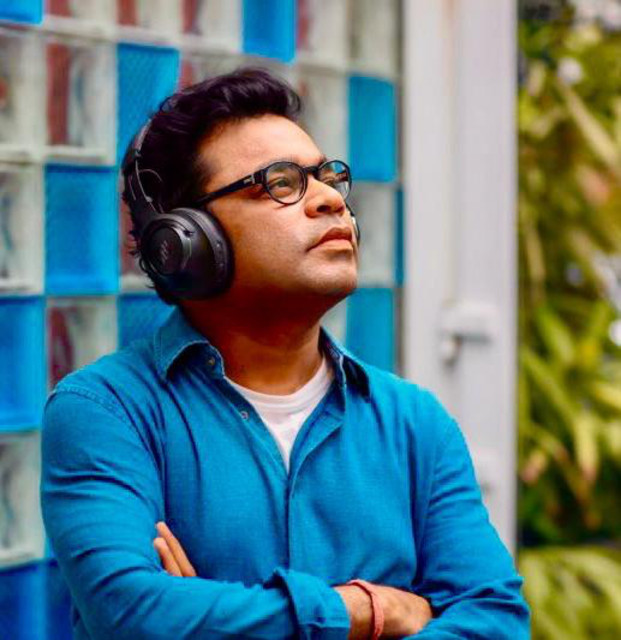
A.R. Rahman
Bollywood
Filmi
Sufi
5
/5
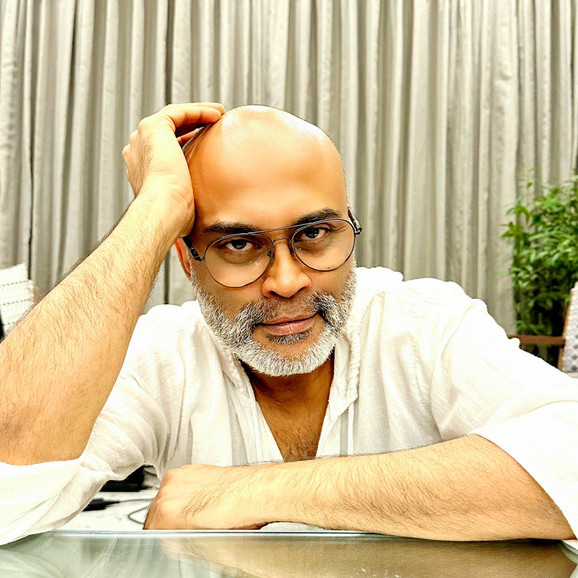
Amitabh Bhattacharya
Bollywood
Desi
Hindi Indie
5
/5
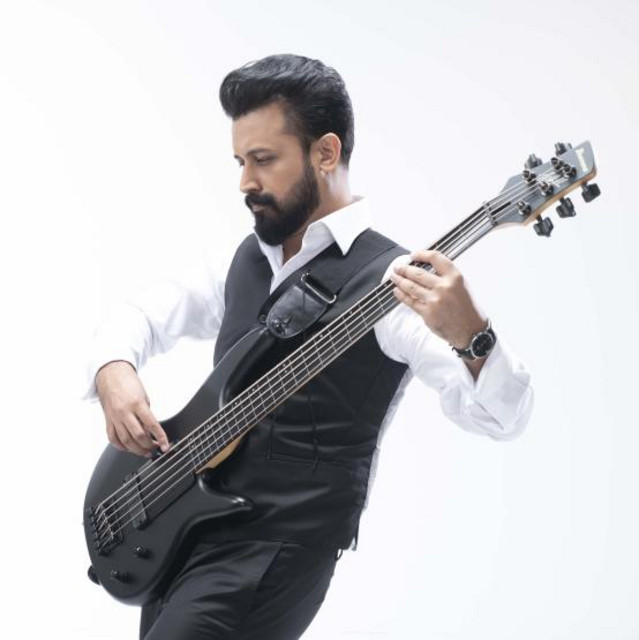
Atif Aslam
Qawwali
Sufi
Bollywood
4
/5
Neha Kakkar
Bollywood
Desi
Desi Pop
4
/5
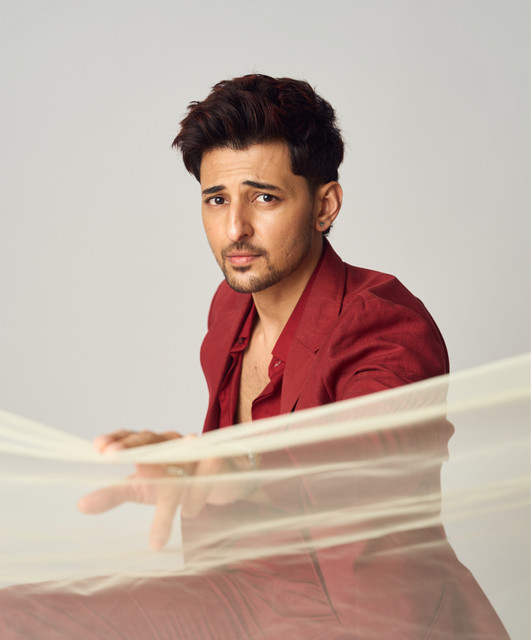
Darshan Raval
Gujarati Pop
Bollywood
Desi
4
/5
Divya Kumar
Bollywood
Desi
Garba
4
/5
Shruti Pathak
Bollywood
Desi
Garba
Download our mobile app
Get the Melodigging app and start digging for new genres on the go
Download on the App Store
Get it on Google Play
© 2026 Melodigging
Give feedback
Legal
Melodding was created as a tribute to
Every Noise at Once
, which inspired us to help curious minds keep digging into music's ever-evolving genres.