Genres
Artists
Albums
Make Music
Sign in
Sign in
Artists
Bluegrass
Artists
Bluegrass
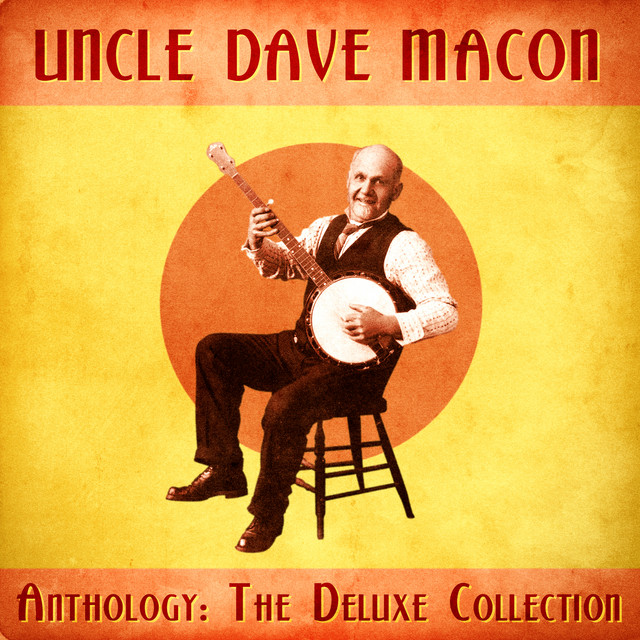
Uncle Dave Macon
Listen
2
/5
Genres
Bluegrass
Bluegrass is a style of American roots music that coalesced in the Appalachian region in the 1940s around Bill Monroe and his Blue Grass Boys. It is defined by all‑acoustic instrumentation (typically fiddle, mandolin, 5‑string banjo, guitar, and upright bass, with dobro often added), virtuosic ensemble interplay, and a distinctive “high lonesome” lead vocal timbre supported by tight three‑part harmonies. Musically, bluegrass fuses African American blues and jazz phrasing with Anglo‑Celtic ballads and dance tunes. Hallmarks include driving tempos, syncopated 3‑finger banjo rolls (popularized by Earl Scruggs), off‑beat mandolin “chop” backbeats, boom‑chuck guitar rhythm, two‑beat bass, and alternating instrumental “breaks.” Repertoires mix breakdowns and fiddle tunes with narrative ballads, gospel numbers, and contemporary songwriter material.
Discover
Listen
Traditional Country
Traditional country is a roots-oriented branch of country music that preserves the acoustic timbres, plainspoken storytelling, and danceable rhythms of early "hillbilly" and honky-tonk styles. It favors fiddles, acoustic and steel guitars, upright bass, and modest percussion, with melodies and harmonies grounded in Anglo-American folk, gospel, and blues. Songs typically revolve around everyday life—love, heartbreak, faith, work, and small-town or rural experience—delivered with an unadorned, emotive vocal style. As a practice and ethos, traditional country resists pop sheen and elaborate production, emphasizing live ensemble interplay, two-step and waltz feels, and concise verse–chorus forms. Its sound is closely associated with the Grand Ole Opry era, barn-dance radio, and mid‑century jukebox honky-tonks.
Discover
Listen
Country Blues
Country blues—also called rural blues or folk blues—is the earliest widely documented form of the blues, rooted in the everyday music-making of African Americans in the rural American South. It typically features a solo singer accompanying themselves on acoustic guitar, with flexible time, expressive vocal delivery, and abundant use of blue notes. While 12‑bar structures are common, country blues often stretches or compresses measures to fit the lyric, making phrasing elastic and conversational. Regional flavors emerged—Delta (driving, droning thumb bass and slide), Piedmont (ragtime‑inflected fingerpicking), and Texas (looser phrasing and single‑string leads)—but all share storytelling lyrics about work, travel, love, hardship, and spiritual longing.
Discover
Listen
Old-Time
Old-time is a North American string-band tradition rooted in the rural South and Appalachia, where fiddles and banjos lead dance tunes, ballads, and breakdowns. It emphasizes a steady, trance-like groove for social dancing, ensemble playing over solos, and strong melodic riffs supported by drones and rhythmic ostinati. The sound blends British Isles balladry and fiddle repertory with African American banjo technique and rhythmic sensibilities. Tunes are commonly modal (Dorian, Mixolydian, Aeolian), arranged in two repeated strains (AABB), and played for extended durations to serve square and contra dancing. Vocals, when present, are often old ballads or topical songs delivered with a plain, direct style.
Discover
Listen
Traditional Folk
Traditional folk is a broad umbrella for orally transmitted songs and dance tunes that circulated in rural and working-class communities before the age of mass recording. Repertoires include narrative ballads, laments, love songs, work songs, lullabies, and instrumental dance sets such as reels, jigs, hornpipes, and marches. Stylistically, traditional folk favors strophic forms, pentatonic or modal melodies (often Dorian and Mixolydian), limited harmonic movement, and strong, memorable tunes designed for communal singing and dancing. Performances range from unaccompanied solo voice to small ensembles built around fiddle, flute/whistle, pipes, concertina/accordion, guitar, banjo, and frame drum. Ornamentation, variation by verse, and flexible tempo are integral, reflecting an oral tradition where songs live through continual reinterpretation. Although it is pan‑regional, the modern idea of “traditional folk” coalesced in the 19th century through collectors and revivalists who documented vernacular music and framed it as cultural heritage.
Discover
Listen
Similar artists
1
/5
Various Artists
Afro-Funk
Alternative Rock
Ambient
2
/5
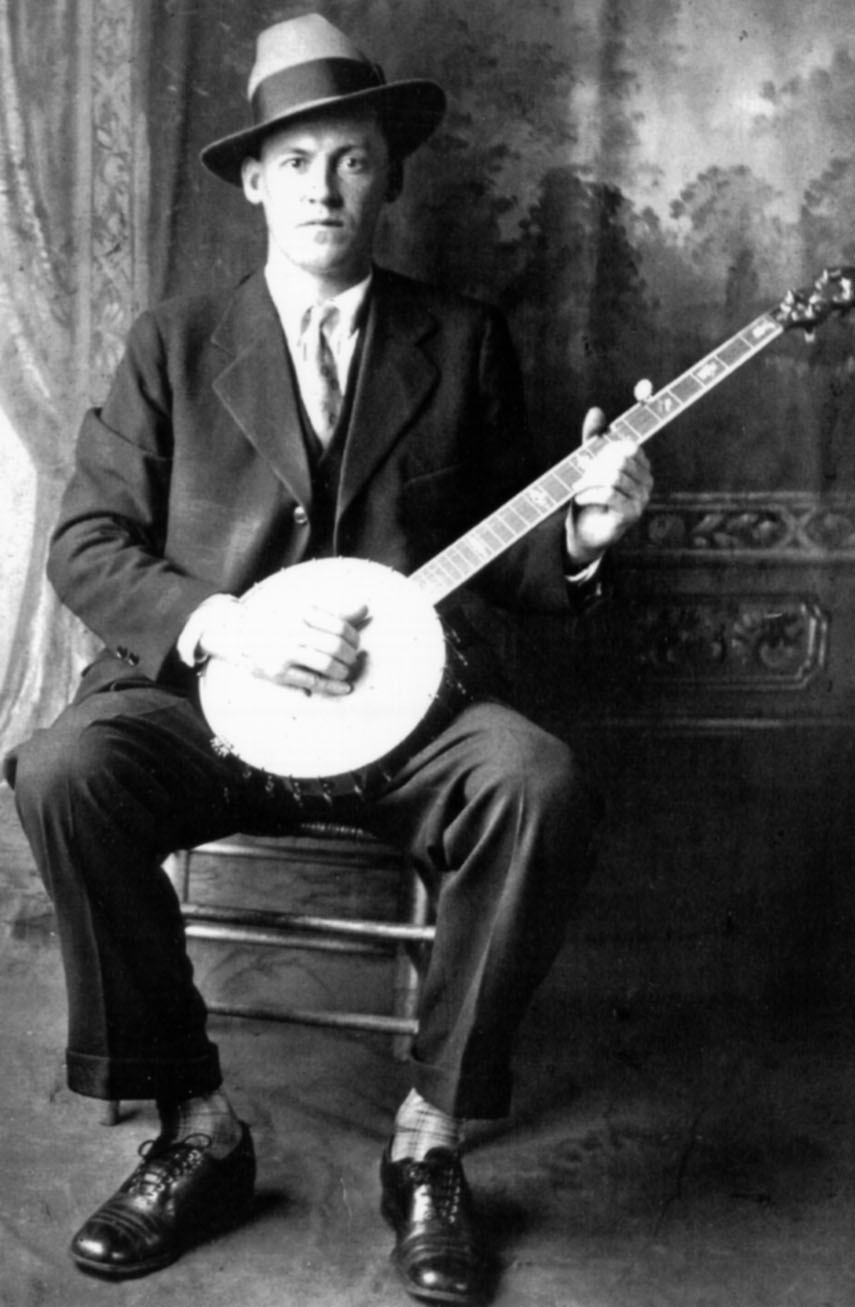
Dock Boggs
Appalachian Folk
Old-Time
Bluegrass
2
/5
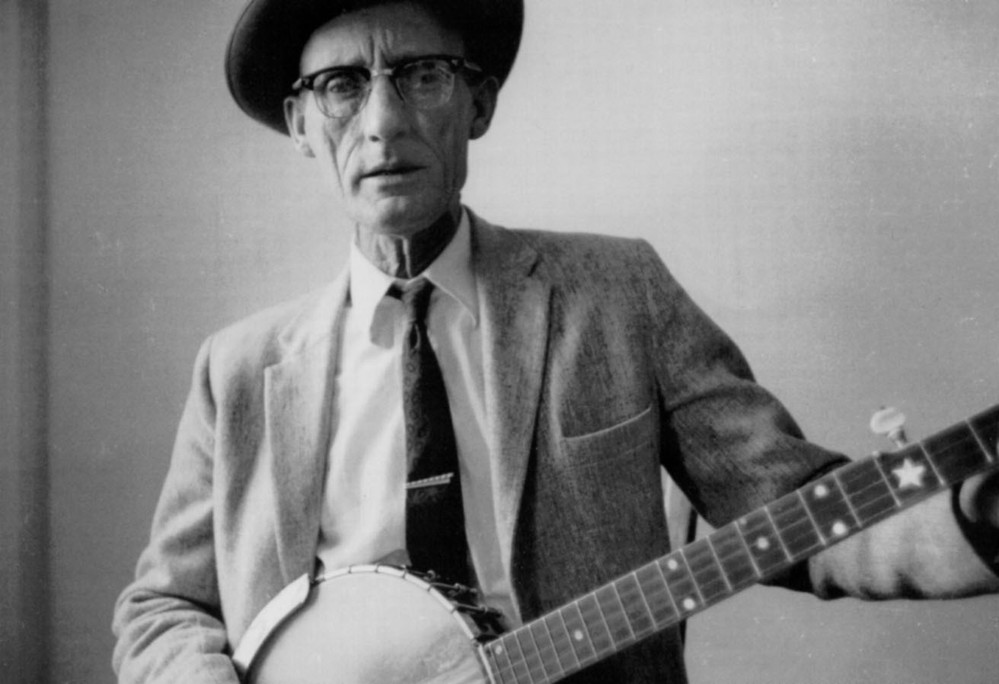
Roscoe Holcomb
Appalachian Folk
Bluegrass
Folk
2
/5
Clarence Ashley
Appalachian Folk
Bluegrass
Country Blues
1
/5
Charlie Poole
Bluegrass
Country Blues
Traditional Country
1
/5
Sam McGee
Bluegrass
Country Blues
Traditional Country
1
/5
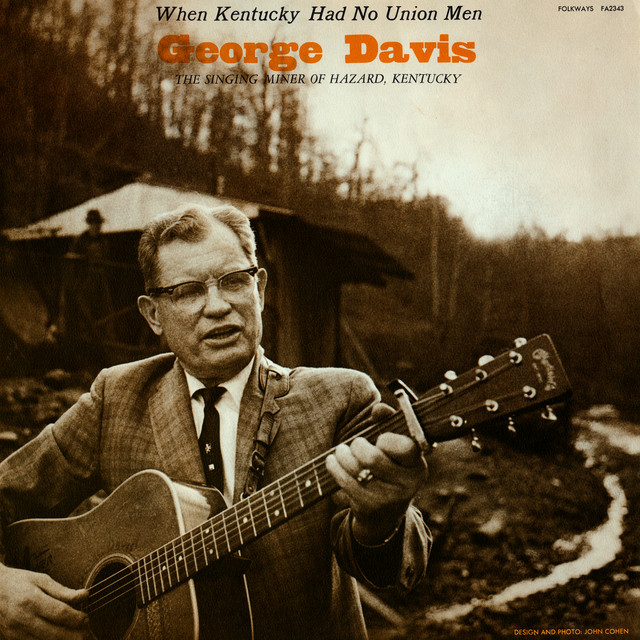
George Davis
Bluegrass
Country Blues
Traditional Country
3
/5
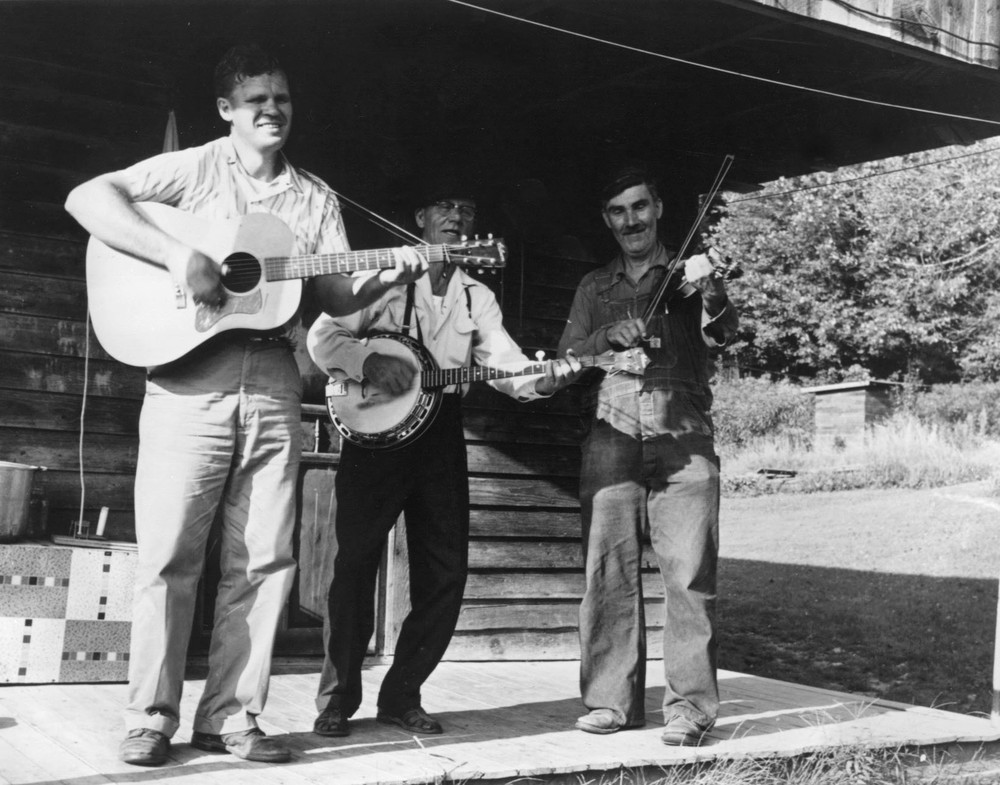
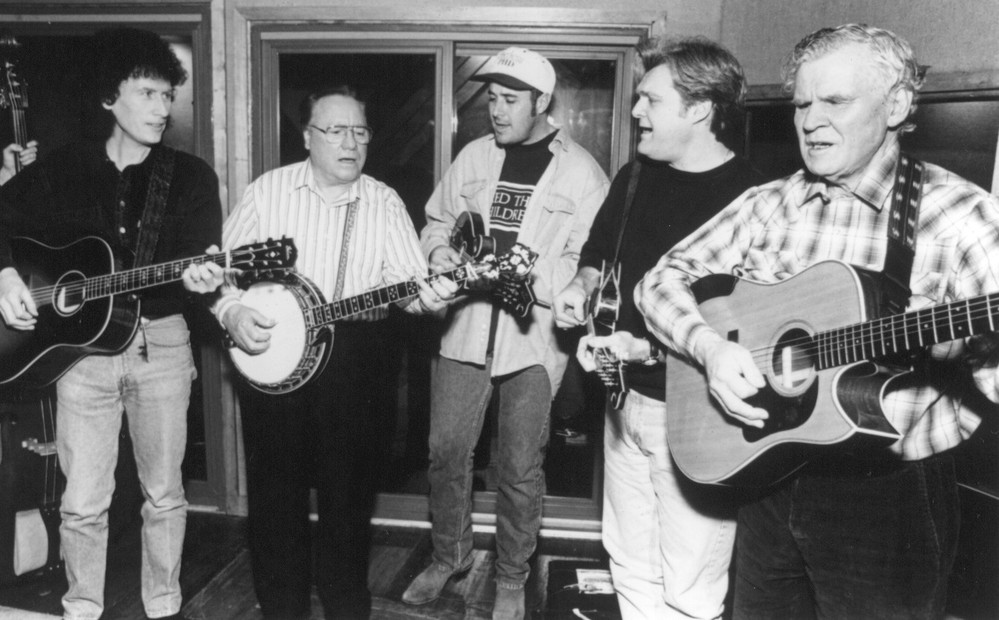
Doc Watson
Appalachian Folk
Bluegrass
Folk
1
/5
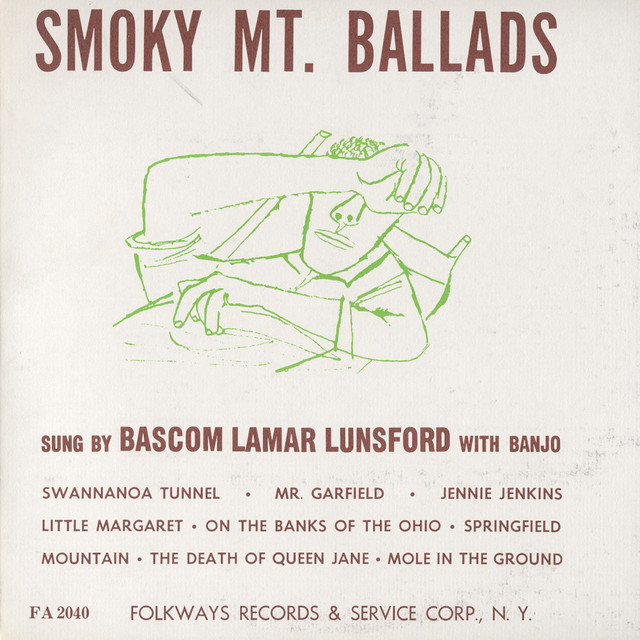
Bascom Lamar Lunsford
Appalachian Folk
Bluegrass
Christian Country
3
/5
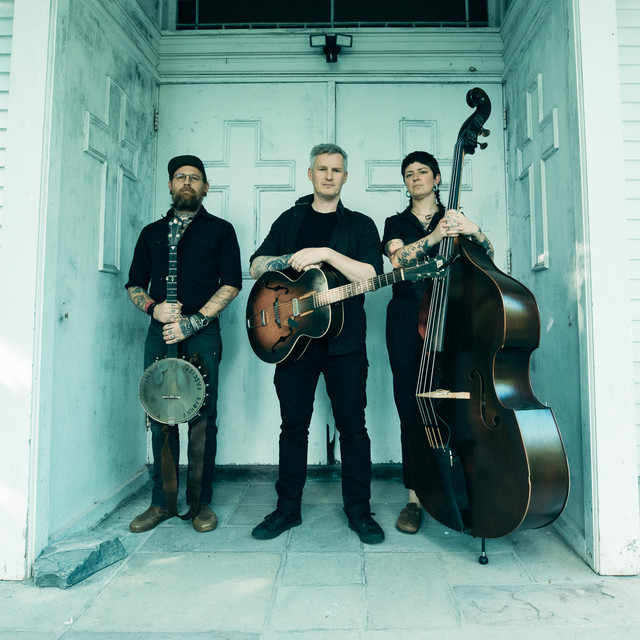
The Devil Makes Three
Bluegrass
Folk
Folk Punk
Download our mobile app
Get the Melodigging app and start digging for new genres on the go
Download on the App Store
Get it on Google Play
© 2026 Melodigging
Give feedback
Legal
Melodding was created as a tribute to
Every Noise at Once
, which inspired us to help curious minds keep digging into music's ever-evolving genres.