Genres
Artists
Albums
Make Music
Sign in
Sign in
Artists
Bassline
Artists
Bassline
TS7
2010
·
1 album
Listen
3
/5
Genres
Tearout Brostep
Tearout brostep is a hyper-aggressive strain of brostep that emphasizes violently modulated midrange basses, high-impact drops, and rapid-fire switch‑ups. It typically runs at 140–150 BPM in half‑time, pairing chest‑punching snares with seismic subs and screeching or growling lead basses. Producers lean heavily on advanced wavetable/FMX sound design, serial resampling, multiband distortion, OTT-style compression, and tight sidechaining to create a wall of kinetic, metallic energy. Arrangements often feature cinematic intros, tension‑building risers, and whiplash-inducing call‑and‑response bass phrases designed for headbanging festival crowds.
Discover
Listen
Ukg Revival
UKG revival refers to the modern resurgence of UK garage (UKG) aesthetics after the style’s early‑2000s decline. It recasts classic 2‑step swing, rubbery sub‑bass, chopped R&B vocals, and organ/piano stabs with contemporary production, club formats, and pop sensibilities. Typical tracks sit around 128–135 BPM, with syncopated, skippy drum programming and swung hi‑hats, soulful chord colors, and prominent, rolling basslines. The revival often blends speed‑garage grit, bassline energy, and house polish, while borrowing contemporary topline writing and social‑media‑driven hooks for wider crossover appeal. Culturally, the movement connects today’s audiences to late‑’90s/early‑’00s UKG heritage (pirate radio, MC culture, and champagne‑garage euphoria) through fresh artists, labels, and events that foreground inclusivity, DIY distribution, and festival‑ready anthems.
Discover
Listen
Bass House
Bass house is a strain of house music that pairs a four-on-the-floor groove with aggressive, highly designed basslines drawn from UK bass, bassline, and electro house. It typically runs around 124–130 BPM, emphasizing tight drum programming, swung garage-influenced shuffles, and drops centered on modulated mid-bass riffs and weighty subs. Producers favor gritty synth timbres, call-and-response bass phrases, minimal vocals (often chopped one-shots or rap ad-libs), and DJ-friendly intros/outros. The result is club-focused, high-impact music that bridges UK underground sensibilities with North American festival energy.
Discover
Listen
Uk Jackin
UK jackin is a bass-forward strain of house and UK garage that emerged in the UK during the early 2010s. It blends the swing and shuffle of garage with the chunky, percussive drive of house, emphasizing rubbery low‑end riffs, organ stabs, and chopped R&B or soul vocals. Compared with classic Chicago jackin’ house, the UK variant is darker and punchier, drawing heavily from bassline and UK bass aesthetics. Tracks typically sit around 124–130 BPM, use swung drums and syncopated bass patterns, and are arranged with DJ‑friendly intros, tension‑building breakdowns, and emphatic drops.
Discover
Listen
Halftime Dnb
Halftime DnB is a bass-focused offshoot of drum and bass that retains DnB’s tempo (typically 170–174 BPM) but places the drums in a half-time grid, creating the feel of 85–87 BPM. The result is a spacious, head‑nod swing that blends the sound design intensity of DnB with the groove logic of hip hop and trap. Producers emphasize heavyweight sub lines, neuro-influenced bass design, and skeletal, syncopated drum patterns (kicks and 808s up front, snares landing hard on beat three). Texture and negative space are integral, with percussion details, foley, and minimal melodic fragments carrying the narrative. The style sits naturally between club systems and headphone listening, often occupying the same ecosystems as UK bass, the autonomic/leftfield DnB continuum, and the LA beat scene.
Discover
Listen
Ratchet Music
Ratchet music is a minimalist, club-focused strain of West Coast hip hop that coalesced in the early 2010s, most closely associated with Los Angeles producer DJ Mustard. It emphasizes sparse drum programming built from 808 kicks, handclaps, crisp hi‑hats, and simple percussive fills; bouncy tempos around 95–105 BPM; short, catchy synth or piano stabs; and a weighty sub‑bass that leaves ample space for vocals. Culturally and lyrically, it channels “ratchet” party culture and slang—rooted in Louisiana (notably Shreveport’s nickname “Ratchet City”) and amplified by the L.A. party scene—favoring braggadocio, nightlife, flirtation, and chant‑able hooks over dense lyricism. The result is a stripped‑down, hook‑driven sound engineered for dance floors and radio rotation.
Discover
Listen
Hard Drum
Hard drum is a UK-born strain of percussive club music that foregrounds heavy, syncopated drums, sharp transients, and minimal melodic content. Tracks often function as DJ tools: skeletal, high-impact, and designed to generate momentum and tension on the dancefloor. Drawing on UK funky’s swing, grime’s sound-design bite, and Afro-diasporic rhythms (kuduro, batida, gqom), hard drum emphasizes tuned toms, metallic hits, hand percussion, and sub-weighted kicks over sustained chords or vocal leads. The result is a stark, propulsive style that prizes polyrhythms, negative space, and sudden drops as its main dramatic devices.
Discover
Listen
Neurostep
Neurostep is a hybrid subgenre that merges the sound‑design intensity of neurofunk drum & bass with the halftime groove and weight of dubstep. Typically sitting around 140 BPM (sometimes 150), it emphasizes intricate, constantly morphing bass timbres, razor‑edged transients, and tightly engineered drops. Compared to classic dubstep, neurostep is less about sparse wobble basses and more about complex, resampled, FM/phase‑modulated bass layers that evolve bar by bar. The drums are punchy and surgical—kicks carve through dense low‑end, snares land hard on the third beat, and ghosted percussion and glitch fills keep momentum between phrases. Its overall aesthetic is dark, technical, and cinematic: dystopian atmospheres, granular textures, and call‑and‑response bass motifs are common, while breakdowns often showcase sound‑design detail and tension before a precision‑engineered drop.
Discover
Listen
Speed House
Speed house is a high-tempo offshoot of house that accelerates the genre’s usual groove into the 140–155 BPM range while retaining a four-on-the-floor pulse. It fuses the punchy low-end and switch-up drops of bass house with the streamlined structure of tech house, often adding rave-style stabs, fidgety fills, and chopped vocal hooks. Sound design tends to emphasize aggressive, saturated basslines, crisp drum transients, and snappy turnarounds, creating a festival-ready, high-energy feel that still reads as house rather than hard dance. The style became widely identified through the Speed House Movement community and releases, spreading across North America and Europe via DJ edits, label samplers, and social media-driven virality.
Discover
Listen
Bassline
Bassline (often called bassline house or Niche) is a UK-born, high-energy offshoot of UK garage built around a driving 4x4 kick pattern and huge, modulated sub-bass riffs. Typically sitting around 135–140 BPM, tracks use swung garage percussion, choppy R&B or pop vocal cuts, and bright organ or synth stabs, all arranged for rapid-fire, DJ-friendly drops. The signature is the wobbling, LFO-driven bassline that converses with the drums in tightly looped 8- or 16-bar phrases. Culturally, the style is rooted in northern England club culture (notably Sheffield’s Niche), with MC-led sets, quick blends, and a focus on dancefloor tension-and-release.
Discover
Listen
Drum And Bass
Drum and bass (DnB) is a fast, rhythmically intricate form of electronic dance music centered on breakbeats at roughly 160–180 BPM and powerful, sub‑heavy basslines. It grew out of the UK’s early ’90s rave and jungle scenes, combining chopped funk breaks (most famously the Amen break), dub and reggae sound‑system aesthetics, hip‑hop sampling, and techno’s futurist sound design. Across its many substyles—liquid funk’s soulful harmonies, techstep and neurofunk’s cold, machine‑like bass engineering, jump‑up’s hooky bass riffs, atmospheric DnB’s pads and space—drum and bass remains a DJ‑oriented, dancefloor‑driven genre that prizes tight drum programming, deep low end, and precise arrangement for mixing.
Discover
Listen
Uk Garage
UK garage is a British evolution of US garage/house that emerged in the mid-to-late 1990s around London’s pirate radio, record shops, and clubs. It is characterized by shuffling, syncopated rhythms, swung hi‑hats, crisp snares, and a pronounced sense of groove at roughly 130–138 BPM. The style blends house’s soulful chords and R&B vocals with jungle/drum & bass sound-system bass weight, often featuring chopped and time‑stretched vocal samples, organ/piano stabs, and warm Rhodes textures. Two major strands formed: 4x4 (straight four-on-the-floor with heavy swing) and 2‑step (broken kick patterns that avoid a constant four-on-the-floor). MC toasting and call‑and‑response vocals became a signature of the scene. Substyles include speed garage (darker, bass‑heavier, often with wobbly LFO bass) and 2‑step (sparser, more syncopated drums). UK garage’s club‑ready energy and vocal sensibility propelled it into the mainstream and laid the groundwork for grime, dubstep, bassline, and UK funky.
Discover
Listen
Show all 12 genres
Albums
2010
2
/5
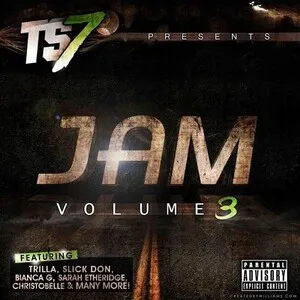
TS7 Presents Jam Volume 3
TS7
Bassline
Similar artists
4
/5
NOTION
Bassline
Drum And Bass
Bass House
3
/5
Ragga Twins
Ragga
Britcore
Bassline
3
/5
Disrupta
Bassline
Drum And Bass
Jungle
3
/5
Flava D
Bassline
Uk Funky
Uk Garage
3
/5
Scrufizzer
Afro Drill
Bassline
Cinematic Dubstep
3
/5
Taiki Nulight
Uk Garage
Bass House
Uk Jackin
3
/5
Riko Dan
Bassline
Drum And Bass
Gaming Edm
3
/5
Window Kid
Bassline
Drum And Bass
Grime
3
/5
DJ Zinc
Jump Up
Bassline
Drum And Bass
3
/5
Local
Bassline
Drum And Bass
Nyc Pop
Download our mobile app
Get the Melodigging app and start digging for new genres on the go
Download on the App Store
Get it on Google Play
© 2026 Melodigging
Give feedback
Legal
Melodding was created as a tribute to
Every Noise at Once
, which inspired us to help curious minds keep digging into music's ever-evolving genres.