Genres
Artists
Albums
Make Music
Sign in
Sign in
Artists
Bolero
Artists
Bolero
Trio Los Panchos
2010
·
3 albums
Listen
2
/5
Genres
Mexican Folk Music
Mexican folk music is a broad family of regional styles that fuse Indigenous, Spanish, and African diasporic elements into song forms meant for dance, celebration, storytelling, and community ritual. Across Mexico’s regions, “sones” (e.g., son jarocho, son huasteco, son calentano) feature strummed small guitars, violins, harps, and percussive zapateado dance on wooden platforms. Northern traditions absorbed 19th‑century European partner dances (polka, waltz, mazurka, schottische), while central‑western ensembles developed the mariachi sound with vihuela and guitarrón (later trumpets). Narrative corridos chronicle heroes, history, and everyday life. Typical rhythmic feel often centers on sesquiáltera (hemiola) interplay between 6/8 and 3/4, bright strumming patterns, call‑and‑response singing, and copla or décima poetic forms. Melodies are largely diatonic, frequently ornamented, and supported by parallel thirds and sixths on strings or violins.
Discover
Listen
Bolero
Bolero is both a Spanish dance-music form from the late 18th century and, later, a Cuban song style from the late 19th century. The Spanish bolero emerged as a moderately slow solo or partner dance in 3/4 time, shaped by Andalusian song-dance traditions. It typically features guitar accompaniment and castanets, and its sung texts often follow the seguidilla stanza pattern. In Cuba, bolero evolved into a romantic ballad—most often in 2/4 (later also felt in 4/4)—performed by singers, trios, and salon ensembles. Cuban bolero emphasizes intimate, lyrical melodies, guitar-led accompaniment (often with requinto), and gentle Afro-Caribbean rhythmic undercurrents (habanera feel, soft bongo, claves), becoming one of Latin America’s quintessential love-song forms.
Discover
Listen
Mariachi
Mariachi is a traditional Mexican ensemble and performance practice that crystallized in western Mexico (especially Jalisco, Colima, Nayarit, and Michoacán) and later became a national and international emblem of Mexican music. Modern mariachi bands typically feature multiple violins, two trumpets, and a rhythm section anchored by the high‑pitched, five‑string vihuela and the deep, fretless guitarrón, often alongside a standard guitar and, in some historic or regional variants, the Mexican harp. The sound balances bright, projecting trumpets and soaring violins over rich strummed textures and a powerful, melodic bass line. Repertoire spans regional sones (including son jalisciense), huapangos, rancheras, corridos, boleros, waltzes, and polkas. Vocal delivery is central: most players sing in stacked harmonies, trade lead verses, and punctuate performances with expressive gritos (exclamations). Costuming (charro suits) and stylized stagecraft are integral to the genre’s identity.
Discover
Listen
Albums
2010
1
/5
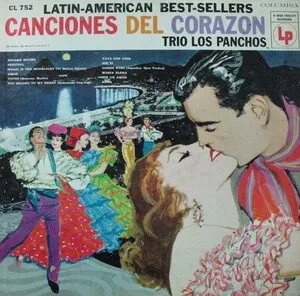
Canciones del corazon
Trío Los Panchos
Bolero
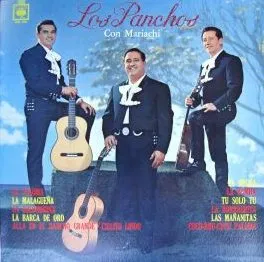
Los Panchos con Mariachi
Trío Los Panchos
Mariachi
Los Panchos con Mariachi
Trío Los Panchos
Mexican Folk Music
Similar artists
5
/5
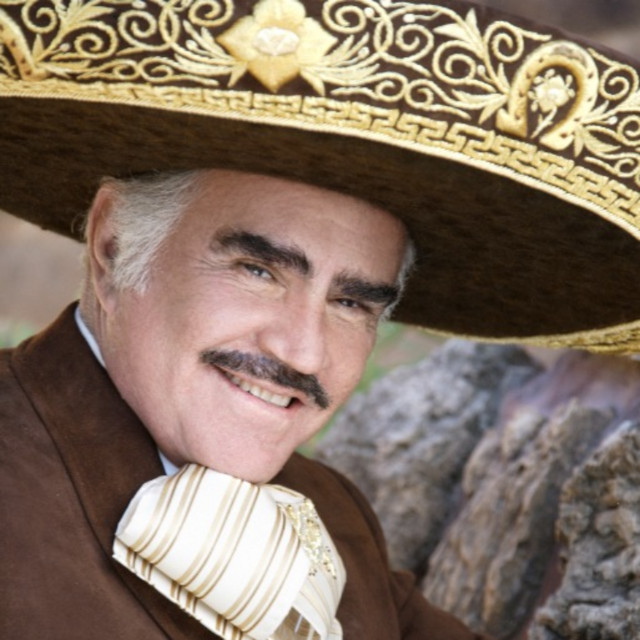
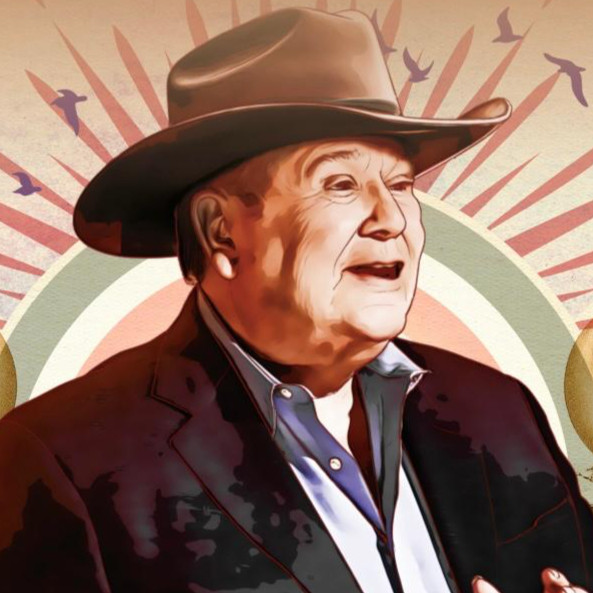
Vicente Fernández
Bolero
Mariachi
Ranchera
4
/5
Natalia Lafourcade
Bolero
Latin Folk
Latin
5
/5
Luis Miguel
Bolero
Latin Pop
Mariachi
5
/5
Juan Gabriel
Bolero
Mariachi
Canción Melódica
4
/5
Antonio Aguilar
Corrido
Mariachi
Bolero
4
/5
Rocío Dúrcal
Canción Melódica
Mariachi
Bolero
4
/5
Leo Dan
Canción Melódica
Bolero
Mariachi
4
/5
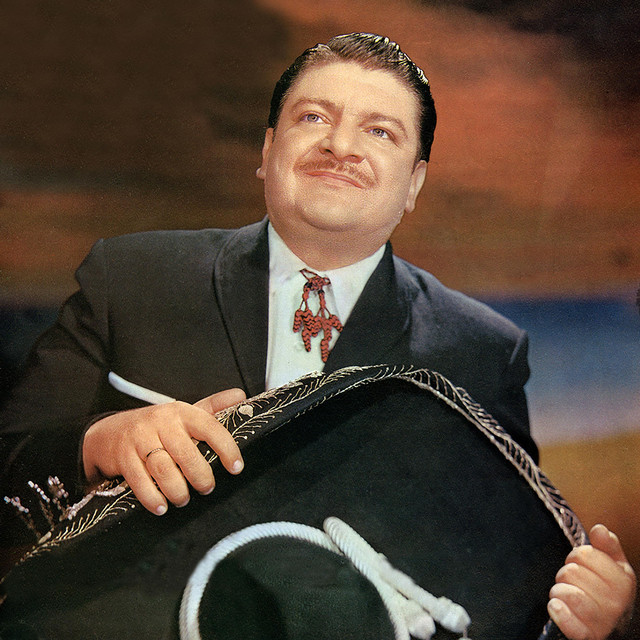
José Alfredo Jimenez
Mariachi
Ranchera
Bolero
4
/5
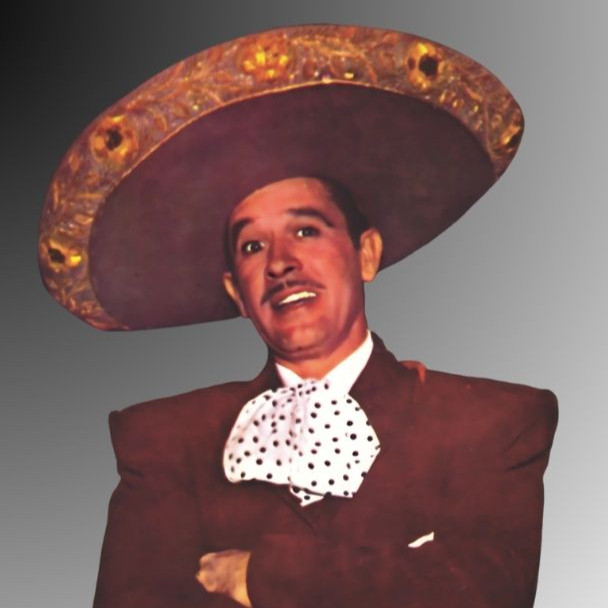
Pedro Infante
Mariachi
Bolero
Ranchera
4
/5
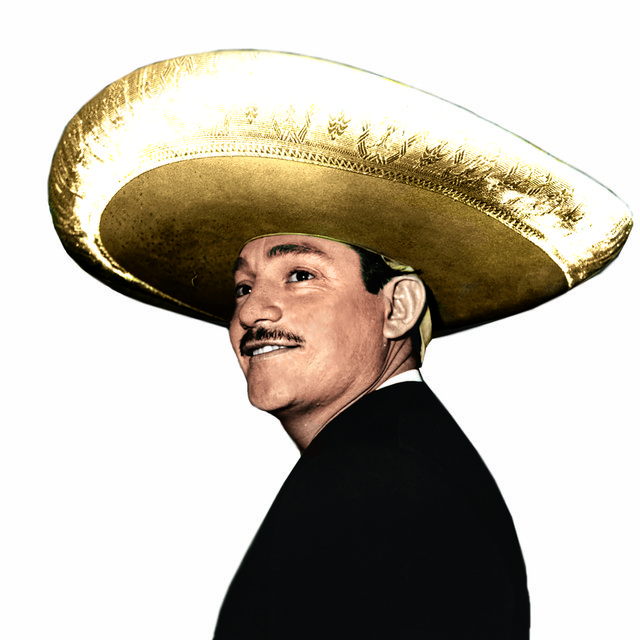
Javier Solís
Mariachi
Ranchera
Bolero
Download our mobile app
Get the Melodigging app and start digging for new genres on the go
Download on the App Store
Get it on Google Play
© 2026 Melodigging
Give feedback
Legal
Melodding was created as a tribute to
Every Noise at Once
, which inspired us to help curious minds keep digging into music's ever-evolving genres.