Genres
Artists
Albums
Make Music
Sign in
Sign in
Artists
Alternative Rock
Artists
Alternative Rock
Tonic
1996–2016
·
5 albums
Listen
3
/5
Genres
Grunge Revival
Grunge revival is a 21st‑century return to the gritty guitar tones, loud‑quiet‑loud dynamics, and confessional angst of late‑1980s/1990s grunge, reinterpreted by younger bands raised on streaming and DIY scenes. Where classic grunge fused punk urgency with Sabbath‑weight riffing and alternative rock hooks, grunge revival keeps the fuzzy, drop‑tuned power‑chord churn, slack‑jawed melodicism, and cathartic screams, but updates production (clearer lows, tighter drums) and broadens the palette with indie rock, shoegaze, and noise‑rock textures. Lyrics commonly tackle alienation, anxiety, small‑town ennui, and digital‑age overload, often through vivid everyday imagery. The result is music that feels both nostalgic and current: hooky but heavy, raw yet crafted, and emotionally direct.
Discover
Listen
Post-Grunge
Post-grunge is a radio-friendly evolution of grunge that retains distorted guitars and introspective themes while streamlining song structures, smoothing rough edges, and emphasizing big, anthemic choruses. It shifts the raw abrasion and anti-commercial stance of early-1990s grunge toward a more polished, hook-driven sound suited to mainstream rock and adult-alternative formats. The style typically features mid-tempo grooves, muscular yet clean production, vowel-forward baritone or tenor vocals, and lyrics that universalize angst, resilience, and everyday struggle. Where grunge leaned noisy and cathartic, post-grunge prioritizes clarity, melody, and arena-scale dynamics.
Discover
Listen
Alternative Rock
Alternative rock is a broad umbrella for guitar-based rock that emerged from the independent and college-radio scenes as a counterpoint to mainstream, commercial rock. It blends the energy and ethos of punk with the textural and songwriting experiments of post-punk, new wave, jangle pop, and noise rock, often foregrounding introspective or socially aware lyrics. Across its many strains—from the melodic minimalism of college rock to the loud-quiet-loud dynamics of grunge and the artful experimentation of Radiohead-era modernism—alternative rock prioritizes authenticity, sonic individuality, and a do-it-yourself approach. Its sound ranges from chiming, chorus-laden clean guitars to abrasive distortion and feedback, supported by straightforward rock rhythms or off-kilter grooves, and production that can be either raw and live-sounding or polished yet unconventional.
Discover
Listen
Alternative
Alternative is an umbrella term for non-mainstream popular music that grew out of independent and college-radio scenes. It emphasizes artistic autonomy, eclectic influences, and a willingness to subvert commercial formulas. Sonically, alternative often blends the raw immediacy of punk with the mood and texture of post-punk and new wave, adding elements from folk, noise, garage, and experimental rock. While guitars, bass, and drums are typical, production ranges from lo-fi to stadium-ready, and lyrics tend toward introspection, social critique, or surreal storytelling. Over time, “alternative” became both a cultural stance and a market category, spawning numerous substyles (alternative rock, alternative hip hop, alternative pop, etc.) and moving from underground circuits to mainstream prominence in the 1990s.
Discover
Listen
Folk Rock
Folk rock is a fusion genre that blends the narrative lyricism, modal melodies, and acoustic timbres of traditional folk with the backbeat, amplification, and song structures of rock. It typically pairs acoustic or traditional instruments (acoustic guitar, mandolin, fiddle) with a rock rhythm section (electric guitar, bass, drums), often featuring chiming 12‑string guitar textures, close vocal harmonies, and socially conscious or storytelling lyrics. The result ranges from intimate, reflective ballads with a steady backbeat to more anthemic, roots‑driven rock. Emerging in the mid‑1960s through artists such as Bob Dylan and The Byrds, folk rock became a gateway for traditional and roots materials to enter mainstream popular music, and it seeded later movements from country rock and Americana to jangle pop and modern indie folk.
Discover
Listen
Pop Rock
Pop rock blends the hook-focused immediacy of pop with the instrumentation and drive of rock. It prioritizes catchy melodies, concise song structures, and polished production while retaining guitars, bass, and drums as core elements. Typical pop rock tracks use verse–pre-chorus–chorus forms, strong vocal harmonies, and memorable riffs. The sound ranges from jangly and bright to mildly overdriven and arena-ready, aiming for radio-friendly appeal without abandoning rock’s rhythmic punch.
Discover
Listen
Roots Rock
Roots rock is a back-to-basics strain of rock music that reconnects the electric band format with its foundational American roots in blues, country, folk, rhythm & blues, and early rock and roll. It favors sturdy songcraft, earthy timbres, and groove over studio gloss—think twangy or gritty guitars, Hammond organ or piano, a steady backbeat, and plainspoken, story-driven lyrics. The style often carries a "live-in-the-room" feel, medium tempos, and blues-based progressions, evoking bar bands, roadhouses, and rural imagery. Rather than chasing cutting-edge production or virtuosic excess, roots rock emphasizes feel, narrative, and tradition—bridging the immediacy of rock with the storytelling of folk and country and the emotional bite of the blues.
Discover
Listen
Rock
Rock is a broad family of popular music centered on amplified instruments, a strong backbeat, and song forms that foreground riffs, choruses, and anthemic hooks. Emerging from mid‑20th‑century American styles like rhythm & blues, country, and gospel-inflected rock and roll, rock quickly expanded in scope—absorbing folk, blues, and psychedelic ideas—while shaping global youth culture. Core sonic markers include electric guitar (often overdriven), electric bass, drum kit emphasizing beats 2 and 4, and emotive lead vocals. Rock songs commonly use verse–chorus structures, blues-derived harmony, and memorable melodic motifs, ranging from intimate ballads to high‑energy, stadium‑sized performances.
Discover
Listen
Pop
Pop is a broad, hook-driven style of popular music designed for wide appeal. It emphasizes memorable melodies, concise song structures, polished vocals, and production intended for radio, charts, and mass media. While pop continually absorbs elements from other styles, its core remains singable choruses, accessible harmonies, and rhythmic clarity. Typical forms include verse–pre-chorus–chorus, frequent use of bridges and middle-eights, and ear-catching intros and outros. Pop is not defined by a single instrumentation. It flexibly incorporates acoustic and electric instruments, drum machines, synthesizers, and increasingly digital production techniques, always in service of the song and the hook.
Discover
Listen
Show all 9 genres
Albums
2016
Lemon Parade Revisited
Tonic
Alternative Rock
Folk Rock
Rock
2010
Tonic
Tonic
Rock
2002
Head on Straight
Tonic
Alternative Rock
Post-Grunge
Rock
1999
Sugar
Tonic
Alternative
Alternative Rock
Pop Rock
1996
Lemon Parade
Tonic
Alternative Rock
Pop
Rock
Similar artists
Hide discovered
1
/5
Various Artists
Soundtrack
Afro-Funk
Alternative Rock
4
/5
Beck
Alternative Rock
Anti-Folk
Rock
4
/5
Everclear
Alternative Rock
Rock
Post-Grunge
4
/5
David Gray
Rock
Alternative Rock
Alternative
4
/5
Chumbawamba
Anarcho-Punk
Alternative
Alternative Rock
4
/5
Counting Crows
Rock
Alternative Rock
Pop Rock
4
/5
Finger Eleven
Alternative Rock
Rock
Hard Rock
5
/5
Nickelback
Rock
Alternative Metal
Post-Grunge
4
/5
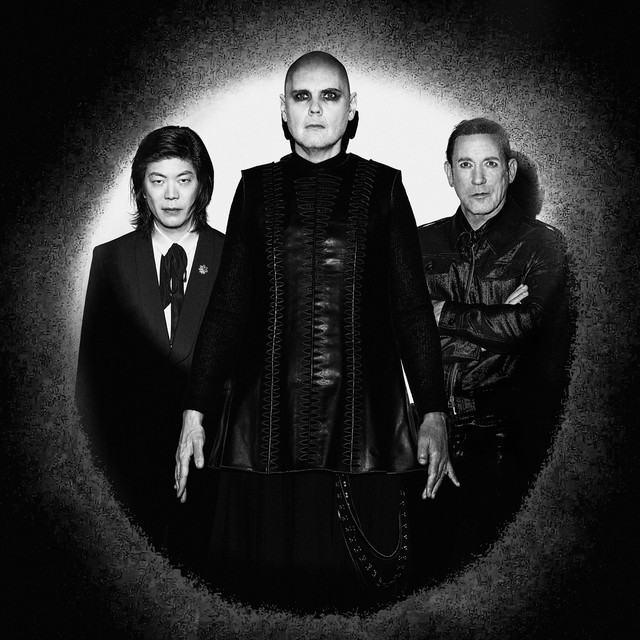
The Smashing Pumpkins
Alternative Rock
Grunge
Rock
4
/5
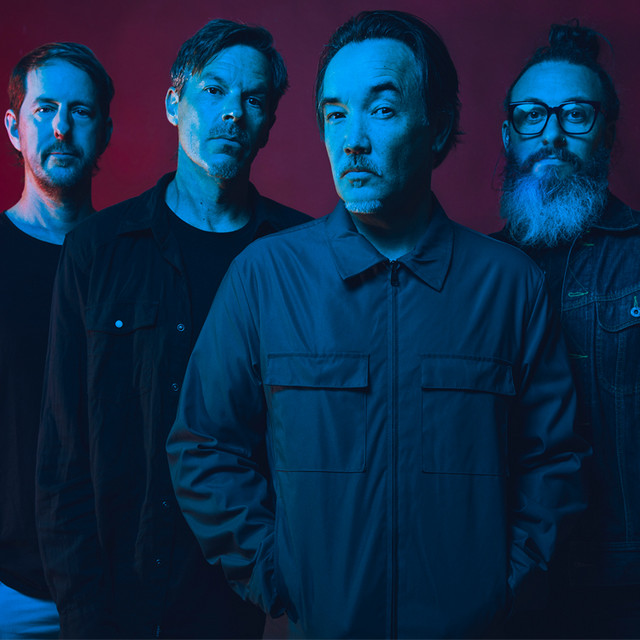
Hoobastank
Rock
Funk Metal
Alternative Rock
Download our mobile app
Get the Melodigging app and start digging for new genres on the go
Download on the App Store
Get it on Google Play
© 2026 Melodigging
Give feedback
About & FAQ
Legal
Melodding was created as a tribute to
Every Noise at Once
, which inspired us to help curious minds keep digging into music's ever-evolving genres.