Genres
Artists
Albums
Make Music
Sign in
Sign in
Artists
Flamenco
Artists
Flamenco
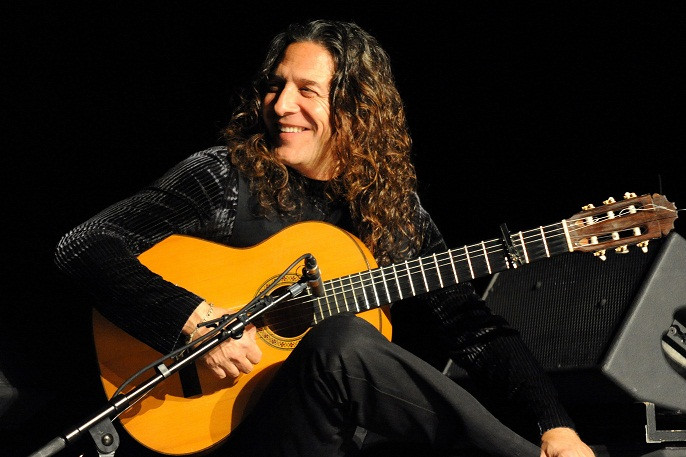
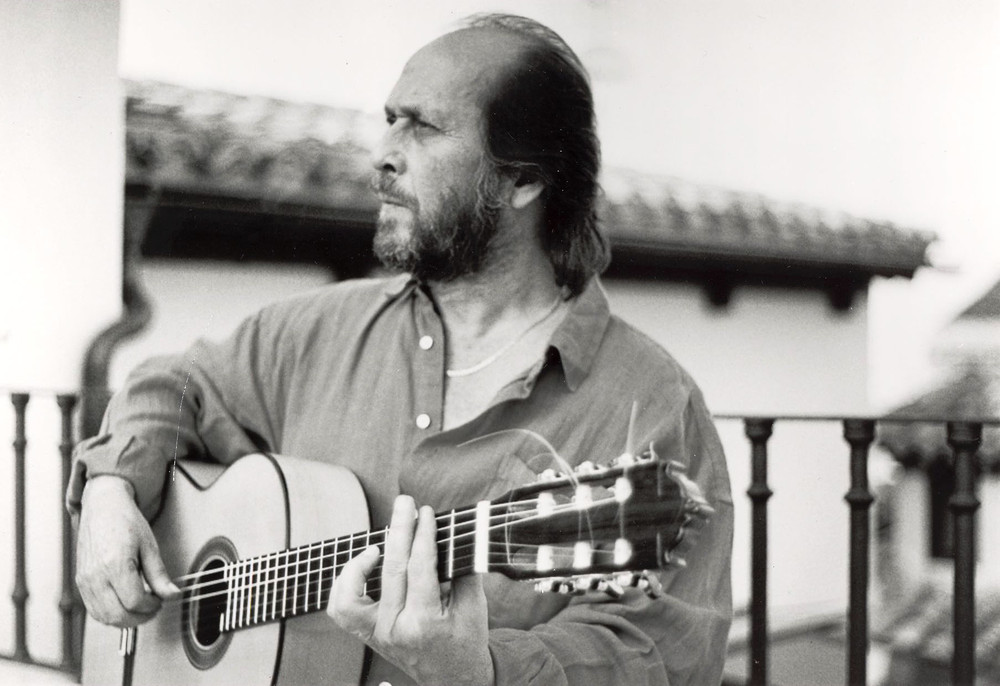
Tomatito
2000–2006
·
2 albums
Listen
4
/5
Genres
Flamenco Urbano
Flamenco urbano is a contemporary Spanish fusion that blends core elements of flamenco—cante jondo vocal timbre, palmas handclaps, rasgueado and picado guitar, cajón, and the Andalusian cadence—with modern urban production such as reggaeton dembow, trap 808s, hip‑hop sampling, and R&B toplines. Compared with the earlier nuevo flamenco, which often merged flamenco with jazz, rock, and pop, flamenco urbano is explicitly grounded in post-2010s urban idioms and streaming-era aesthetics. It often features autotuned melisma, loop-based harmonies, processed claps, sparse bass-forward beats, and lyrics that pivot between street realism, romance, pride, and cultural identity. The result is music that can be club-ready and rhythmically infectious while retaining the emotive intensity and ornamentation of flamenco.
Discover
Listen
Reparto
Reparto is a contemporary Cuban urban dance genre that grew out of Havana’s neighborhood (“el reparto”) party circuits. It is built for high-energy street dancing, emphasizing syncopated, loop-based rhythms, shouted hooks, and a raw, percussive low-end that often feels closer to club-ready reggaeton than to traditional Cuban pop. A distinctive trait is the incorporation of Cuban music elements—especially salsa-derived rhythmic language and, in many productions, salsa-like guitar picking patterns that add a bright, montuno-adjacent drive over modern drum programming. Vocals typically alternate between rap-style delivery, call-and-response chants, and catchy repeated slogans designed for crowd participation.
Discover
Listen
Flamenco Jazz
Flamenco jazz is a fusion style that blends the rhythmic cycles, guitar techniques, and vocal melismas of flamenco with the harmony, improvisation, and ensemble language of modern jazz. It typically features flamenco guitar (rasgueado, picado, alzapúa), palmas (handclaps), and cajón alongside piano, saxophone, bass, and drum set. Harmonically it mixes the Phrygian/Phrygian-dominant colors and Andalusian cadence of flamenco with jazz extensions, reharmonization, and modal or bebop-derived lines. The result ranges from driving bulerías and tangos in 4/4 or 12-beat compás to spacious, lyrical soleá-inspired pieces with jazz counterpoint and solo choruses.
Discover
Listen
Latin Jazz
Latin jazz is a fusion of jazz harmony and improvisation with Afro–Latin American rhythms, song forms, and percussion. It combines the swing, bebop, and big-band traditions with clave-based grooves such as son, rumba, danzón, and mambo, and later integrates Brazilian feels like samba and bossa nova. Typical features include the use of the clave (2–3 or 3–2), piano montunos (guajeos), bass tumbao patterns, timbales cáscara, conga marcha, and call-and-response horn "mambo" figures. While the rhythm section locks into cyclical patterns, soloists improvise using the vocabulary of jazz, creating music that is both danceable and harmonically rich.
Discover
Listen
Jazz
Jazz is an improvisation-centered music tradition that emerged from African American communities in the early 20th century. It blends blues feeling, ragtime syncopation, European harmonic practice, and brass band instrumentation into a flexible, conversational art. Defining features include swing rhythm (a triplet-based pulse), call-and-response phrasing, blue notes, and extended harmonies built on 7ths, 9ths, 11ths, and 13ths. Jazz is as much a way of making music—spontaneous interaction, variation, and personal sound—as it is a set of forms and tunes. Across its history, jazz has continually hybridized, from New Orleans ensembles and big-band swing to bebop, cool and hard bop, modal and free jazz, fusion, and contemporary cross-genre experiments. Its influence permeates global popular and art music.
Discover
Listen
Flamenco
Flamenco is a highly expressive musical and dance tradition from Andalusia that combines cante (song), toque (guitar), baile (dance), palmas (handclaps), and jaleo (shouts of encouragement). It is characterized by intricate rhythmic cycles called compás, intense vocal melismas with ornamental micro-inflections, and guitar techniques such as rasgueado, picado, alzapúa, golpe, and tremolo. Harmonically it often centers on the Phrygian mode and the Andalusian cadence (iv–III–II–I), creating a dramatic tension that complements the emotional depth of the lyrics, which frequently explore themes of love, loss, pride, and fate. Flamenco is organized into palos (forms) such as soleá, bulería, alegrías, seguiriyas, tientos/tangos, fandangos, tarantas, and rumba, each defined by its compás, mood, and traditional melodic/harmonic vocabulary.
Discover
Listen
Albums
2006
2
/5
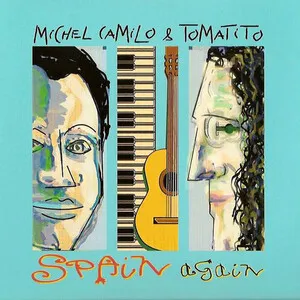
Spain Again
Michel Camilo & Tomatito
Flamenco Jazz
2000
2
/5
Spain
Michel Camilo & Tomatito
Flamenco Jazz
Similar artists
3
/5
Diego El Cigala
Flamenco
Tango
Bolero
3
/5
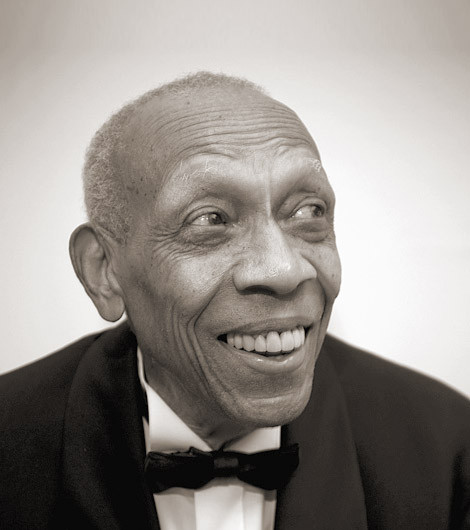
Bebo Valdés
Flamenco
Bolero
Chachachá
5
/5
Arcángel
Reggaeton
Trap Latino
Urbano Latino
5
/5
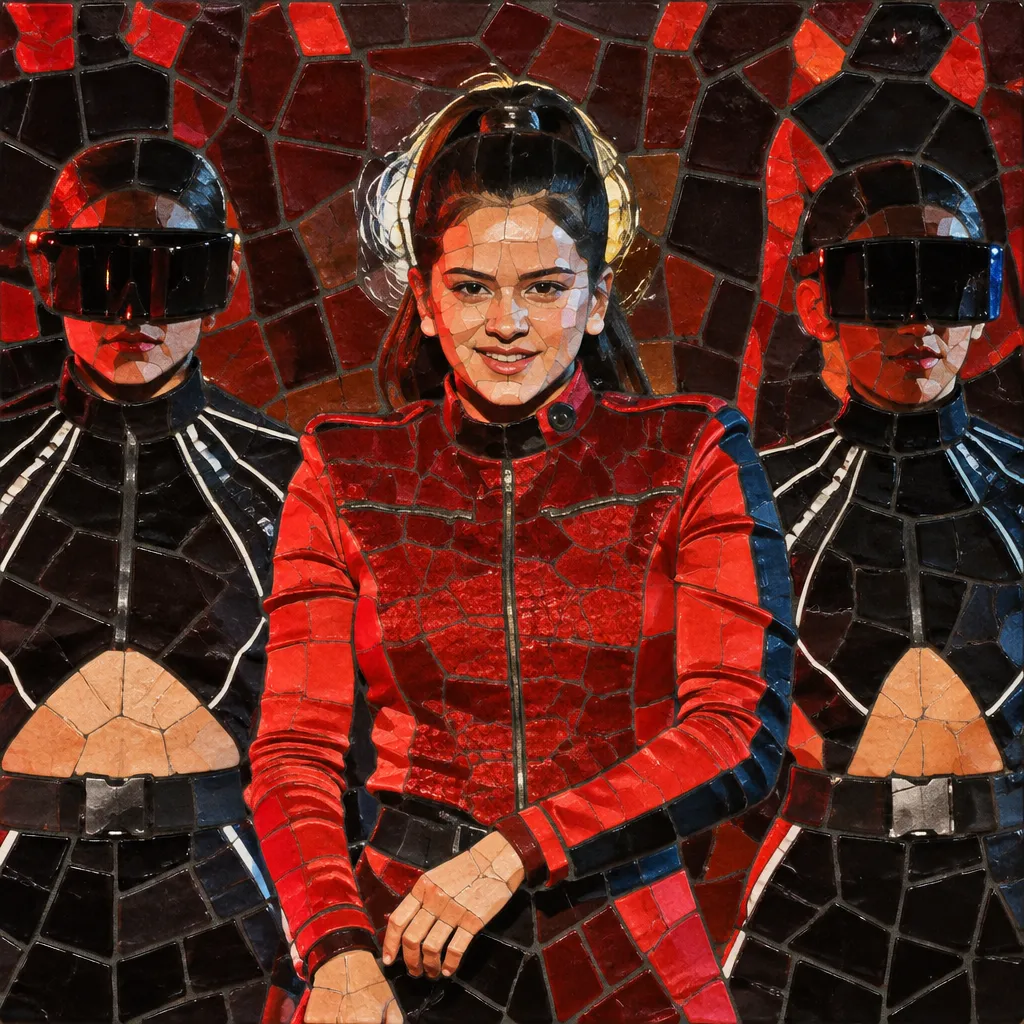
ROSALÍA
Latin
Flamenco
Neoperreo
4
/5
Melendi
Flamenco Pop
Flamenco
Flamenco Urbano
4
/5
Omar Montes
Flamenco
Flamenco Pop
Flamenco Urbano
4
/5
India Martinez
Flamenco
Flamenco Pop
Flamenco Urbano
3
/5
Yotuel
Flamenco
Flamenco Urbano
Previa
3
/5
Nyno Vargas
Flamenco
Flamenco Pop
Flamenco Urbano
3
/5
Paco de Lucía
Flamenco
Iberian Music
Spanish Music
Download our mobile app
Get the Melodigging app and start digging for new genres on the go
Download on the App Store
Get it on Google Play
© 2026 Melodigging
Give feedback
Legal
Melodding was created as a tribute to
Every Noise at Once
, which inspired us to help curious minds keep digging into music's ever-evolving genres.