Genres
Artists
Albums
Make Music
Sign in
Sign in
Artists
Avant-Garde
Artists
Avant-Garde
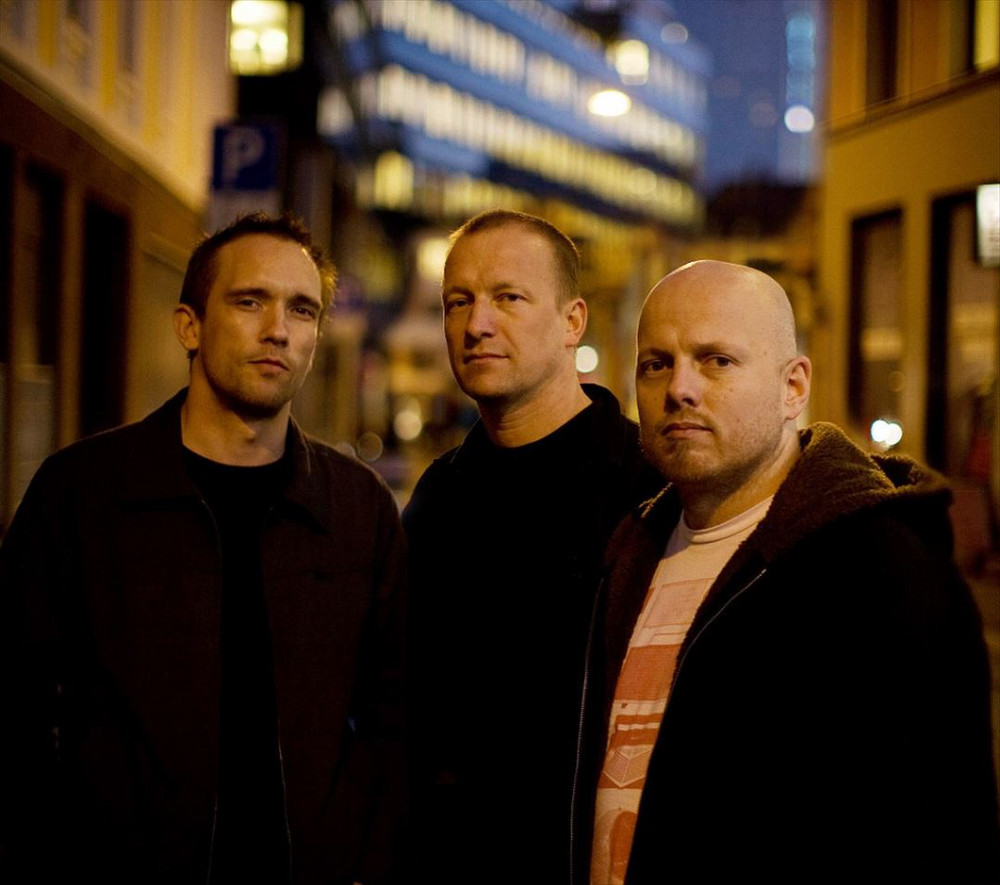
The Thing
2013–2015
·
2 albums
Listen
1
/5
Genres
European Free Jazz
European free jazz is a post-1960s jazz current that transplanted the freedoms of American free jazz into European contexts while developing its own aesthetic priorities. It privileges collective improvisation, timbral exploration, and open form over chord-based harmony and fixed meter. Compared to its American counterpart, European free jazz tends to be less blues- and gospel-derived and more informed by the European avant‑garde: contemporary classical techniques, serial and post-serial thinking, graphic notation, extended instrumental techniques, and experimental approaches to sound and silence. It spans intense, high-energy "fire music" as well as sparse, textural improvisation, and thrives in both small groups and large ensembles. The scene coalesced across Germany, the UK, the Netherlands, Scandinavia, France, and Poland, supported by independent labels and festivals (FMP, Incus, BYG/Actuel, ECM, ICP), and by collectives that treated improvisation as both an artistic practice and a social project.
Discover
Listen
Free Jazz
Free jazz is a radical branch of jazz that rejects fixed chord progressions, strict meter, and conventional song forms in favor of collective improvisation, textural exploration, and spontaneous interaction. Musicians prioritize timbre, dynamics, and gesture as much as pitch and harmony, often using extended techniques (multiphonics, overblowing, prepared piano) and unconventional sounds. While rooted in the blues and earlier jazz vocabularies, free jazz frees improvisers from pre-set harmonic cycles, allowing lines to unfold over tonal centers, shifting modes, drones, or complete atonality. Rhythm sections may float without a steady pulse, or drive with layered polyrhythms and “energy playing.” The result ranges from contemplative soundscapes to cathartic, high-intensity eruptions. Culturally, the genre intersected with the civil rights era and broader avant-garde movements, emphasizing autonomy, community, and new possibilities for musical expression.
Discover
Listen
Avant-Garde Jazz
Avant-garde jazz is a boundary-pushing current of jazz that privileges experimentation, collective improvisation, and timbral exploration over conventional song forms and chord progressions. It often uses atonality or loose tonality, extended instrumental techniques, shifting or absent meters, and open forms. Ensembles may emphasize texture and density as much as melody and harmony, drawing as readily from modern classical music and non-Western traditions as from blues and bebop. While sometimes intense or noisy, avant-garde jazz also embraces spaciousness and silence, allowing players to interact in real time without predetermined roles. The result is music that questions the limits of jazz itself, foregrounding sound, spontaneity, and social expression.
Discover
Listen
Rock
Rock is a broad family of popular music centered on amplified instruments, a strong backbeat, and song forms that foreground riffs, choruses, and anthemic hooks. Emerging from mid‑20th‑century American styles like rhythm & blues, country, and gospel-inflected rock and roll, rock quickly expanded in scope—absorbing folk, blues, and psychedelic ideas—while shaping global youth culture. Core sonic markers include electric guitar (often overdriven), electric bass, drum kit emphasizing beats 2 and 4, and emotive lead vocals. Rock songs commonly use verse–chorus structures, blues-derived harmony, and memorable melodic motifs, ranging from intimate ballads to high‑energy, stadium‑sized performances.
Discover
Listen
Avant-Garde
Avant-garde music is an umbrella term for boundary-pushing practices that challenge prevailing norms of harmony, rhythm, timbre, form, and performance. It privileges experimentation, conceptual rigor, and a willingness to reframe what counts as music at all. Historically tied to early 20th‑century artistic modernism, avant-garde music introduced atonality, the emancipation of noise, and new forms of notation and process. It embraces indeterminacy, extended techniques, electronics, spatialization, and multimedia performance, treating sound as material to be sculpted, questioned, and reinvented.
Discover
Listen
Jazz
Jazz is an improvisation-centered music tradition that emerged from African American communities in the early 20th century. It blends blues feeling, ragtime syncopation, European harmonic practice, and brass band instrumentation into a flexible, conversational art. Defining features include swing rhythm (a triplet-based pulse), call-and-response phrasing, blue notes, and extended harmonies built on 7ths, 9ths, 11ths, and 13ths. Jazz is as much a way of making music—spontaneous interaction, variation, and personal sound—as it is a set of forms and tunes. Across its history, jazz has continually hybridized, from New Orleans ensembles and big-band swing to bebop, cool and hard bop, modal and free jazz, fusion, and contemporary cross-genre experiments. Its influence permeates global popular and art music.
Discover
Listen
Albums
2015
1
/5
Shake
The Thing
European Free Jazz
Jazz
2013
1
/5
Boot!
The Thing
European Free Jazz
Avant-Garde Jazz
Jazz
Similar artists
1
/5
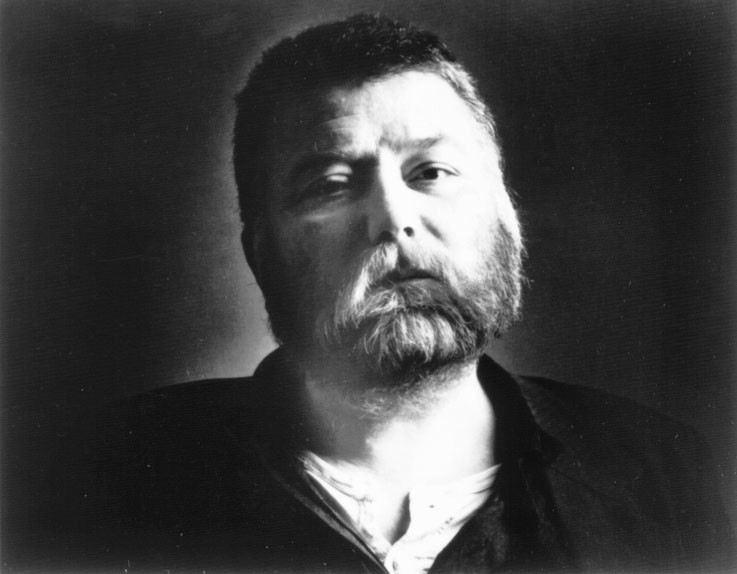
Peter Brötzmann
Free Jazz
Free Improvisation
European Free Jazz
1
/5
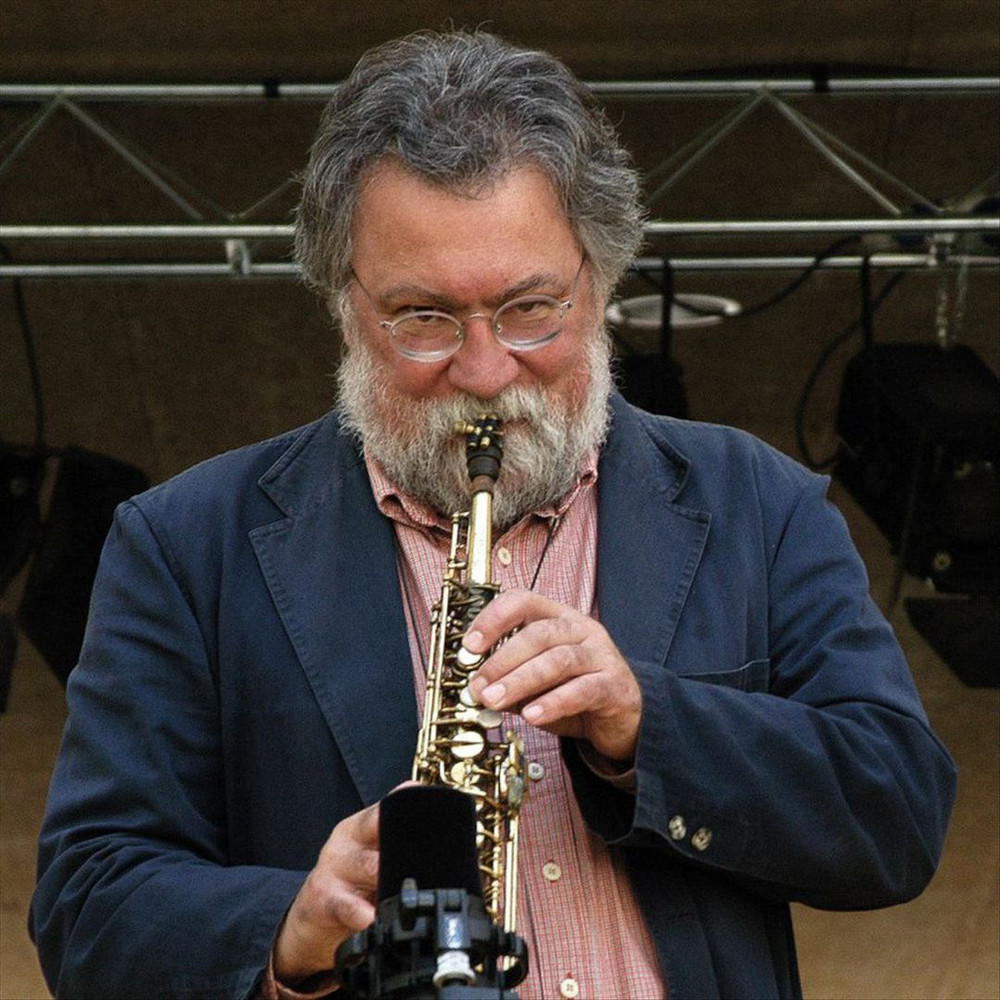
Evan Parker
Free Improvisation
Avant-Garde
Free Jazz
1
/5
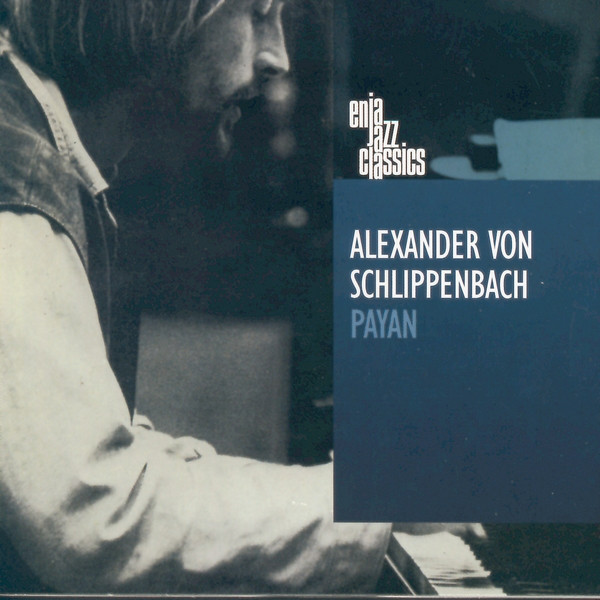
Alexander von Schlippenbach
Free Jazz
Jazz
Avant-Garde
3
/5
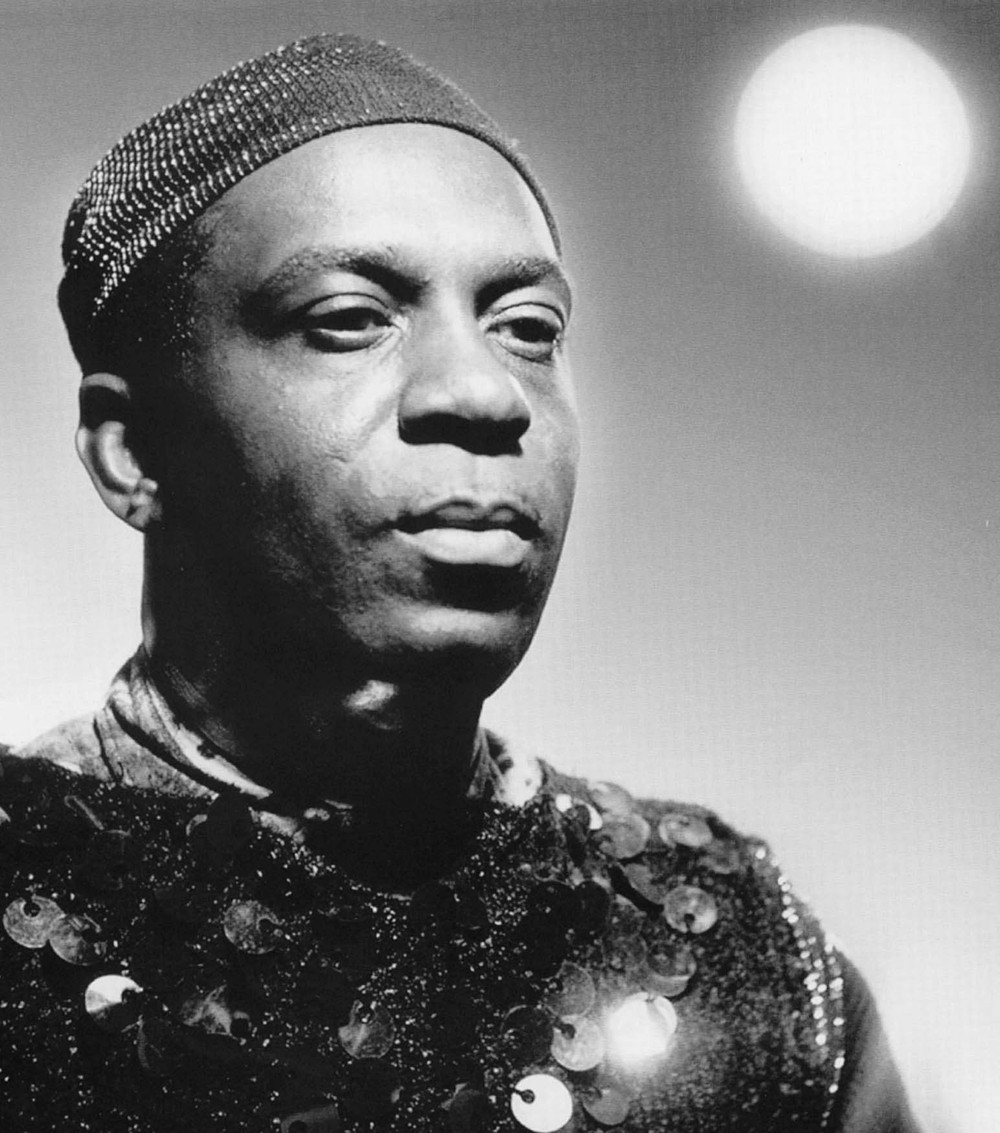
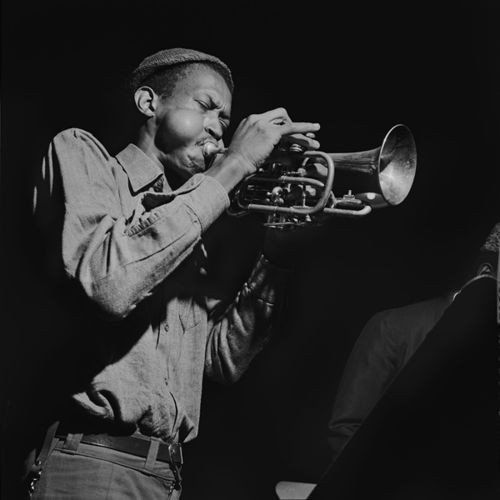
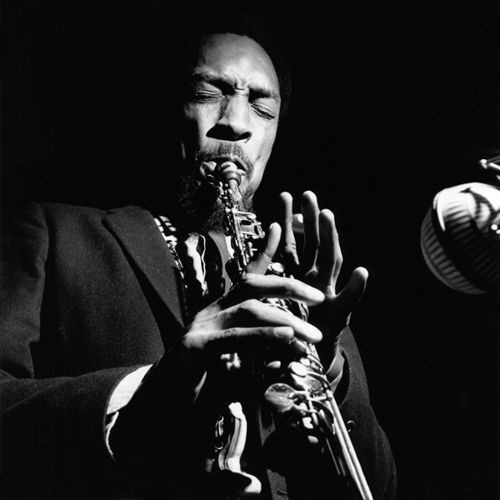
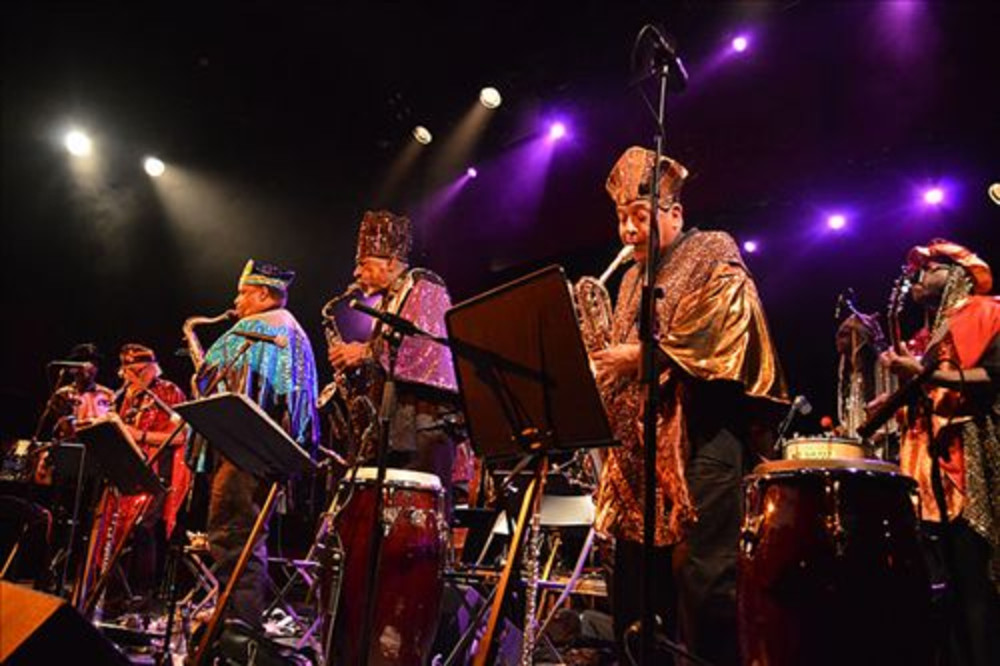
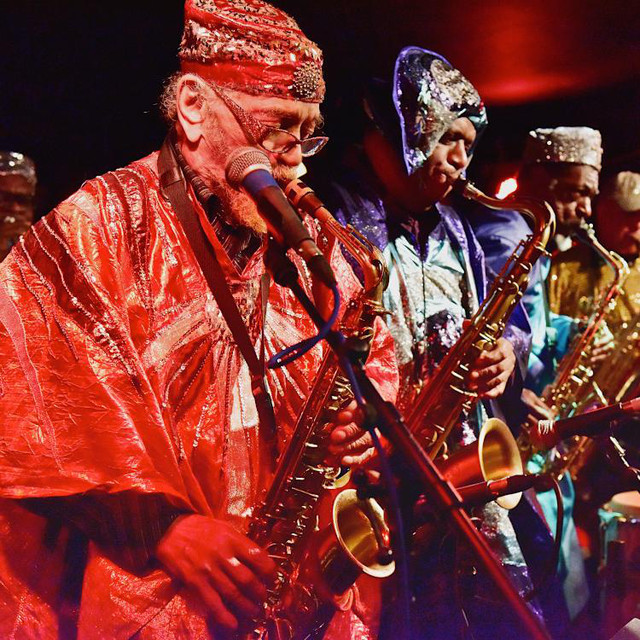
Sun Ra
Jazz
Afrofuturism
Experimental Big Band
2
/5
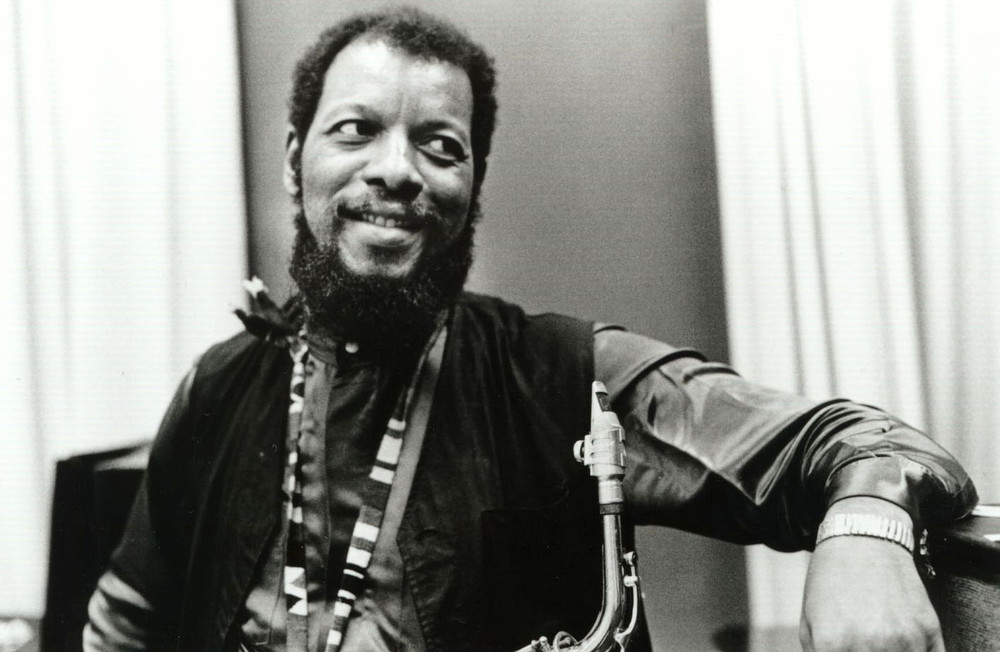
Ornette Coleman
Free Jazz
Jazz
Avant-Garde
2
/5
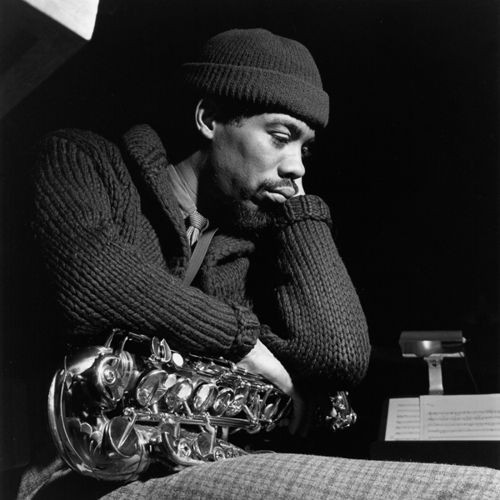
Eric Dolphy
Jazz
Avant-Garde
Bebop
2
/5
Don Cherry
Free Jazz
Jazz
Avant-Garde
2
/5
Sam Rivers
Free Jazz
Avant-Garde Jazz
Jazz
2
/5
Sun Ra & His Arkestra
Experimental Big Band
Jazz
Free Jazz
2
/5
Sun Ra Arkestra
Experimental Big Band
Jazz
Avant-Garde
Download our mobile app
Get the Melodigging app and start digging for new genres on the go
Download on the App Store
Get it on Google Play
© 2026 Melodigging
Give feedback
Legal
Melodding was created as a tribute to
Every Noise at Once
, which inspired us to help curious minds keep digging into music's ever-evolving genres.