Genres
Artists
Albums
Make Music
Sign in
Sign in
Artists
Dub
Artists
Dub
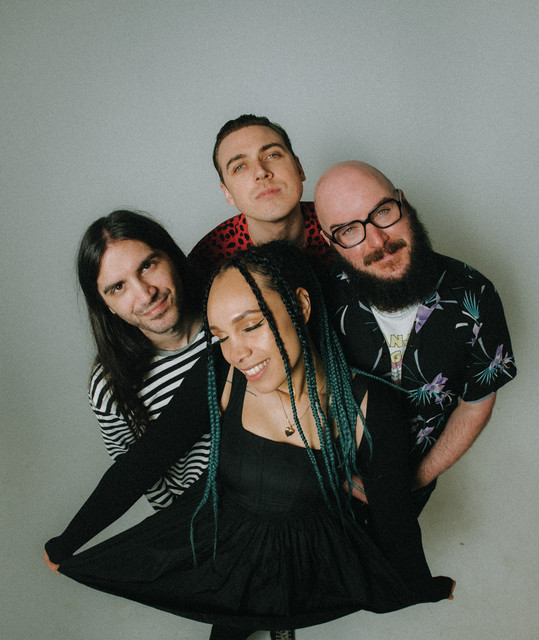
The Skints
Listen
2
/5
Genres
Modern Ska Punk
Modern ska punk is a 2010s–2020s reboot of ska’s off‑beat guitar “skank” and brass arrangements fused with pop‑punk hooks, hardcore energy, and contemporary indie/DIY production. It keeps Jamaican ska’s upstroke rhythm and walking bass feel, but toggles to double‑time punk beats and distortion for choruses, foregrounding big gang vocals and tightly voiced horn stabs. Culturally, the scene coalesced around inclusive, explicitly anti‑racist/anti‑sexist, queer‑affirming DIY communities (e.g., Bad Time Records), and a new crop of bands that treat ska not as nostalgia but as a flexible songwriting language. High‑profile signals of the revival included Jeff Rosenstock’s 2021 full‑album ska rework SKA DREAM, and We Are the Union’s Ordinary Life, a trans‑affirming, hook‑forward ska‑punk LP. The term “New Tone,” popularized by members of Bad Operation, captures a cleaner, roots‑aware but forward‑looking branch of the sound.
Discover
Listen
Ragga
Ragga (short for raggamuffin) is a digital-era branch of Jamaican dancehall that foregrounds electronic rhythms, heavy sub‑bass, and rapid‑fire toasting in Jamaican Patois. It typically uses drum machines, sampled or synthesized basslines, and minimal harmonic movement, creating spacious, hard‑hitting “riddims” over which multiple deejays deliver contrasting versions. The style crystallized in the mid‑1980s after the pivotal “Sleng Teng” riddim popularized fully digital production, ushering in a new sound that was simultaneously streetwise, club‑ready, and globally exportable. Lyrically, ragga ranges from party‑starting “slackness” and braggadocio to social commentary, and its vocal delivery combines singing, chanting, and MC‑style flows.
Discover
Listen
Ska Punk
Ska punk is a high-energy fusion of Jamaican ska and British/US punk rock. It pairs the off‑beat, upstroke "skank" guitar, walking or bouncy bass lines, and bright horn stabs of ska with punk’s faster tempos, distorted power chords, and shout‑along hooks. Typical songs pivot between laid‑back, syncopated ska grooves and explosive double‑time punk choruses, often featuring gang vocals, call‑and‑response refrains, and mosh‑friendly breakdowns. Lyrically it ranges from wry humor and everyday storytelling to sharp social commentary, all delivered with an upbeat, dance‑floor focus.
Discover
Listen
Dub
Dub is a studio-born offshoot of reggae that uses the mixing desk as a performance instrument. Producers strip songs down to their rhythmic core—drums and bass—and then rebuild them in real time with radical mutes, echoes, reverbs, and filters. Typically created from the B-sides (“versions”) of reggae singles, dub foregrounds spacious low-end, one-drop or steppers drum patterns, and fragmented vocal or instrumental phrases that drift in and out like ghostly textures. Spring reverb, tape echo, and feedback are not just effects but compositional tools, turning the studio into an instrument of improvisation. The result is bass-heavy, spacious, and hypnotic music that emphasizes negative space and textural transformation, laying the foundation for countless electronic and bass music styles.
Discover
Listen
Reggae Rock
Reggae rock is a hybrid style that blends the off‑beat groove, deep bass, and laid‑back pulse of reggae with the drive, hooks, and guitar-forward energy of rock. The result keeps reggae’s skanking guitar upstrokes, syncopated bass lines, and occasional one‑drop feel, but frames them with rock song structures, choruses, and a more aggressive backbeat. Early British punk and new wave bands absorbed Jamaican rhythms, while later American groups added surf, hip‑hop, and pop accents, creating a beach-ready, festival-friendly sound.
Discover
Listen
Punk Rock
Punk rock is a fast, raw, and stripped‑down form of rock music that foregrounds energy, attitude, and the DIY ethic over technical polish. Songs are short (often 90–180 seconds), in 4/4, and driven by down‑stroked power‑chord guitars, eighth‑note bass, and relentless backbeat drumming. Vocals are shouted or sneered rather than crooned, and lyrics are direct, often political, anti‑establishment, or wryly humorous. Production is intentionally unvarnished, prioritizing immediacy and live feel over studio perfection. Beyond sound, punk rock is a culture and practice: independent labels, fanzines, all‑ages venues, self‑organized tours, and a participatory scene that values inclusivity, affordability, and self‑reliance.
Discover
Listen
Reggae
Reggae is a popular music genre from Jamaica characterized by a laid-back, syncopated groove, prominent bass lines, and steady offbeat “skank” guitar or keyboard chords. The rhythmic core often emphasizes the third beat in a bar (the “one drop”), creating a spacious, rolling feel that foregrounds bass and drums. Typical instrumentation includes drum kit, electric bass, rhythm and lead guitars, keyboards/organ (notably the Hammond and the percussive "bubble"), and often horn sections. Tempos generally sit around 70–80 BPM (or 140–160 BPM felt in half-time), allowing vocals to breathe and messages to be clearly delivered. Lyrically, reggae ranges from love songs and everyday storytelling to incisive social commentary, resistance, and spirituality, with Rastafarian culture and language (e.g., “I and I”) playing a central role in many classic recordings. Studio production techniques—spring reverbs, tape delays, and creative mixing—became signature elements, especially through dub versions that strip down and reimagine tracks.
Discover
Listen
Rocksteady
Rocksteady is a Jamaican popular music style that emerged in the mid‑1960s as a slowed‑down, more soulful successor to ska and the direct precursor to reggae. It retains ska’s off‑beat guitar/piano "skank" but lowers the tempo, brings the bass to the foreground, and favors expressive vocal harmonies. Typically recorded by small studio bands with guitar, electric bass, drums, piano/organ, and occasional horns, rocksteady emphasizes melodic, inventive basslines, tight rhythm guitar, rimshot/side‑stick drums, and sparse horn figures. Lyrically it ranges from tender love songs and yearning ballads to rude‑boy narratives and social commentary. Its concise arrangements and groove‑driven feel make it both danceable and emotionally resonant.
Discover
Listen
Ska
Ska is a Jamaican popular music style characterized by a brisk 4/4 groove, off‑beat guitar or piano upstrokes (the “skank”), walking bass lines, and punchy horn riffs. Emerging in late‑1950s Kingston dancehalls, ska fused local mento and calypso with American rhythm & blues and jazz, creating a lively sound that celebrated independence‑era optimism and street culture. Across time, ska evolved through distinct waves: the original Jamaican ska of the early 1960s, the racially integrated and politically aware 2 Tone movement in late‑1970s Britain, and the third‑wave explosion in the 1990s that blended ska with punk energy around the world.
Discover
Listen
Show all 9 genres
Similar artists
4
/5
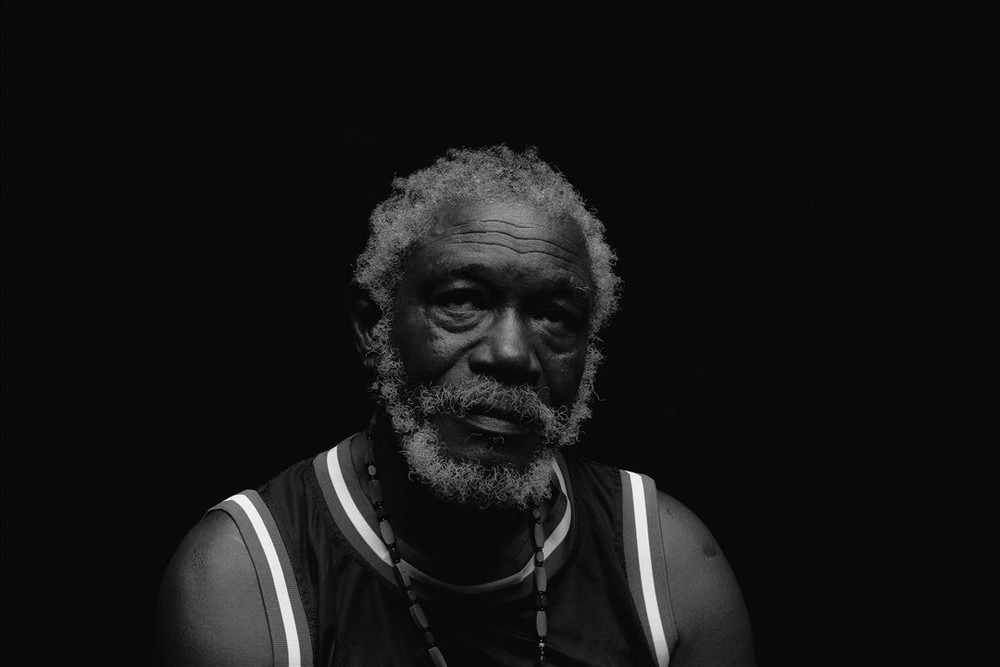
Horace Andy
Dub
Lovers Rock
Reggae
4
/5
Steel Pulse
Dub
Ragga
Reggae
3
/5
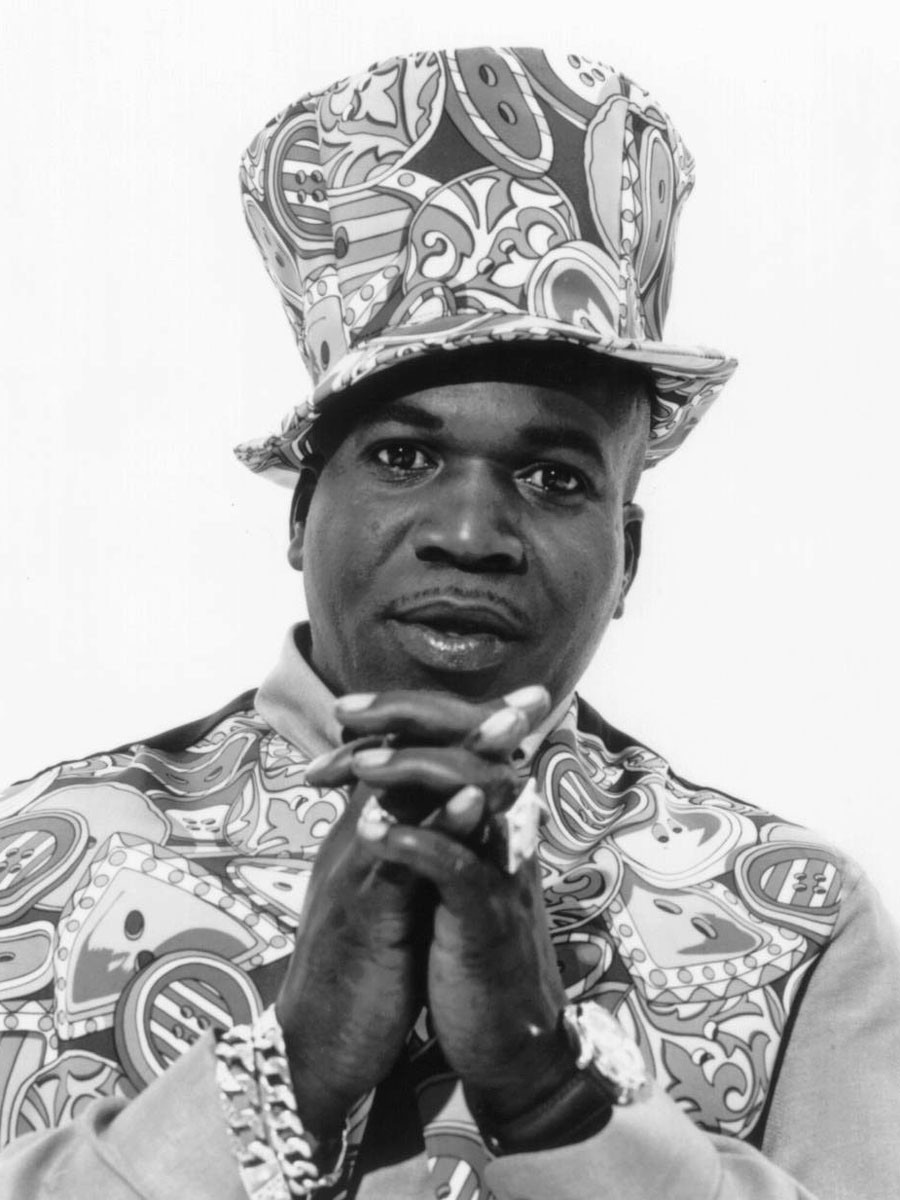
Barrington Levy
Dancehall
Reggae
Roots Reggae
3
/5
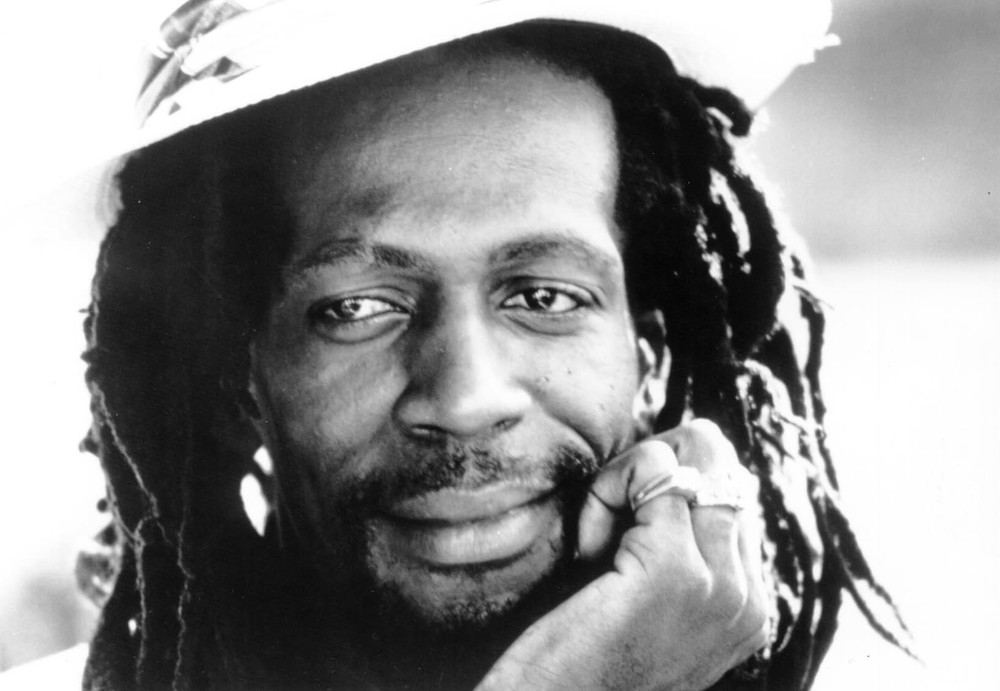
Gregory Isaacs
Lovers Rock
Rocksteady
Dub
3
/5
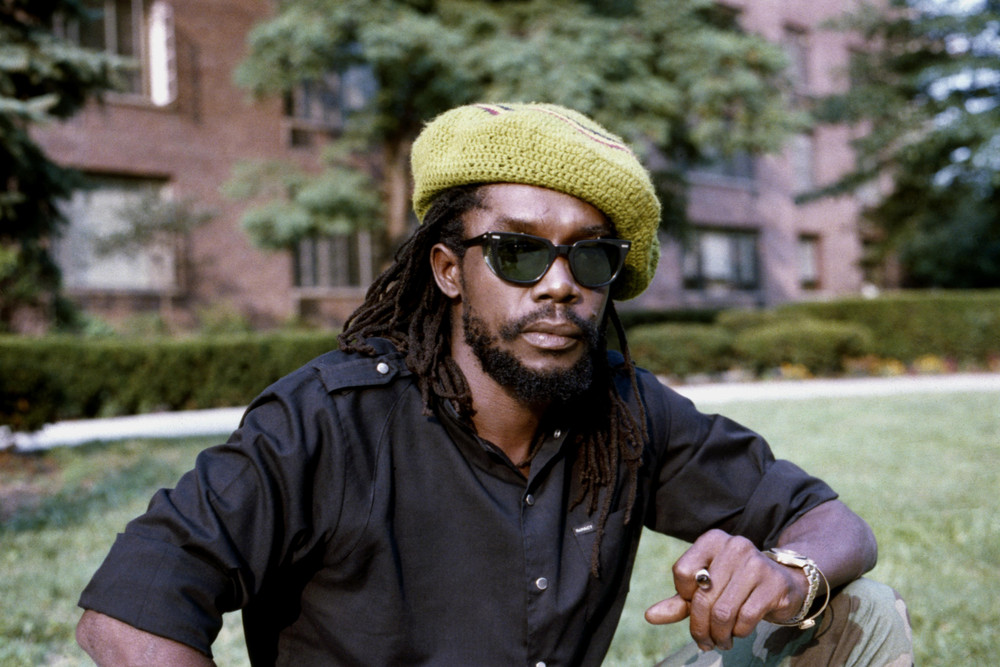
Peter Tosh
Reggae
Roots Reggae
Dub
3
/5
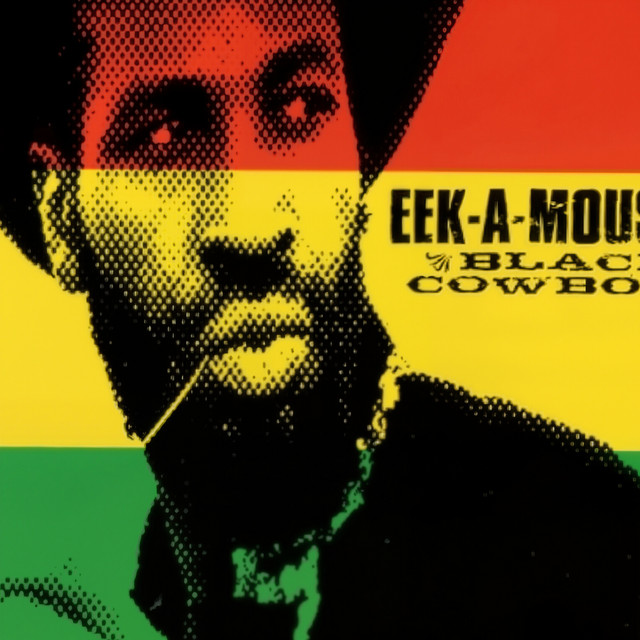
Eek-A-Mouse
Deejay
Dub
Ragga
3
/5
Don Carlos
Dub
Ragga
Reggae
3
/5
Dennis Brown
Rocksteady
Lovers Rock
Dub
3
/5
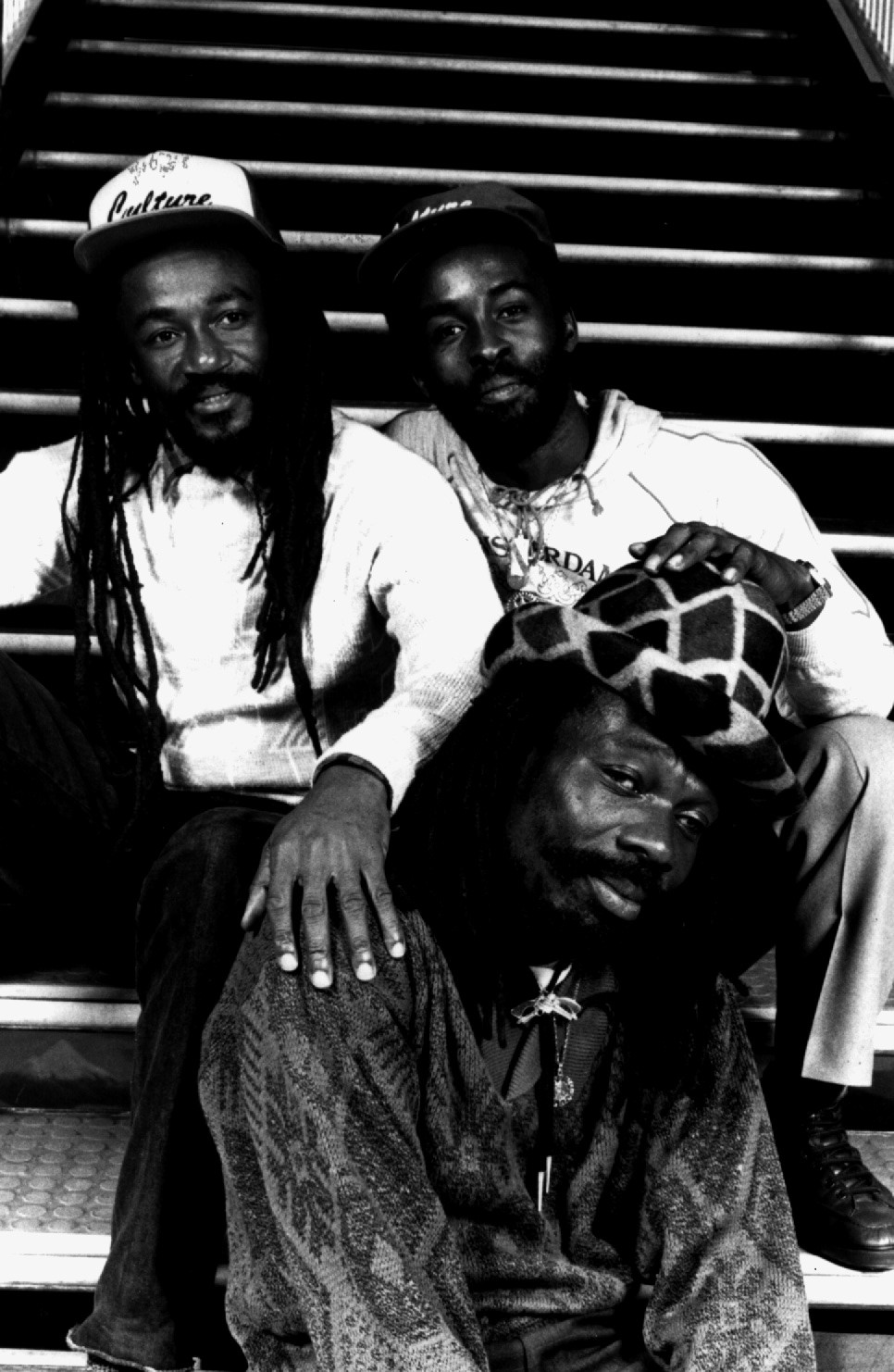
Culture
Reggae
Roots Reggae
H8000
3
/5
Max Romeo
Rocksteady
Dub
Ragga
Download our mobile app
Get the Melodigging app and start digging for new genres on the go
Download on the App Store
Get it on Google Play
© 2026 Melodigging
Give feedback
Legal
Melodding was created as a tribute to
Every Noise at Once
, which inspired us to help curious minds keep digging into music's ever-evolving genres.