Genres
Artists
Albums
Make Music
Sign in
Sign in
Artists
Dark Wave
Artists
Dark Wave
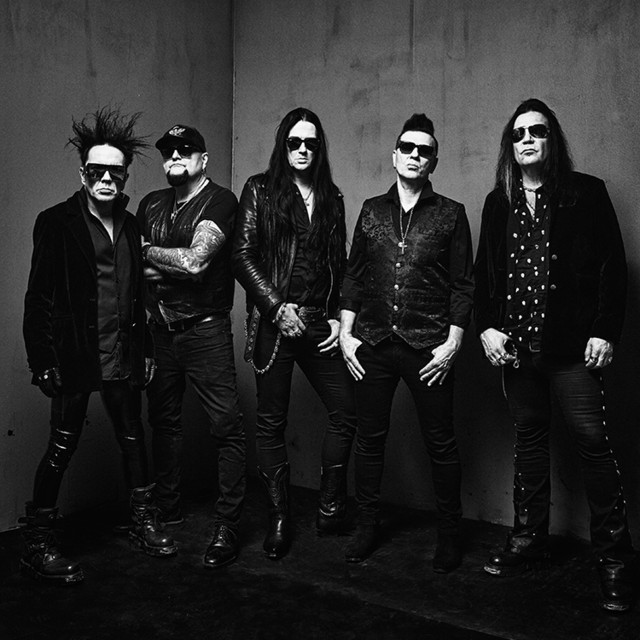
The 69 Eyes
Listen
3
/5
Genres
Modern Goth
Modern goth is a contemporary evolution of the original goth and darkwave aesthetics, blending post-punk basslines, reverb-drenched guitars, and analog synth textures with current production practices. It favors minor-key harmonies, baritone or breathy vocals, and skeletal drum-machine patterns that evoke a cinematic, nocturnal mood. Compared with 1980s forebears, modern goth leans more heavily on synthesizers, EBM-adjacent grooves, and minimalist arrangements, often shaped by DIY, modular, and bedroom-production workflows. The result is a sound that is dancefloor-friendly yet introspective, simultaneously cold, romantic, and starkly modern.
Discover
Listen
Dark Disco
Dark disco is a mid‑tempo, nocturnal strain of club music that fuses the hypnotic pulse of disco with the grit of post‑punk, EBM, coldwave, and industrial. It favors ominous basslines, minor‑key harmonies, reverb‑soaked guitars and vocals, and analog synth textures, resulting in a moody, cinematic atmosphere that is equally suited to sweaty basements and late‑night festival stages. Tempos typically sit between 105–120 BPM, with emphasis on groove, tension, and shadowy drama rather than maximal speed or brightness.
Discover
Listen
Dark Trap
Dark trap is a moody, ominous strain of trap characterized by minor‑key melodies, dystopian pads, bell arpeggios, choirs, and cinematic textures laid over hard‑hitting 808s. Producers lean on distorted or saturated sub‑bass, rapid hi‑hat rolls, and halftime drum feels to create a sense of menace and weight. Harmonically it favors natural/harmonic minor, Phrygian, and Phrygian‑dominant colors, with sparse motifs, dissonant intervals, and tension‑building sound design. Vocals often explore themes of nihilism, isolation, urban decay, crime, and horror/occult imagery. Typical tempos sit around 130–150 BPM (felt in halftime around 65–75 BPM), keeping the groove heavy while leaving space for vocals.
Discover
Listen
Gothic Metal
Gothic metal is a fusion of the heaviness and slow, atmospheric pull of doom metal with the dark romanticism and melodrama of gothic rock. It emphasizes minor-key harmony, thick guitar textures, and prominent keyboards or orchestral pads to create a brooding, cinematic mood. Vocals range from deep baritone croons and clean female sopranos to harsh growls—sometimes used together in the "beauty-and-the-beast" style. Lyrical themes often explore love and loss, mortality, melancholy, myth, and the supernatural, presented with a sense of theatricality. While centered in metal, the style borrows from dark wave’s somber synths and gothic rock’s atmosphere, leading to variations that lean toward doom, symphonic, or even alternative-leaning approaches.
Discover
Listen
Dark Wave
Dark wave is a moody, melancholic offshoot of post-punk and new wave that emphasizes minor-key harmonies, somber timbres, and introspective or romantic lyrical themes. It blends the icy textures of early synthesizers and drum machines with reverb-laden guitars and melodic, driving basslines. The style typically features baritone or ethereal vocals, atmospheric production with heavy use of chorus, delay, and reverb, and tempos that range from slow and brooding to mid-tempo and danceable. Dark wave spans both guitar-oriented and synth-forward approaches, and often overlaps with related movements such as coldwave, minimal wave, and ethereal wave.
Discover
Listen
Deathrock
Deathrock is a dark, theatrical offshoot of punk that emerged in the early 1980s, characterized by ominous atmospheres, tom-heavy “tribal” drumming, chorus-soaked basslines, and reverb-drenched guitar. It blends the immediacy and DIY aggressiveness of punk rock with the bleak textures and minor-key melodicism of post-punk and early gothic rock, often drawing visual inspiration from horror cinema and macabre cabaret. Vocals range from plaintive and haunted to snarling and declamatory, while lyrics explore themes of death, alienation, ritual, and romantic morbidity. The production favors raw edges, spring/plate reverbs, and room ambience over polish.
Discover
Listen
Glam Metal
Glam metal (often called hair metal) is a flamboyant strain of 1980s hard rock and heavy metal defined by high-energy riffs, anthemic choruses, and glossy, radio-ready production. It pairs the swagger of hard rock with pop hooks, multi-tracked vocal harmonies, and virtuosic guitar solos. Visually, the style is theatrical: teased hair, makeup, spandex, and flashy stagewear echo the glam rock of the 1970s, while the music embraces both party-ready anthems and power ballads. The sound is big, bright, and built for arenas and MTV-era music television.
Discover
Listen
Gothic Rock
Gothic rock is a dark, atmospheric branch of post-punk that emphasizes brooding moods, melodic basslines, baritone or icy vocal deliveries, and guitar textures drenched in chorus, delay, and reverb. Its lyrics often explore themes of romanticism, existential dread, night, mysticism, and decay, drawing on Gothic literature and cinema as much as rock tradition. Sonically, it blends the stark rhythms and minimalism of post-punk with the theatricality of glam and the textural experimentation of art and psychedelic rock. Drum machines or tightly metronomic drumming underpin prominent, melodic bass figures, while guitars shimmer or scrape with chorus/flanger effects. The result is danceable yet somber music that feels both dramatic and introspective.
Discover
Listen
Horror Punk
Horror punk is a subgenre of punk rock that fuses fast, aggressive punk energy with macabre imagery, campy B‑movie storytelling, and catchy, melodic hooks. Songs often feature minor-key riffs, gang vocals, and choruses designed for crowd sing-alongs, creating a balance between menace and fun. The style draws heavily on classic rock ’n’ roll and doo‑wop melodicism filtered through the rawness of 1970s punk. Lyrics reference monsters, graveyards, slashers, and supernatural themes, usually delivered with theatrical flair rather than genuine nihilism, making the mood dark yet playful.
Discover
Listen
Metal
Metal (often used to mean heavy metal in its broad, umbrella sense) is a loud, guitar-driven style of rock defined by high-gain distortion, emphatic and often martial rhythms, and a dense, powerful low end. It foregrounds riff-based songwriting, dramatic dynamics, virtuosic guitar solos, and commanding vocals that range from melodic wails to aggressive snarls and growls. Harmonically, metal favors minor modes, modal color (Aeolian, Phrygian), chromaticism, and tritone-inflected tension, while thematically it explores power, mythology, the occult, social critique, fantasy, and existential subjects. While adjacent to hard rock, metal typically pushes amplification, distortion, precision, and thematic intensity further, forming a foundation for many specialized subgenres.
Discover
Listen
Finnish Rock
Finnish rock (often called “suomirock”) is a broad umbrella for rock music made in Finland, notable for its melodic guitar work, singable choruses, and a lyrical bent that mixes everyday realism, irony, and Nordic melancholy. It grew out of 1960s beat, rock and roll, and rautalanka (a local, twangy instrumental rock), then absorbed punk and new wave energy in the late 1970s, and hard rock and glam sheen in the 1980s. Many of its flagship acts chose to sing in Finnish, establishing a distinctive identity separate from Anglo-American rock. Across decades, the sound ranges from high-octane boogie and rockabilly inflections (Hurriganes) to glam-infused hard rock (Hanoi Rocks), anthemic mainstream rock (Eppu Normaali, Popeda), and more alternative or art-minded currents (Sielun Veljet, CMX).
Discover
Listen
Rock
Rock is a broad family of popular music centered on amplified instruments, a strong backbeat, and song forms that foreground riffs, choruses, and anthemic hooks. Emerging from mid‑20th‑century American styles like rhythm & blues, country, and gospel-inflected rock and roll, rock quickly expanded in scope—absorbing folk, blues, and psychedelic ideas—while shaping global youth culture. Core sonic markers include electric guitar (often overdriven), electric bass, drum kit emphasizing beats 2 and 4, and emotive lead vocals. Rock songs commonly use verse–chorus structures, blues-derived harmony, and memorable melodic motifs, ranging from intimate ballads to high‑energy, stadium‑sized performances.
Discover
Listen
Show all 12 genres
Similar artists
3
/5
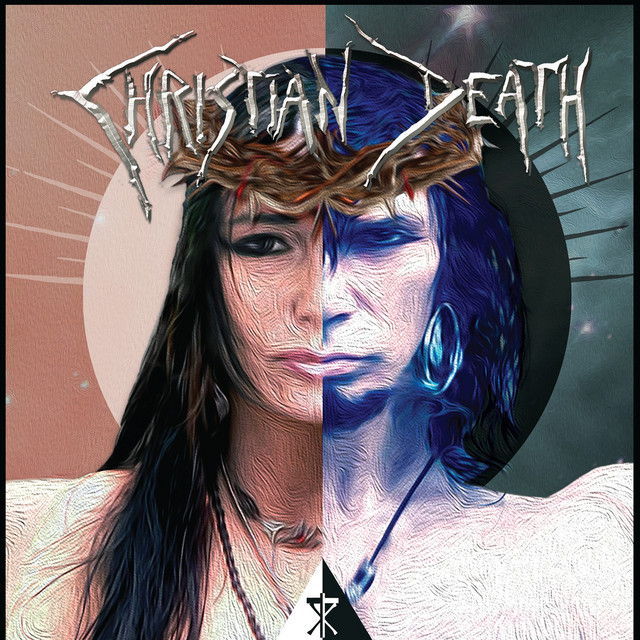
Christian Death
Deathrock
Gothic Rock
Horror Punk
2
/5
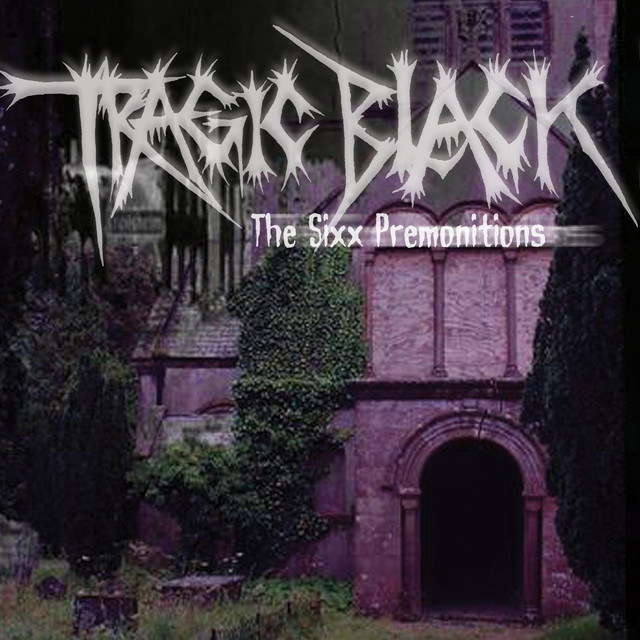
Tragic Black
Coldwave
Dark Wave
Deathrock
2
/5
Bella Morte
Coldwave
Dark Wave
Deathrock
1
/5
Virgin in Veil
Coldwave
Dark Wave
Deathrock
1
/5
Coffin Moth
Dark Wave
Deathrock
Gothic Metal
1
/5
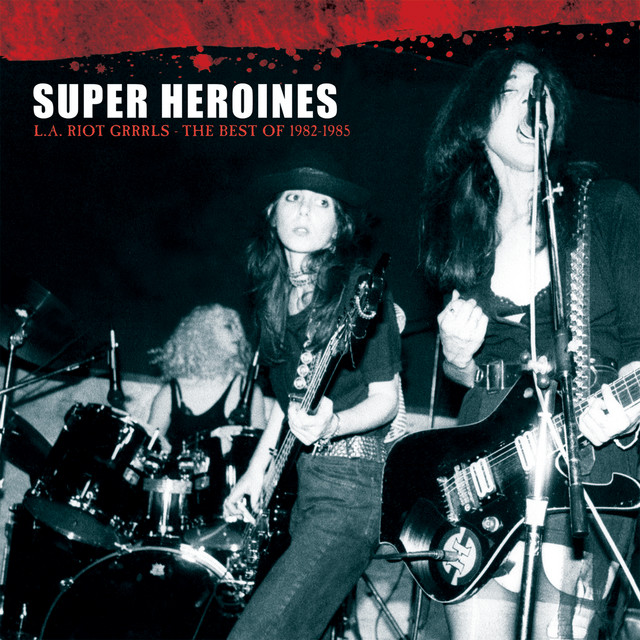
Super Heroines
Coldwave
Dark Wave
Deathrock
1
/5
Screaming Dead
Dark Wave
Deathrock
Gothic Metal
1
/5
Shadow Project
Coldwave
Dark Wave
Deathrock
3
/5
Sisters of Mercy
Gothic Rock
Dark Wave
Deathrock
3
/5
London After Midnight
Dark Wave
Deathrock
Gothic Rock
Download our mobile app
Get the Melodigging app and start digging for new genres on the go
Download on the App Store
Get it on Google Play
© 2026 Melodigging
Give feedback
Legal
Melodding was created as a tribute to
Every Noise at Once
, which inspired us to help curious minds keep digging into music's ever-evolving genres.