Genres
Artists
Albums
Make Music
Sign in
Sign in
Artists
Dangdut
Artists
Dangdut
Tenxi
Listen
4
/5
Genres
Game Mood
Game mood is a contemporary, internet-native style that blends chill, loop-friendly electronic production with the melodic signifiers of video game music. It is crafted to sit comfortably behind gameplay, streaming, studying, or casual listening. The palette typically includes soft synth pads, gentle sidechained chords, arpeggiated leads, and light, clicky drum programming. Subtle chiptune timbres, sparkling bell or mallet tones, retro console textures, and synthwave-adjacent pads are common, while arrangements avoid intrusive vocals and sharp transients so the music remains non-distracting. Tempos are usually mid-slow (often 70–100 BPM or 120–140 BPM in half-time), harmonies are diatonic and consonant, and tracks are structured in seamless loops or gradual layer builds. The overall feel is soothing, nostalgic, and lightly propulsive—ideal for maintaining focus while preserving a sense of playful immersion.
Discover
Listen
Hipdut
Hipdut is a contemporary Indonesian fusion that blends hip hop’s rapped verses and 808-driven production with the rhythmic feel, vocal melismas, and stage culture of dangdut—especially its high-energy koplo variant. Typically, a Hipdut track alternates between rap sections in Indonesian or regional languages (notably Javanese) and a dangdut-style sung chorus supported by kendang (drum) patterns, suling (bamboo flute) hooks, and bright synths. The result is a dance-forward, street-level pop form that thrives on YouTube, TikTok, and live wedding stages, while reflecting everyday romance, friendship, and youthful resilience.
Discover
Listen
Lagu Timur
Lagu timur (Indonesian for "eastern songs") is a contemporary pop current that emerged from Eastern Indonesia—especially Maluku, Papua/West Papua, and Nusa Tenggara. It blends mellow pop songwriting with light reggae/dancehall grooves, acoustic guitar or ukulele strums, and simple trap/808-era production. Lyrics often switch between Indonesian and regional Malay varieties (Ambon Malay, Kupang Malay), carrying local slang and cadences that make the songs feel intimate and community-rooted. Typical tracks center on love, loyalty, friendship, and family, delivered with sing-along hooks and uncomplicated major-key harmonies. The sound is distinctly DIY—home studios, YouTube-first releases, and social virality (later TikTok)—which helped propel the style nationwide and into the Indonesian diaspora.
Discover
Listen
Koplo
Koplo (often called "dangdut koplo") is a high-energy, club-ready evolution of Indonesian dangdut that emerged from East Java in the early 2000s. It is defined by a faster tempo, driving "kendang koplo" drum patterns (influenced by Sundanese jaipongan), and lively organ/keyboard harmonies that support sing-along melodies. Performances are highly participatory and dance-focused (goyang), with call-and-response between singer, band, and crowd. Lyrically, koplo keeps the heart of dangdut—romance, everyday life, longing—while its arrangements push toward pop hooks and rhythmic breakdowns suited to large outdoor stages and viral remixes. In the 2010s–2020s it crossed into mainstream Indonesian pop via "pop koplo" and became a staple of DJ remixes (“DJ koplo”).
Discover
Listen
Funkot
Funkot (often called Hardfunk, House Kota, Indonesian House, or Indonesian Hardcore) is a high‑tempo Indonesian form of electronic dance music that emerged in the 1990s. Built around 4/4 club frameworks and tempos typically between 160–220 BPM, it fuses Eurodance and Trance supersaw leads and anthemic hooks with the syncopated, rolling percussion patterns of dangdut—especially dangdut koplo. The result is a relentlessly driving, party‑focused style marked by big snare and tom fills, whistle and horn stabs, chopped vocal shouts, and quick, dramatic builds and drops. While it shares energy with happy hardcore and Eurobeat, Funkot’s identity is unmistakably Indonesian: it borrows rhythmic cells, percussion timbres (e.g., kendang‑like patterns), and sometimes scale color from local traditions, translating them into turbocharged club arrangements designed for peak‑time dancefloors.
Discover
Listen
Indonesian Hip Hop
Indonesian hip hop is the localized adaptation of hip hop culture in Indonesia, performed primarily in Bahasa Indonesia and often blended with regional languages such as Javanese, Sundanese, and Balinese. It spans from sample-based boom bap and G‑funk to modern trap and drill-inflected productions, with lyricism that ranges from socially conscious and political commentary to humorous storytelling and internet-age flexes. A defining trait is its integration of Indonesian musical DNA: producers frequently weave elements of dangdut (and its high-energy koplo variants), gamelan textures, kendang drum patterns, and bamboo or reed timbres (e.g., suling, angklung) into 808-driven beats. Scenes in Jakarta, Bandung, Yogyakarta, and beyond have distinct aesthetics—from underground, hard-hitting flows to pop-leaning rap with R&B hooks—creating a broad spectrum that resonates both locally and globally.
Discover
Listen
Malay Rap
Malay rap is hip hop performed primarily in the Malay language (often with code-switching into English and local slang), rooted in Malaysia’s urban cultures. It blends global hip hop aesthetics—MCing, DJing, sampling, and beat-making—with Malaysian idioms, accents, and references, creating a distinctive voice for Malay-speaking youth. Musically, Malay rap ranges from classic boom-bap and G-funk inspirations to contemporary trap, drill-tinged beats, and R&B-inflected hooks. Lyrically it spans braggadocio and party anthems, social commentary about class and identity, and reflective storytelling, frequently using pantun-style wordplay and Malay proverbs (peribahasa). While it shares production DNA with American hip hop, Malay rap commonly incorporates local sensibilities—rojak (mixed) slang, religious and moral themes, and the cadences of Malay pop—resulting in songs that feel both globally current and unmistakably Malaysian.
Discover
Listen
Dangdut
Dangdut is a popular Indonesian dance music that blends Malay orkes Melayu roots with Indian film-music melodicism, Arabic ornamentation, and Western pop/rock arrangement. Its onomatopoeic name comes from the low “dang” and high “dut” strokes of the hand drum pattern, evoking tabla/dholak- or kendang-like timbres. Typical ensembles combine traditional instruments (kendang, suling/flute) with electric guitars, keyboards, bass, and modern drum kits. Vocals are melismatic and expressive, often featuring call-and-response with the audience, and lyrics span romance, everyday life, moral reflection, and social commentary. On stage, dangdut is festive and participatory, with signature dance moves (goyang) and a strong emphasis on groove.
Discover
Listen
Hip Hop
Hip hop is a cultural and musical movement that emerged from Black, Latino, and Caribbean communities, centering around rapping (MCing), DJing/turntablism, sampling-based production, and rhythmic speech over beats. It prioritizes groove, wordplay, and storytelling, often reflecting the social realities of urban life. Musically, hip hop is built on drum-centric rhythms (from breakbeats to 808 patterns), looped samples, and bass-forward mixes. Lyrically, it ranges from party anthems and braggadocio to political commentary and intricate poetic forms, with flow, cadence, and rhyme density as core expressive tools. Beyond music, hip hop encompasses a broader culture, historically intertwined with graffiti, b-boying/b-girling (breakdance), fashion, and street entrepreneurship, making it both an art form and a global social language.
Discover
Listen
Malay
Malay is a broad umbrella term for music created by and for the Malay-speaking world, centered in Malaysia and extending to Singapore, Brunei, and parts of Indonesia. It spans courtly and folk idioms (asli, inang, joget, zapin, dondang sayang, dikir barat, and Ghazal Johor) as well as modern popular styles performed in the Malay language. Its sonic palette blends Arab-Islamic devotional aesthetics, North Indian (Hindustani) melodic sensibilities, Indonesian/Javanese gamelan colors, and traces of Portuguese colonial dance forms, later absorbing jazz, Latin, and Western pop. Common instruments include gambus (Arab lute), biola (violin), seruling (flute), harmonium or accordion, gendang and rebana/kompang frame drums, alongside modern guitar, keyboards, and drum set. Vocals emphasize melisma and poetic delivery, often setting pantun (quatrain) texts and romantic or moral themes.
Discover
Listen
Show all 10 genres
Similar artists
4
/5
Naykilla
Malay Rap
Dangdut
Funkot
4
/5
Diva Aurel
Dangdut
Funkot
Koplo
4
/5
Jacson Seran
Dangdut
Funkot
Koplo
3
/5
Rombongan Bodonk Koplo
Dangdut
Funkot
Malay
3
/5
Juan Reza
Dangdut
Funkot
Koplo
3
/5
Faris Adam
Dangdut
Funkot
Koplo
3
/5
Cita Citata
Dangdut
Funkot
Malay
3
/5
Siti Badriah
Dangdut
Funkot
Koplo
3
/5
ANGGA DERMAWAN
Dangdut
Funkot
Malay
3
/5
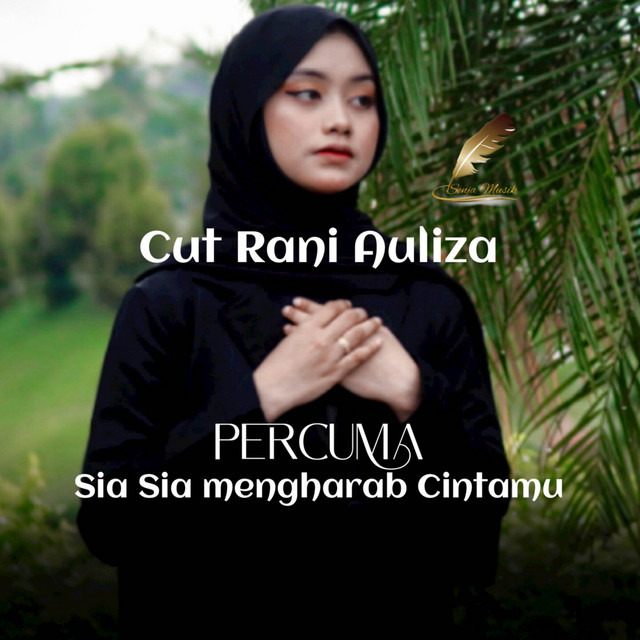
Cut Rani Auliza
Dangdut
Funkot
Fvnky Rimex
Download our mobile app
Get the Melodigging app and start digging for new genres on the go
Download on the App Store
Get it on Google Play
© 2026 Melodigging
Give feedback
Legal
Melodding was created as a tribute to
Every Noise at Once
, which inspired us to help curious minds keep digging into music's ever-evolving genres.