Genres
Artists
Albums
Make Music
Sign in
Sign in
Artists
Blues
Artists
Blues
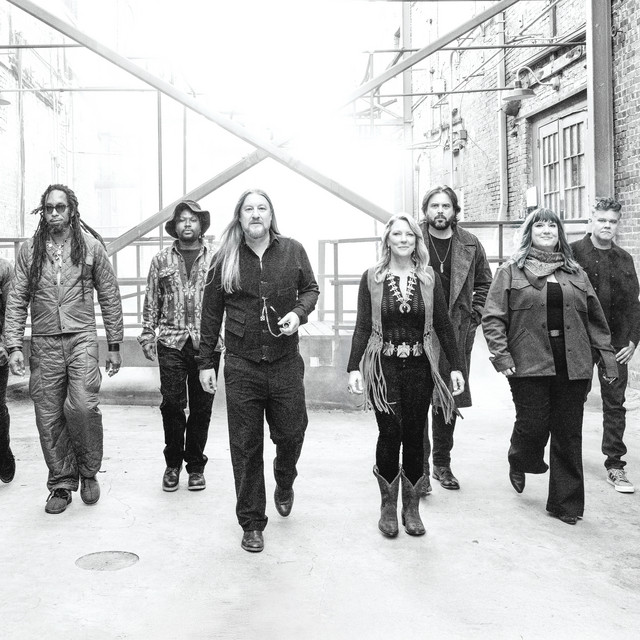
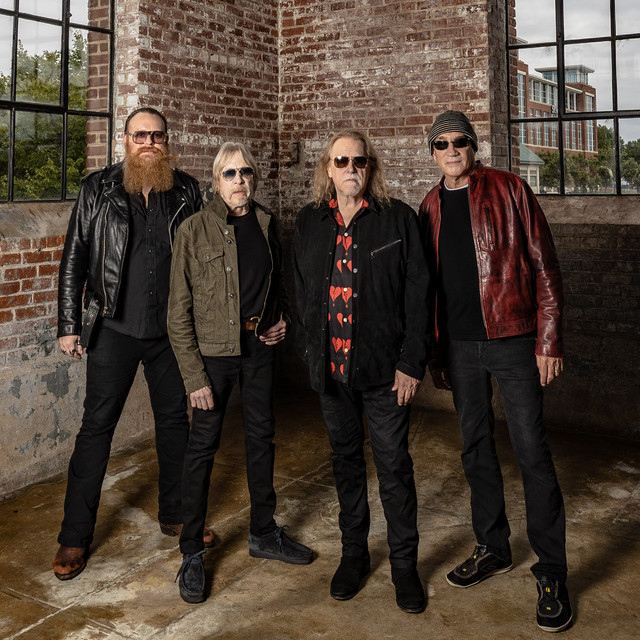
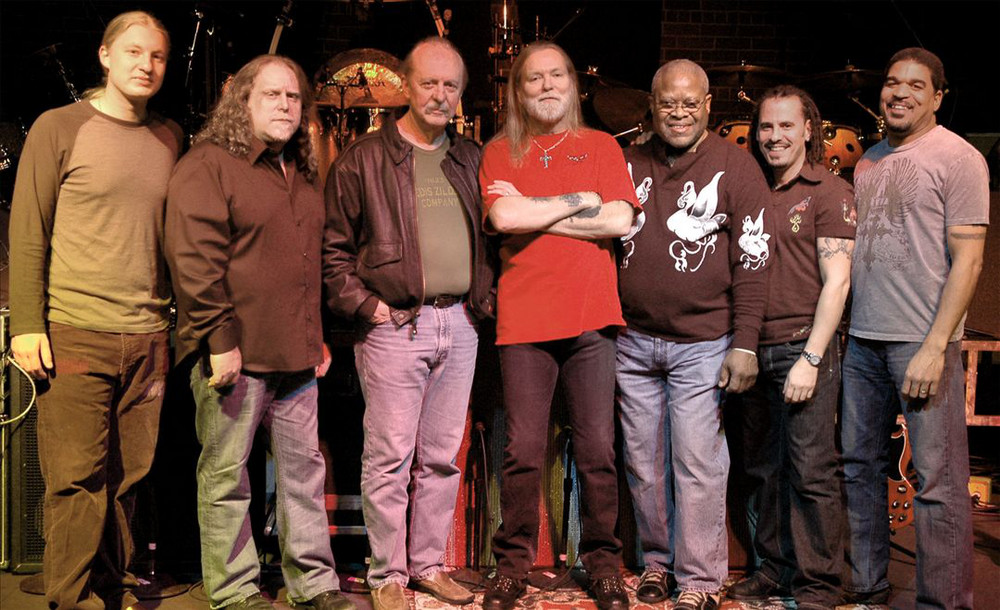
Tedeschi Trucks Band
2013–2019
·
2 albums
Listen
3
/5
Genres
The Wave
The Wave is a loosely defined cluster of American post-hardcore/emo bands that surged in the early 2010s as emo-pop’s mainstream moment faded. The name was a tongue‑in‑cheek scene tag that stuck in press coverage, but it points to a real overlap in sound, ethos, and touring networks. Musically, The Wave fuses the urgency of 1990s post‑hardcore and screamo with confessional, literate lyric writing associated with emo. Expect shouted or half‑sung/half‑spoken vocals, dynamic quiet‑loud builds, intricate but driving drums, and guitar textures that shift between glassy clean arpeggios and overdriven, emotive climaxes. The songs often emphasize catharsis, narrative detail, and community-minded DIY presentation.
Discover
Listen
Uk Americana
UK Americana is the British take on Americana’s blend of country, folk, blues, and roots rock, filtered through a distinctly UK songwriting sensibility. It keeps the genre’s hallmarks—acoustic-forward arrangements, road-worn storytelling, and organic, live-in-the-room production—while drawing on the British folk tradition’s modal colors, fingerstyle guitar, and understated vocal delivery. In practice, UK Americana favors close vocal harmonies, pedal steel or fiddle ornamentation, and rhythm sections that swing gently between train beats, shuffles, and waltzes. Lyrically it often exchanges American place-names and frontier mythos for British imagery—motorways, coastlines, terraced streets, and pub corners—creating songs that feel rooted, reflective, and quietly anthemic.
Discover
Listen
Connecticut Indie
Connecticut indie is a regional strain of U.S. indie rock that blends the heartfelt directness of emo-revival with the fuzzy guitars, DIY ethics, and adventurous textures of New England’s underground. Rooted in college-town and small-city scenes (Middletown, New Haven, Willimantic, Hartford), the sound swings between twinkly, lyrically confessional indie and louder, shoegaze- or noise-tinged guitar rock. You’ll hear gang-vocal catharsis, transparent production that favors live-room energy, and occasional orchestral or synth flourishes that reflect the area’s art-school and experimental leanings. While it is geographically defined, the micro-scene’s bands networked nationally through house shows, small labels, and online communities, making Connecticut indie both locally grounded and widely connected.
Discover
Listen
New Americana
New Americana is a 2010s wave of roots-informed indie that blends the songwriting and instrumentation of classic Americana with the hooks and production polish of contemporary pop and alternative rock. It typically features acoustic guitars, banjo or mandolin accents, warm vocal harmonies, and organic percussion, while also embracing modern elements like atmospheric pads, tasteful compression, and stadium-ready choruses. Lyrically, it favors intimate storytelling about place, identity, love, and resilience, often delivered with an earnest, nostalgic tone that balances hope with a soft melancholy. What distinguishes New Americana from classic Americana and 1990s alt-country is its streaming-era sheen, crossover sensibility, and a tendency to fuse roots textures with indie pop structures and festival-sized dynamics.
Discover
Listen
Modern Blues
Modern blues is a contemporary evolution of traditional and electric blues that embraces current songwriting, studio techniques, and cross-genre collaboration. It preserves the core blues vocabulary—blue notes, call-and-response phrasing, and 12‑bar and minor‑blues forms—while integrating elements of rock, soul, funk, and even pop and hip hop production. Sonically, modern blues favors saturated but articulate electric guitar tones, prominent backbeat drums, thick bass, and tasteful keys or organ. Lyrically it updates classic themes of struggle, love, resilience, and place with present-day imagery and personal storytelling. The result is a style that feels rooted and authentic yet radio- and festival-ready.
Discover
Listen
Southern Rock
Southern rock is a guitar-driven strain of American rock that emerged from the U.S. South, blending the grit of blues and the twang of country with the volume and swagger of rock. It is distinguished by twin-lead (often harmonized) guitars, prominent slide playing, boogie and shuffle grooves, and a live, jam-forward energy. Hammond B‑3 organ, piano, and rough-hewn, soulful vocals are common. Lyrically, it often explores working‑class life, regional identity, resilience, and the open road, while alternating between barroom stompers and expansive, improvisational epics.
Discover
Listen
Blues Rock
Blues rock is a guitar-driven style that fuses the raw feeling and 12‑bar structures of the blues with the power, volume, and rhythmic punch of rock. It emphasizes riff-based songs, pentatonic and blues-scale soloing, call‑and‑response between voice and guitar, and an expressive, often gritty vocal delivery. Typical ensembles are power trios (guitar, bass, drums) or quartet formats adding second guitar, keyboards, or harmonica, and performances commonly feature extended improvisation. Sonically, it favors overdriven tube-amp tones, sustained bends, vibrato, and dynamic contrasts, moving from shuffles and boogies to straight‑eighth rock grooves.
Discover
Listen
Blue-Eyed Soul
Blue‑eyed soul is a style of soul music performed primarily by white artists who adopt the vocal inflections, rhythmic feel, and arranging language of classic R&B and gospel. Emerging in the 1960s in the United States and the United Kingdom, it bridges Motown polish and Southern soul grit with pop‑oriented songwriting. Typical recordings feature impassioned lead vocals, stacked harmonies, backbeat‑driven rhythm sections, Hammond organ or electric piano, punchy horn lines, and occasionally lush strings. The result is radio‑friendly soul that retains emotional intensity while appealing to mainstream pop audiences. The label “blue‑eyed soul” has been used descriptively and sometimes controversially; it points to a sound rather than identity. Historically, however, it referred to white performers making music in a soul idiom.
Discover
Listen
Jam Band
Jam band is a rock-centered style defined by extended improvisation, fluid song structures, and live performance as the core creative medium. It blends elements of psychedelic rock, blues, jazz, country rock, folk rock, funk, and bluegrass, favoring modal grooves and open-ended forms over radio-length arrangements. Sets commonly feature segues between songs, dynamic builds and releases, and thematic development in real time—turning concerts into unique, unrepeatable experiences. Audience culture (taping, trading, and multi-night runs) and a festival ecosystem are integral to the genre’s identity, making the community as central as the repertoire.
Discover
Listen
Soul Blues
Soul blues is a hybrid of electric blues and Southern soul that foregrounds gospel-inflected vocals, horn-driven arrangements, and blues-based song forms. It typically features gritty, emotive singing over mid-tempo grooves, with Hammond organ, punchy horn stabs, and guitar fills weaving around I–IV–V progressions broadened by rich 7ths, 9ths, and 13ths. Lyrically, it focuses on love, heartbreak, resilience, and real-life struggles, delivered with the testifying fervor of the church and the storytelling directness of the blues.
Discover
Listen
Rock
Rock is a broad family of popular music centered on amplified instruments, a strong backbeat, and song forms that foreground riffs, choruses, and anthemic hooks. Emerging from mid‑20th‑century American styles like rhythm & blues, country, and gospel-inflected rock and roll, rock quickly expanded in scope—absorbing folk, blues, and psychedelic ideas—while shaping global youth culture. Core sonic markers include electric guitar (often overdriven), electric bass, drum kit emphasizing beats 2 and 4, and emotive lead vocals. Rock songs commonly use verse–chorus structures, blues-derived harmony, and memorable melodic motifs, ranging from intimate ballads to high‑energy, stadium‑sized performances.
Discover
Listen
Blues
Blues is an African American musical tradition defined by expressive "blue notes," call-and-response phrasing, and a characteristic use of dominant-seventh harmony in cyclical song forms (most famously the 12‑bar blues). It is as much a feeling as a form, conveying sorrow, resilience, humor, and hard-won joy. Musically, blues commonly employs the I–IV–V progression, swung or shuffled rhythms, and the AAB lyric stanza. Melodies lean on the minor/major third ambiguity and the flattened fifth and seventh degrees. Core instruments include voice, guitar (acoustic or electric), harmonica, piano, bass, and drums, with slide guitar, bends, and vocal melismas as signature techniques. Over time the blues has diversified into regional and stylistic currents—Delta and Piedmont country blues, urban Chicago and Texas blues, West Coast jump and boogie-woogie—while profoundly shaping jazz, rhythm & blues, rock and roll, soul, funk, and much of modern popular music.
Discover
Listen
Show all 12 genres
Albums
2019
3
/5
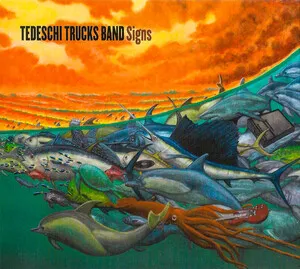
Signs
Tedeschi Trucks Band
Soul Blues
Blues
Blues Rock
2013
3
/5
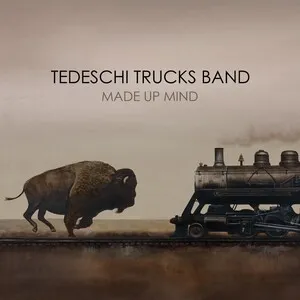
Made Up Mind
Tedeschi Trucks Band
Blue-Eyed Soul
Similar artists
3
/5
Gov't Mule
Southern Rock
Blues Rock
Jam Band
1
/5
Various Artists
Afro-Funk
Alternative Rock
Ambient
5
/5
The Rolling Stones
Rock
Blues Rock
Hard Rock
4
/5
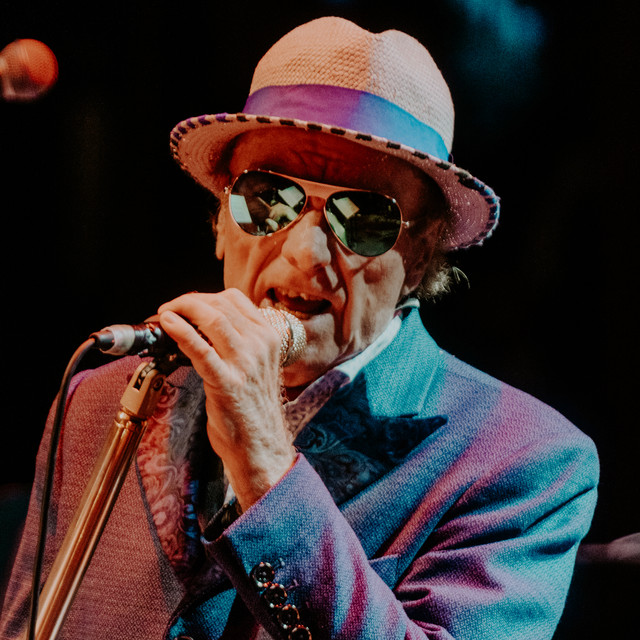
Van Morrison
Folk Rock
Folk
Rock
3
/5
The Marcus King Band
Blues
Blues Rock
Modern Blues
2
/5
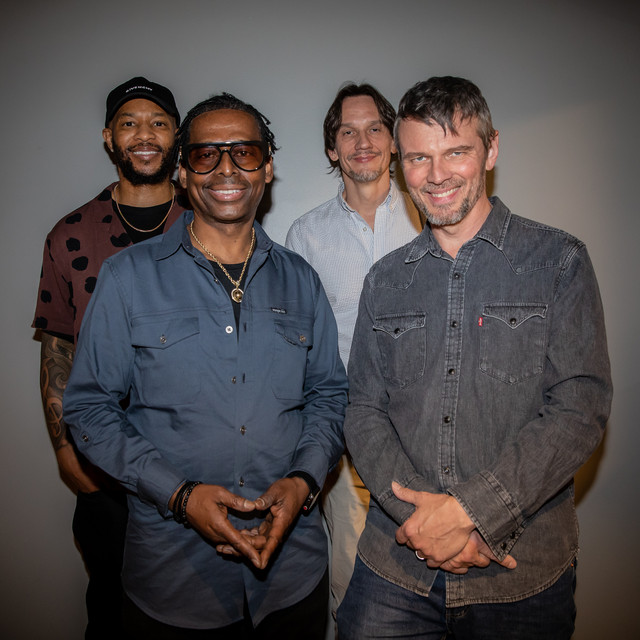
North Mississippi Allstars
Blues
Blues Rock
Hill Country Blues
3
/5
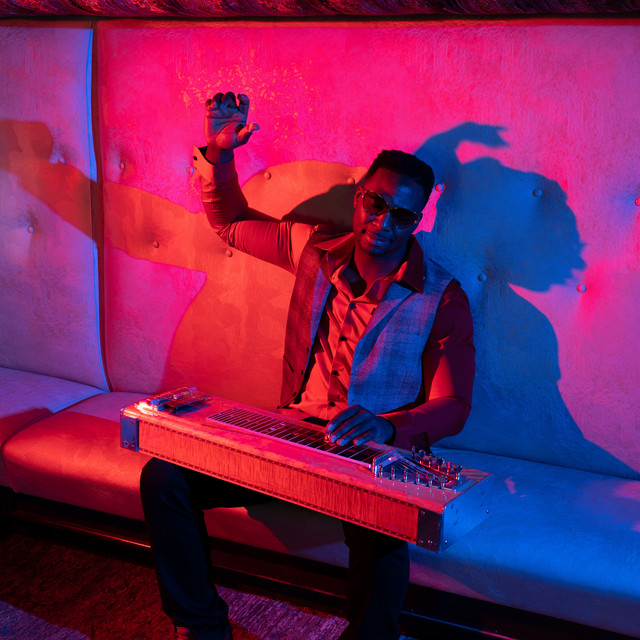
Robert Randolph & The Family Band
Sacred Steel
Blues
Rock
4
/5
Allman Brothers Band
Southern Rock
Blues Rock
Jam Band
3
/5
JJ Grey & Mofro
Blues
Blues Rock
Jam Band
4
/5
Elvis Presley
Rock And Roll
Rockabilly
Pop
Download our mobile app
Get the Melodigging app and start digging for new genres on the go
Download on the App Store
Get it on Google Play
© 2026 Melodigging
Give feedback
Legal
Melodding was created as a tribute to
Every Noise at Once
, which inspired us to help curious minds keep digging into music's ever-evolving genres.