Genres
Artists
Albums
Make Music
Sign in
Sign in
Artists
Native American Music
Artists
Native American Music
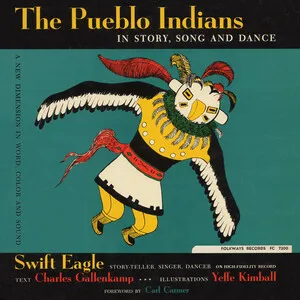
Swift Eagle
1955
·
1 album
Listen
1
/5
Genres
Spoken Word
Spoken word is a performance-centered genre where text—poems, monologues, stories, or manifestos—is delivered aloud with musicality in voice rather than through singing. It may be entirely a cappella or accompanied by sparse instrumentation (often jazz combos, ambient textures, or minimal electronics) that frames the cadence and rhetoric of the performer. The emphasis is on language: prosody, pacing, imagery, and argument. Pieces often explore personal narratives, social critique, and political themes, drawing on techniques such as internal rhyme, alliteration, and repetition. While recordings exist, the tradition is fundamentally live, prioritizing immediacy, audience engagement, and oratorical presence.
Discover
Listen
Traditional Folk
Traditional folk is a broad umbrella for orally transmitted songs and dance tunes that circulated in rural and working-class communities before the age of mass recording. Repertoires include narrative ballads, laments, love songs, work songs, lullabies, and instrumental dance sets such as reels, jigs, hornpipes, and marches. Stylistically, traditional folk favors strophic forms, pentatonic or modal melodies (often Dorian and Mixolydian), limited harmonic movement, and strong, memorable tunes designed for communal singing and dancing. Performances range from unaccompanied solo voice to small ensembles built around fiddle, flute/whistle, pipes, concertina/accordion, guitar, banjo, and frame drum. Ornamentation, variation by verse, and flexible tempo are integral, reflecting an oral tradition where songs live through continual reinterpretation. Although it is pan‑regional, the modern idea of “traditional folk” coalesced in the 19th century through collectors and revivalists who documented vernacular music and framed it as cultural heritage.
Discover
Listen
Folktales
Folktales is a narrative-focused audio genre rooted in traditional oral storytelling. Performances typically feature a single narrator delivering culturally transmitted stories—myths, legends, trickster tales, and wonder tales—often with minimal or no musical accompaniment. Unlike literary fairy tales, folktales arise from communal authorship and evolve through retellings. In recorded form, they emphasize voice, pacing, formulaic openings and closings, repetition, and audience engagement. While many releases target children, folktale recordings also serve adult audiences, preserving dialects, proverbs, and worldview across communities.
Discover
Listen
Native American Music
Native American music encompasses the diverse vocal and instrumental traditions of the Indigenous peoples of North America. It is primarily voice-centered, with communal singing supported by large powwow drums, hand/frame drums, water drums, rattles, and the Native American flute. Melodies often use pentatonic or anhemitonic scales and feature terraced (descending) contour, vocables (non-lexical syllables) alongside texts in Indigenous languages, and cyclic repetition in sets of 4 (reflecting cultural symbolism). Music serves ceremonial, social, healing, and storytelling functions, and is inseparable from dance and regalia. While distinct regional styles exist (Plains powwow, Southwestern Pueblo/Navajo, Great Basin, Northwest Coast polyphony, Inuit throat singing, Southeastern stomp dance traditions), all emphasize community participation, spiritual intention, and strong rhythmic grounding. Contemporary scenes range from traditional powwow and peyote songs to modern fusions that respect traditional aesthetics while engaging new forms.
Discover
Listen
Pueblo Music
Pueblo music refers to the ceremonial, social, and seasonal song traditions of the Pueblo peoples of the American Southwest, including Hopi, Zuni, Keres, Tewa, Tiwa, and Towa communities. It is characterized by group singing with antiphonal (leader–chorus) textures, steady drum pulses, extensive use of vocables, and limited pitch sets with terraced-descending melodic contours. Gourd and turtle-shell rattles, large skin drums, ankle/leg bells, and occasional flutes and whistles accompany dances tied to agricultural cycles, kachina/katcina ceremonies, and community rites. Songs are inseparable from dance and ritual context, featuring long strophic forms, sectional repetitions, and rhythmic designs aligned to choreography. While resiliently pre-contact in core aesthetics and function, Pueblo music has adapted locally over centuries while preserving strict cultural protocols.
Discover
Listen
Albums
1955
1
/5
The Pueblo Indians in Story, Song and Dance
Swift Eagle
Pueblo Music
Folktales
Similar artists
2
/5
Tenzin Choegyal
Spoken Word
Traditional Folk
Avant-Garde
2
/5
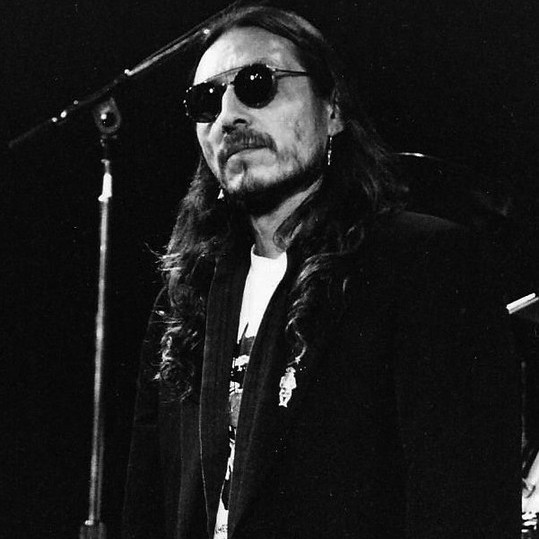
John Trudell
Native American Music
Spoken Word
1
/5
Simitrio Mejía
Native American Music
Spoken Word
1
/5
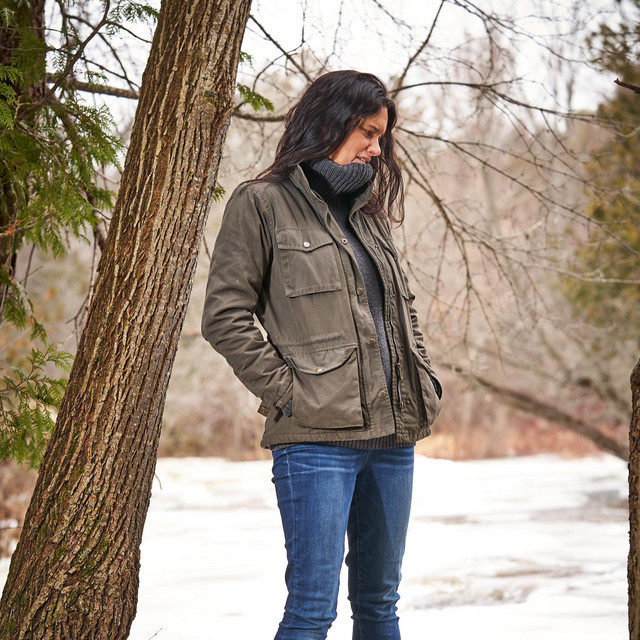
Leanne Betasamosake Simpson
Native American Music
Spoken Word
1
/5
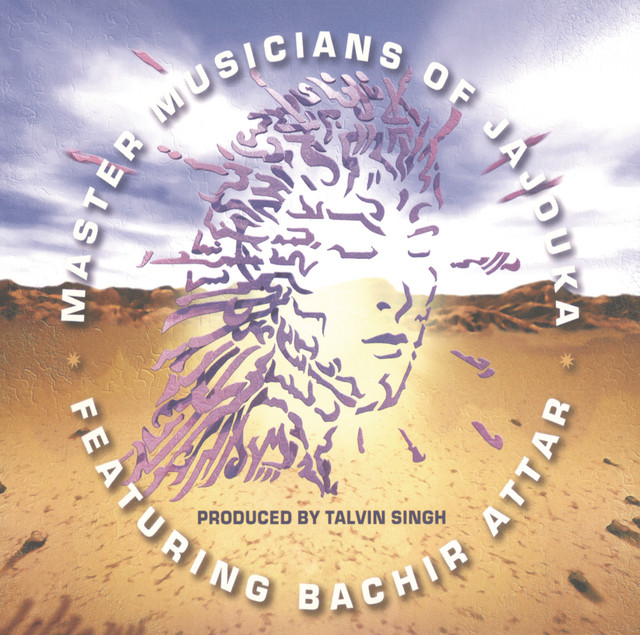
The Master Musicians Of Jajouka
Arabic Folk Music
Gnawa
Spoken Word
1
/5
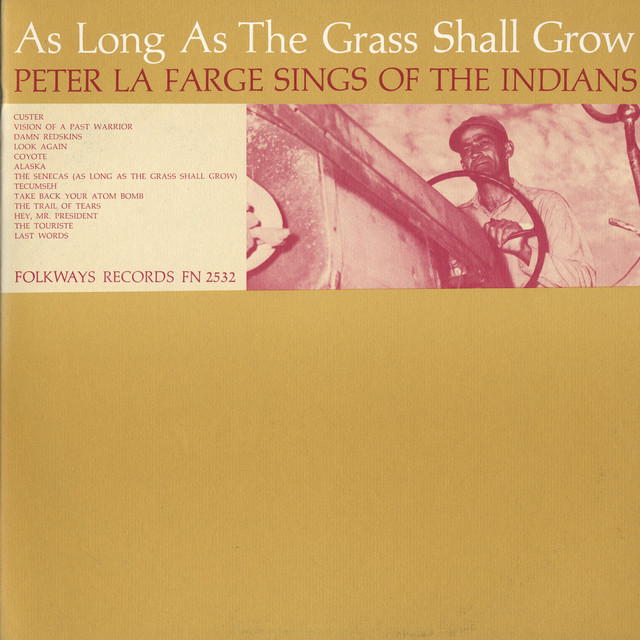
Peter La Farge
Folk
Native American Music
Traditional Folk
1
/5
José Maximino Mejía
Native American Music
Spoken Word
1
/5
Margaret Knight
Celtic
Native American Music
Traditional Folk
1
/5
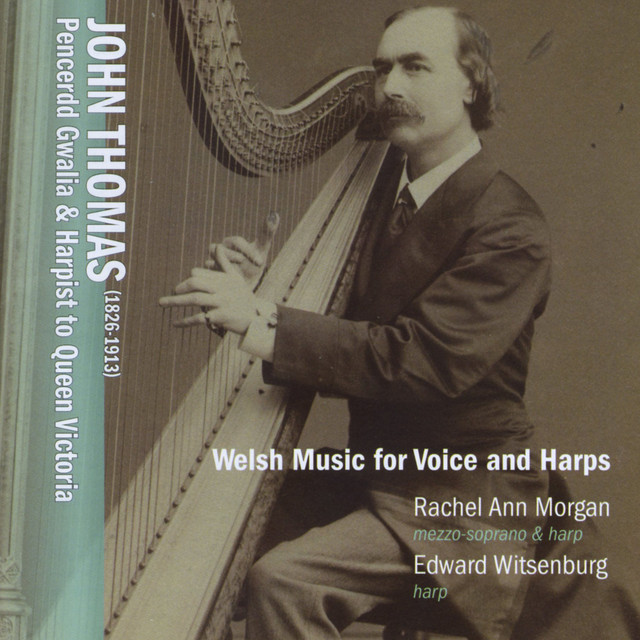
Rachel Ann Morgan
Spoken Word
Traditional Folk
1
/5
Unidentified Navajo singers
Native American Music
Traditional Folk
Download our mobile app
Get the Melodigging app and start digging for new genres on the go
Download on the App Store
Get it on Google Play
© 2026 Melodigging
Give feedback
Legal
Melodding was created as a tribute to
Every Noise at Once
, which inspired us to help curious minds keep digging into music's ever-evolving genres.