Genres
Artists
Albums
Make Music
Sign in
Sign in
Artists
Dancehall
Artists
Dancehall
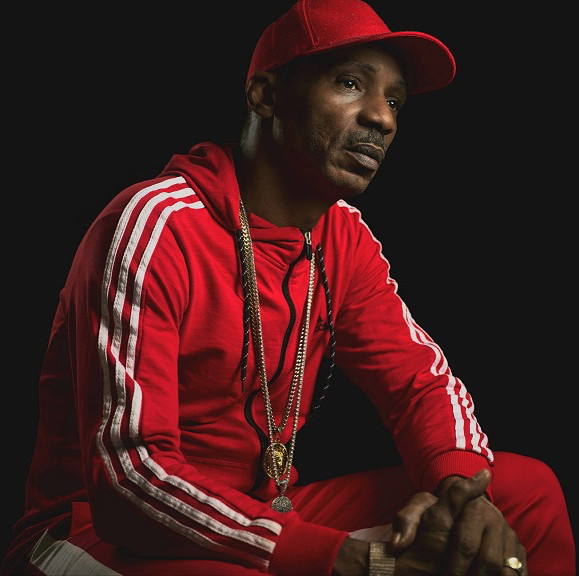
Super Cat
1992–2012
·
3 albums
Listen
3
/5
Genres
Deep Southern Trap
Deep southern trap is a moody, bass-forward branch of Southern U.S. trap distinguished by subterranean 808 subs, sparse but hard-hitting drums, and minor-key, cinematic textures. It places atmosphere and low‑end pressure at the center, often pairing sliding 808s with ominous pads, bells, or plucked synths that leave ample space for the vocal. The tempo typically sits around 60–75 BPM (or 120–150 BPM double‑time), with half‑time bounce, triplet hi‑hat rolls, and tightly quantized snares/claps. Lyrically it ranges from street reportage and survival narratives to introspective, codeine‑slow melancholia—punctuated by ad‑libs and heavily processed vocals. The overall aesthetic is dark, weighty, and immersive, optimized as much for car systems as for headphones.
Discover
Listen
Old School Dancehall
Old school dancehall is the formative era of Jamaica’s dancehall, spanning the late 1970s through the early-to-mid 1990s. It grew out of sound-system culture and the shift from roots reggae’s band-centric, message-heavy approach toward leaner, bass-forward "riddims" designed for toasting (MCing) and crowd control. Early old school dancehall (often called "rub‑a‑dub") centered on live bands like Roots Radics driving minimalist, heavy drum-and-bass grooves, over which deejays delivered rhythmic, improvisatory chants in Jamaican patois. By 1985, the scene pivoted to digital with Wayne Smith’s "Sleng Teng" riddim, bringing drum machines and cheap keyboards into the dance. Lyrically, old school dancehall ranges from party-starting braggadocio, dancing instructions, and witty clash talk to topical commentary. Sonically, it emphasizes a sparse mix with offbeat skank, big subs, and dub-inspired delay and reverb—purpose-built for massive sound systems and a responsive, dancing crowd.
Discover
Listen
Ragga
Ragga (short for raggamuffin) is a digital-era branch of Jamaican dancehall that foregrounds electronic rhythms, heavy sub‑bass, and rapid‑fire toasting in Jamaican Patois. It typically uses drum machines, sampled or synthesized basslines, and minimal harmonic movement, creating spacious, hard‑hitting “riddims” over which multiple deejays deliver contrasting versions. The style crystallized in the mid‑1980s after the pivotal “Sleng Teng” riddim popularized fully digital production, ushering in a new sound that was simultaneously streetwise, club‑ready, and globally exportable. Lyrically, ragga ranges from party‑starting “slackness” and braggadocio to social commentary, and its vocal delivery combines singing, chanting, and MC‑style flows.
Discover
Listen
Digital Dancehall
Digital dancehall is the computer‑driven evolution of Jamaican dancehall that emerged in the mid‑1980s, when riddims began to be built almost entirely with drum machines and synthesizers instead of live bands. It is defined by stripped‑down, syncopated drum patterns, heavy sub‑bass, bright digital stabs and horn hits, and a minimalist, loop‑centered approach to harmony. Vocals range from gruff, rapid‑fire toasting to melodic singjay styles delivered in Jamaican patois, often addressing party culture, street life, slackness, and social commentary. Typical tempos sit around 85–100 BPM, leaving space for the deejay to ride the riddim with rhythmic precision. Production leans on crisp, quantized drums (influenced by early digital gear) and creative use of delay and reverb inherited from dub, while the focus remains on the riddim as a reusable backbone for multiple vocal versions.
Discover
Listen
Dancehall
Dancehall is a Jamaican popular music style built around bass‑heavy, groove‑centric riddims and the vocal art of chatting or singjaying in Jamaican Patois. It emphasizes direct, energetic delivery, call‑and‑response hooks, and a party‑forward attitude, while also leaving space for sharp social commentary and witty wordplay. The genre is fundamentally riddim‑based: producers release instrumental tracks (riddims) that many different vocalists "voice" with their own songs. This culture encourages competitive creativity, rapid evolution of styles, and a constant stream of new versions. Tempos typically sit in the midtempo range, with syncopated kicks and snares and prominent sub‑bass. Since the mid‑1980s, digital drum machines and synths have defined much of dancehall’s sound, though live instrumentation and hybrid production are common too.
Discover
Listen
Hip Hop
Hip hop is a cultural and musical movement that emerged from Black, Latino, and Caribbean communities, centering around rapping (MCing), DJing/turntablism, sampling-based production, and rhythmic speech over beats. It prioritizes groove, wordplay, and storytelling, often reflecting the social realities of urban life. Musically, hip hop is built on drum-centric rhythms (from breakbeats to 808 patterns), looped samples, and bass-forward mixes. Lyrically, it ranges from party anthems and braggadocio to political commentary and intricate poetic forms, with flow, cadence, and rhyme density as core expressive tools. Beyond music, hip hop encompasses a broader culture, historically intertwined with graffiti, b-boying/b-girling (breakdance), fashion, and street entrepreneurship, making it both an art form and a global social language.
Discover
Listen
Reggae
Reggae is a popular music genre from Jamaica characterized by a laid-back, syncopated groove, prominent bass lines, and steady offbeat “skank” guitar or keyboard chords. The rhythmic core often emphasizes the third beat in a bar (the “one drop”), creating a spacious, rolling feel that foregrounds bass and drums. Typical instrumentation includes drum kit, electric bass, rhythm and lead guitars, keyboards/organ (notably the Hammond and the percussive "bubble"), and often horn sections. Tempos generally sit around 70–80 BPM (or 140–160 BPM felt in half-time), allowing vocals to breathe and messages to be clearly delivered. Lyrically, reggae ranges from love songs and everyday storytelling to incisive social commentary, resistance, and spirituality, with Rastafarian culture and language (e.g., “I and I”) playing a central role in many classic recordings. Studio production techniques—spring reverbs, tape delays, and creative mixing—became signature elements, especially through dub versions that strip down and reimagine tracks.
Discover
Listen
Show all 7 genres
Albums
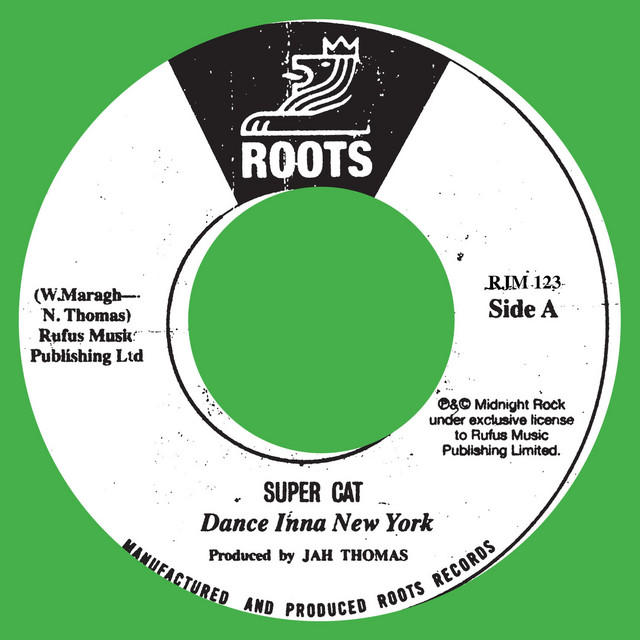
2012
1
/5
Dance Inna New York
Super Cat
Old School Dancehall
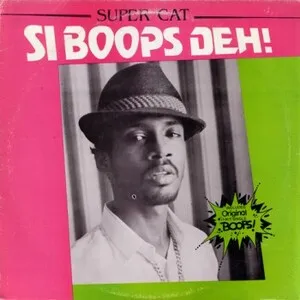
1995
1
/5
Si Boops Deh
Super Cat
Digital Dancehall
1992
3
/5
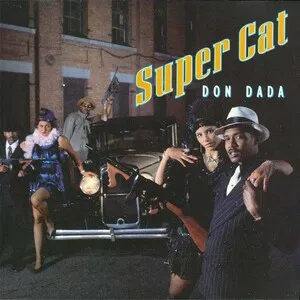
Don Dada
Super Cat
Digital Dancehall
Ragga
Dancehall
Similar artists
3
/5
Half Pint
Old School Dancehall
Dancehall
Lovers Rock
2
/5
Nitty Gritty
Dancehall
Digital Dancehall
Dub
2
/5
Wayne Smith
Dancehall
Ragga
Reggae
1
/5
Anthony Red Rose
Dancehall
Reggae
Digital Dancehall
3
/5
Cutty Ranks
Ragga
Dancehall
Jungle
3
/5
Yellowman
Dancehall
Reggae
Deejay
3
/5
Lexxus
Old School Dancehall
Basshall
Dancehall
2
/5
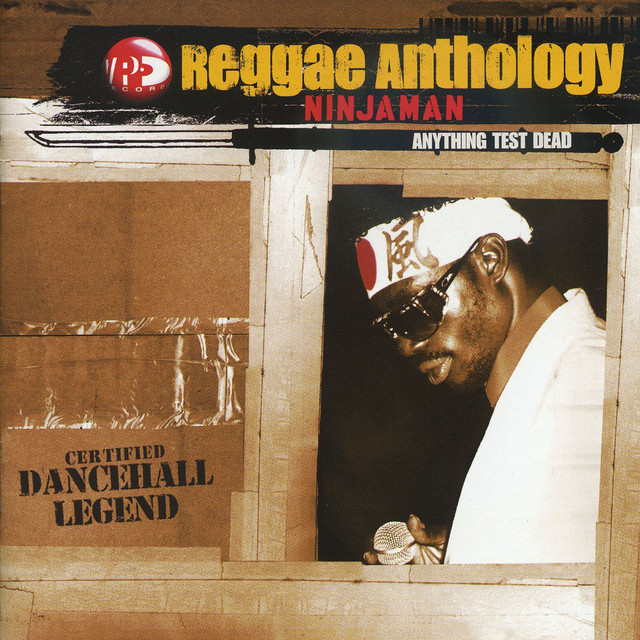
Ninjaman
Old School Dancehall
Dancehall
Jungle
3
/5
Sanchez
Old School Dancehall
Dancehall
Lovers Rock
3
/5
King Kong
Reggae
Digital Dancehall
Dub
Download our mobile app
Get the Melodigging app and start digging for new genres on the go
Download on the App Store
Get it on Google Play
© 2026 Melodigging
Give feedback
Legal
Melodding was created as a tribute to
Every Noise at Once
, which inspired us to help curious minds keep digging into music's ever-evolving genres.