Genres
Artists
Albums
Make Music
Sign in
Sign in
Artists
Chill Abstract Hip Hop
Artists
Chill Abstract Hip Hop
Spoek Mathambo
2010–2017
·
2 albums
Listen
2
/5
Genres
Chill Abstract Hip Hop
Chill abstract hip hop is a downtempo, largely instrumental branch of abstract hip hop that prioritizes mood, space, and texture over virtuosic rapping or hard-edged beats. Characterized by swung, half-time grooves around 70–90 BPM, jazzy extended chords, vinyl crackle, tape hiss, and warm, dusty sampling, it blends boom-bap drum sensibilities with ambient and downtempo atmosphere. The result is contemplative, mellow, and cinematic—music often used for studying, reading, or late-night reflection. Production typically features Rhodes, nylon-string guitar, upright bass, brushed snares, and chopped Rhodes/piano or soul-jazz samples, occasionally accented by soft vocal snippets rather than full verses. While it overlaps with lo-fi hip hop and trip hop, it tends to be more harmonically nuanced than pure “study beats” and more minimal and meditative than classic jazz-rap.
Discover
Listen
Kwaito
Kwaito is a South African dance music style that emerged in early- to mid-1990s Johannesburg, defined by slowed-down house grooves, heavy sub-bass, chant-like vocals, and township slang. It blends the four-on-the-floor pulse of house with the call-and-response energy of street culture, drawing on local styles like township jive and mbaqanga as well as global currents such as hip hop and dancehall. The lyrics often celebrate everyday township life, fashion, parties, and post-apartheid freedom, while some artists fold in social commentary. Sonically, kwaito is minimalist and hypnotic: simple chord vamps, catchy synth stabs, whistles, handclaps, and congas carry mid-tempo beats around 95–110 BPM. Its relaxed swagger and communal chants made it both club-friendly and radio-ready, turning it into a defining sound of 1990s and 2000s urban South Africa.
Discover
Listen
Afro House
Afro house is a subgenre of house music that took shape in South Africa in the 1990s. It blends classic house’s 4/4 pulse with African rhythmic sensibilities, emphasizing hand percussion such as congas, bongos, shakers and djembe alongside warm basslines and steadily dancing kick drums. Tracks often sit around 118–124 BPM and lean into hypnotic, polyrhythmic grooves, soulful harmonies, and an organic, spiritual atmosphere. Producers commonly use piano, saxophone, synthesizers, marimba/kalimba and rich pads, while vocals appear in a variety of African languages in call‑and‑response or chantlike phrases. The result is music that feels both deeply communal and club‑ready, equally at home on outdoor dance floors and late‑night sets.
Discover
Listen
Electronica
Electronica is a broad, largely 1990s umbrella term for a spectrum of electronic music crafted as much for immersive, album‑oriented listening as for clubs and raves. It gathers elements from techno, house, ambient, breakbeat, IDM, and hip hop production, emphasizing synthesizers, drum machines, samplers, and studio experimentation. The sound can range from downtempo and atmospheric to hard‑hitting and breakbeat‑driven, but it typically foregrounds sound design, texture, and mood over strict dance‑floor utility. In the mid‑to‑late 1990s the term was used by labels and press—especially in the United States—to market and introduce diverse electronic acts to mainstream rock and pop audiences.
Discover
Listen
Kuduro
Kuduro is a high-energy dance music and street culture that originated in Angola in the late 1980s and early 1990s. Its name comes from Angolan Portuguese, roughly meaning “hard butt,” a playful reference to the explosive, physically demanding dance moves and the hard-hitting, percussive beats that drive the style. Musically, kuduro fuses local Angolan rhythms with electronic dance music, hip hop, ragga/dancehall, and Caribbean influences like soca and zouk. Tracks typically sit around 140–150 BPM, feature pounding, syncopated kick patterns, claps on off-beats, chopped vocal shouts, sirens, and whistle FX. Harmony is sparse or loop-based; the focus is on rhythm, call-and-response MCing (in Portuguese and local languages), and relentless forward motion tailored for dance battles and street parties.
Discover
Listen
Electro
Electro is an early 1980s machine-funk style built around drum machines (especially the Roland TR-808), sequenced basslines, and a futuristic, robotic aesthetic. It emphasizes syncopated rhythms, sparse arrangements, and timbres drawn from analog and early digital synthesizers. Vocals, when present, are often delivered via vocoder or rap-style chants, reinforcing a sci‑fi, cyborg persona. Electro’s grooves powered breakdance culture, and its sonic palette—crisp 808 kicks, snappy snares, dry claps, cowbells, and squelchy bass—became foundational to later techno and bass music.
Discover
Listen
Techno
Techno is a four-on-the-floor, machine-driven form of electronic dance music that emerged in mid-to-late 1980s Detroit. It is characterized by steady 4/4 kick drums, repetitive and hypnotic rhythmic patterns, synthetic timbres, and an emphasis on texture, groove, and forward momentum over elaborate harmony. Producers typically use drum machines, sequencers, and synthesizers to build layered percussion, pulsing basslines, and evolving motifs. While often dark and minimalistic, techno spans a wide spectrum—from soulful, futuristic Detroit aesthetics to hard, industrially tinged European strains—yet it consistently prioritizes kinetic energy for dancefloors and a sense of machine futurism.
Discover
Listen
Hip Hop
Hip hop is a cultural and musical movement that emerged from Black, Latino, and Caribbean communities, centering around rapping (MCing), DJing/turntablism, sampling-based production, and rhythmic speech over beats. It prioritizes groove, wordplay, and storytelling, often reflecting the social realities of urban life. Musically, hip hop is built on drum-centric rhythms (from breakbeats to 808 patterns), looped samples, and bass-forward mixes. Lyrically, it ranges from party anthems and braggadocio to political commentary and intricate poetic forms, with flow, cadence, and rhyme density as core expressive tools. Beyond music, hip hop encompasses a broader culture, historically intertwined with graffiti, b-boying/b-girling (breakdance), fashion, and street entrepreneurship, making it both an art form and a global social language.
Discover
Listen
Pop
Pop is a broad, hook-driven style of popular music designed for wide appeal. It emphasizes memorable melodies, concise song structures, polished vocals, and production intended for radio, charts, and mass media. While pop continually absorbs elements from other styles, its core remains singable choruses, accessible harmonies, and rhythmic clarity. Typical forms include verse–pre-chorus–chorus, frequent use of bridges and middle-eights, and ear-catching intros and outros. Pop is not defined by a single instrumentation. It flexibly incorporates acoustic and electric instruments, drum machines, synthesizers, and increasingly digital production techniques, always in service of the song and the hook.
Discover
Listen
Show all 9 genres
Albums
2017
1
/5
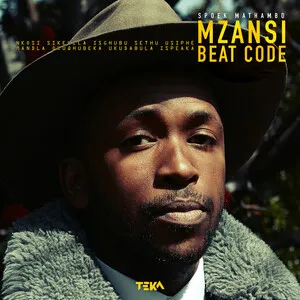
Mzansi Beat Code
Spoek Mathambo
Kwaito
Afro House
2010
1
/5
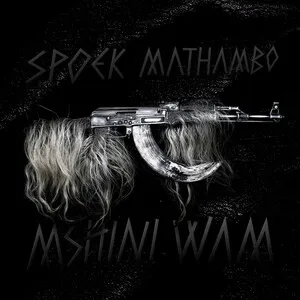
Mshini Wam
Spoek Mathambo
Kwaito
Similar artists
3
/5
DJ Malvado
Afro House
Afro Tech
Kizomba
3
/5
DODDY
Afro House
Kizomba
Kuduro
3
/5
DJ Aka-m
Afro House
Kizomba
Kuduro
3
/5
Heavy-K
Kwaito
3-Step
Afro House
3
/5
Filho do Zua
Afro House
Compas
Kizomba
3
/5
Studio Bros
Afro House
Basshall
Guaracha
3
/5
CAMPIRA
Afro House
Afro Tech
Afrobeats
3
/5
Mano Chaba
Candombe
Afro House
Kuduro
3
/5
Danni Gato
Afro House
Afro Tech
Basshall
3
/5
Uhuru
Afro House
Afrobeat
Amapiano
Download our mobile app
Get the Melodigging app and start digging for new genres on the go
Download on the App Store
Get it on Google Play
© 2026 Melodigging
Give feedback
Legal
Melodding was created as a tribute to
Every Noise at Once
, which inspired us to help curious minds keep digging into music's ever-evolving genres.