Genres
Artists
Albums
Make Music
Sign in
Sign in
Artists
Bubblegum Pop
Artists
Bubblegum Pop
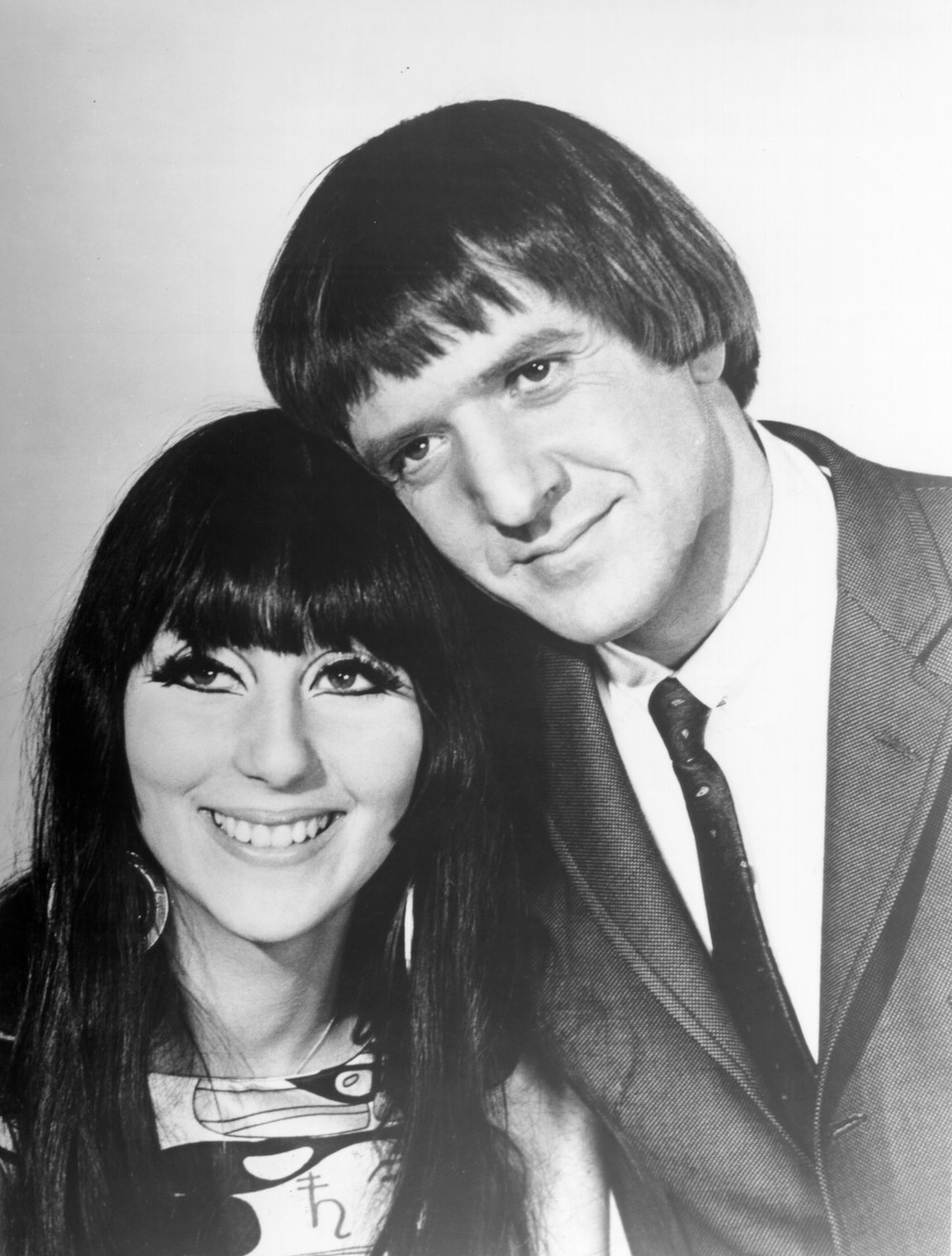
Sonny & Cher
1972
·
1 album
Listen
3
/5
Genres
Pov: Indie
"pov: indie" is a social-media-native microstyle built around short, cinematic indie-pop/indie-rock snippets designed to accompany a first-person (POV) narrative. Instead of being defined by a single new musical technique, it is defined by context: the music is chosen or written to feel like the soundtrack to a specific moment (a crush, a late-night walk, moving to a new city, seasonal nostalgia). Sonically it typically uses bright but soft guitars or synths, intimate vocals, simple memorable hooks, and production that reads clearly on phone speakers. The emotional tone is often wistful, tender, and “coming-of-age,” with lyrics that can be understood quickly in a 10–30 second clip.
Discover
Listen
Bubblegum Pop
Bubblegum pop is an upbeat, hook-saturated strain of pop music engineered for immediate catchiness and mass youth appeal. It favors short songs, simple melodies, bright major-key harmonies, handclaps, sing-along choruses, and playful onomatopoeia or nonsense syllables (la-la, na-na, sha-la-la). Typical productions use clean, jangly guitars, tambourines, tambourine-like percussion, and sweet backing vocals, often performed by session musicians working under producer-driven studio projects. Lyrically it is lighthearted and G-rated, centering on teen romance, dancing, and fun; musically it sits between early rock and roll, Brill Building pop, girl-group stylings, and a sprinkle of psychedelic color. The sound was designed for radio singles, TV tie-ins, and merchandising, making it one of the earliest consciously “manufactured” pop subgenres.
Discover
Listen
Baroque Pop
Baroque pop is a mid‑1960s fusion of contemporary pop/rock songwriting with the timbres, textures, and contrapuntal techniques of Baroque and broader European classical music. It is marked by harpsichord and piano doubling, string quartets or small orchestras, woodwinds (oboe, recorder, bassoon), French horn and piccolo trumpet colors, and melody‑forward arrangements that favor counter‑melodies and suspensions over riff‑based accompaniment. Harmonies tend to be richer than standard rock, with chromatic voice‑leading, circle‑of‑fifths motion, deceptive cadences, and occasional modulations. Production is usually lush and reverberant, supporting reflective, often nostalgic or romantic lyrics. Although it overlaps with orchestral pop and psychedelic pop, baroque pop is distinguished by its chamber‑scale instrumentation, Baroque idioms (basso continuo feel, ornamented lines), and the way classical elements are woven into compact pop song forms.
Discover
Listen
Folk Pop
Folk pop is a commercially friendly blend of traditional folk sensibilities and modern pop songwriting. It preserves the acoustic instrumentation, close harmonies, and storytelling of folk while adopting pop structures, memorable hooks, and radio-ready production. The genre is marked by clear vocals, singalong choruses, and warm, organic textures built around acoustic guitar, light percussion, and sometimes banjo, mandolin, or strings. Lyrically it is personal and narrative-driven, often touching on love, memory, place, and everyday life in a direct and relatable way.
Discover
Listen
Pop Soul
Pop soul is a crossover style that blends the emotive vocals, gospel-rooted harmonies, and backbeat of soul music with the concise song forms, catchy hooks, and polished production of mainstream pop. It emphasizes memorable choruses, smooth lead vocals, tight background harmonies, and radio-friendly arrangements designed for broad appeal. The sound is often defined by a crisp rhythm section, tambourine on the backbeat, melodic bass lines, piano/organ comping, handclaps, and lush string or horn arrangements. Originating with the Motown hit-making model, pop soul prized sophisticated songwriting and sleek studio craft that could connect equally on the dance floor and the pop charts.
Discover
Listen
Sunshine Pop
Sunshine pop is a lush, harmony-rich strain of 1960s pop that foregrounds radiant melodies, stacked vocals, and orchestral color. It embraces optimism and breezy sophistication, often pairing bright major-key hooks with refined arrangements featuring strings, woodwinds, brass, and shimmering percussion. Stylistically it sits between baroque pop and the lighter side of psychedelic pop: less about mind-expanding experimentation and more about feel-good euphoria, California imagery, and immaculate studio craft. Clean guitars, harpsichord, vibraphone, and glockenspiel are common, as are upward key changes, major-seventh chords, and close-voiced harmonies. Beneath the sunniness, many recordings carry a tender, wistful undercurrent that gives the music depth.
Discover
Listen
Rock And Roll
Rock and roll is a high-energy, dance-oriented popular music style that emerged in the United States in the early-to-mid 1950s. It fuses the 12‑bar blues and boogie‑woogie with the backbeat and instrumentation of rhythm & blues, the twang and storytelling of country, and the fervor of gospel. Its hallmark sound centers on a strong backbeat (accented on beats 2 and 4), driving rhythm sections, electric guitar riffs, prominent piano or saxophone leads, and catchy, chorus-forward songwriting. Typical harmonies revolve around I–IV–V progressions, often in 12-bar form, with swung or shuffle feels and punchy turnarounds. Culturally, rock and roll catalyzed a youth movement linked to dancing, teen identity, and social change. It bridged racial audiences by popularizing Black American musical traditions for mainstream listeners, and it laid the foundation for subsequent rock styles and much of modern pop.
Discover
Listen
Rockabilly
Rockabilly is one of the earliest styles of rock and roll, fusing the twang and storytelling of Southern country ("hillbilly") with the driving backbeat and boogie of rhythm & blues and jump blues. It is marked by slap‑back echo on vocals and guitar, slapping upright bass, twangy hollow‑body electrics, and energetic, danceable grooves. The classic rockabilly sound emerged from mid‑1950s Memphis studios such as Sun Records, where minimal drum kits (or none at all) mixed with percussive bass and bright, overdriven guitars. Songs are typically short, hooky, and built on 12‑bar blues or simple I–IV–V progressions, with lyrics about love, cars, dancing, and youthful rebellion.
Discover
Listen
Pop
Pop is a broad, hook-driven style of popular music designed for wide appeal. It emphasizes memorable melodies, concise song structures, polished vocals, and production intended for radio, charts, and mass media. While pop continually absorbs elements from other styles, its core remains singable choruses, accessible harmonies, and rhythmic clarity. Typical forms include verse–pre-chorus–chorus, frequent use of bridges and middle-eights, and ear-catching intros and outros. Pop is not defined by a single instrumentation. It flexibly incorporates acoustic and electric instruments, drum machines, synthesizers, and increasingly digital production techniques, always in service of the song and the hook.
Discover
Listen
Show all 9 genres
Albums
1972
3
/5
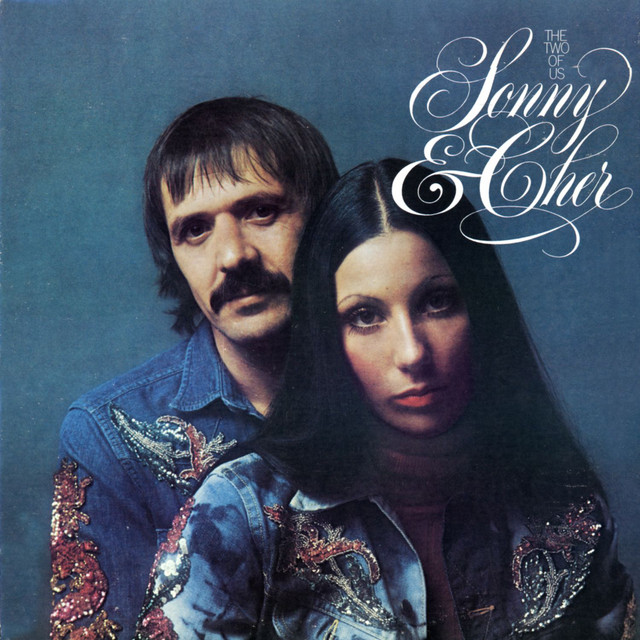
The Two of Us
Sonny & Cher
Bubblegum Pop
Rockabilly
Rock And Roll
Similar artists
1
/5
Various Artists
Soundtrack
Afro-Funk
Alternative Rock
3
/5
Frankie Valli & The Four Seasons
Doo-Wop
Northern Soul
Rockabilly
4
/5
Roy Orbison
Pop
Rock
Rock And Roll
4
/5
Bobby Darin
Big Band
Pop
Jazz
3
/5
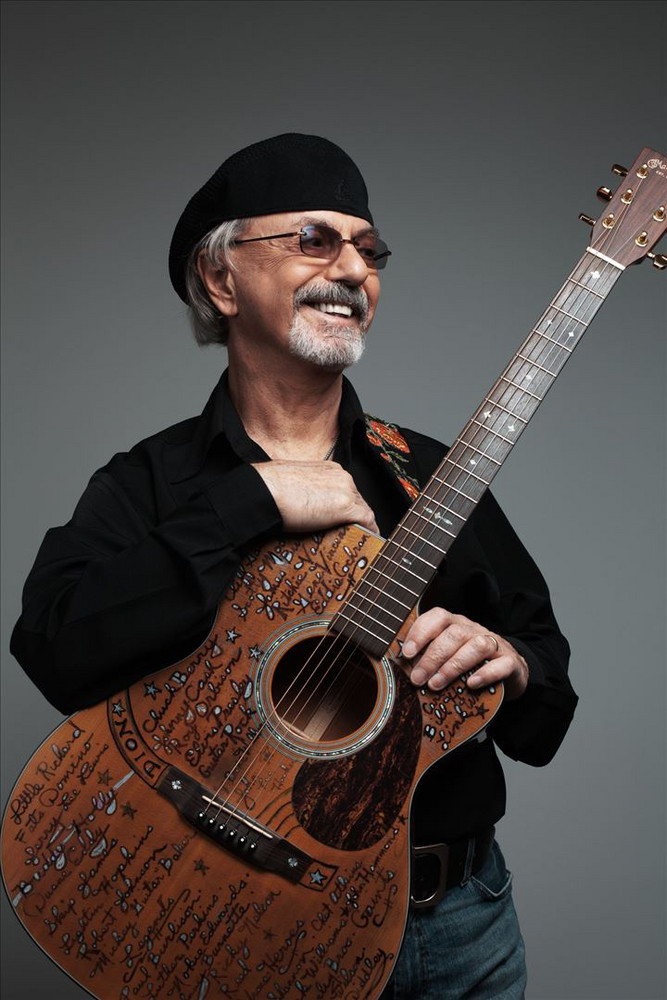
Dion
Doo-Wop
Pop Rock
Brill Building
4
/5
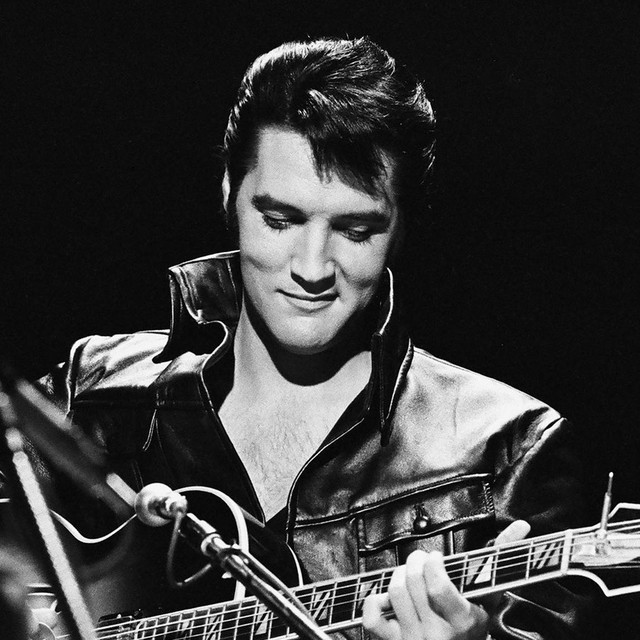
Elvis Presley
Rock And Roll
Rockabilly
Pop
4
/5
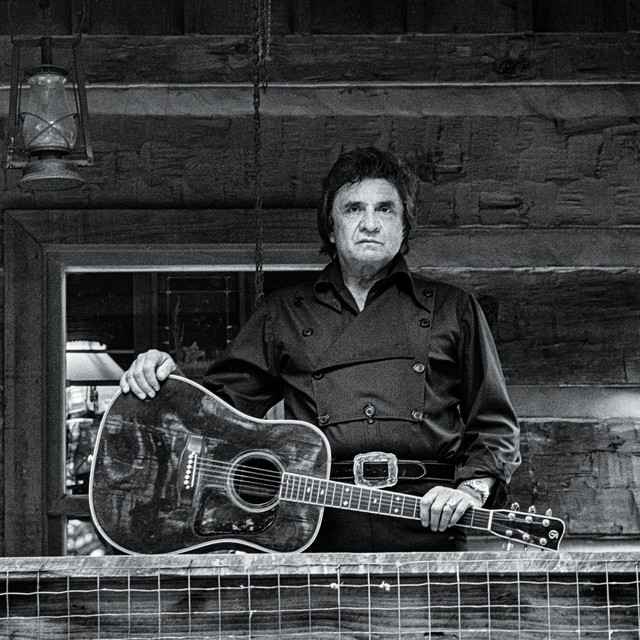
Johnny Cash
Country
Americana
Country Gospel
4
/5
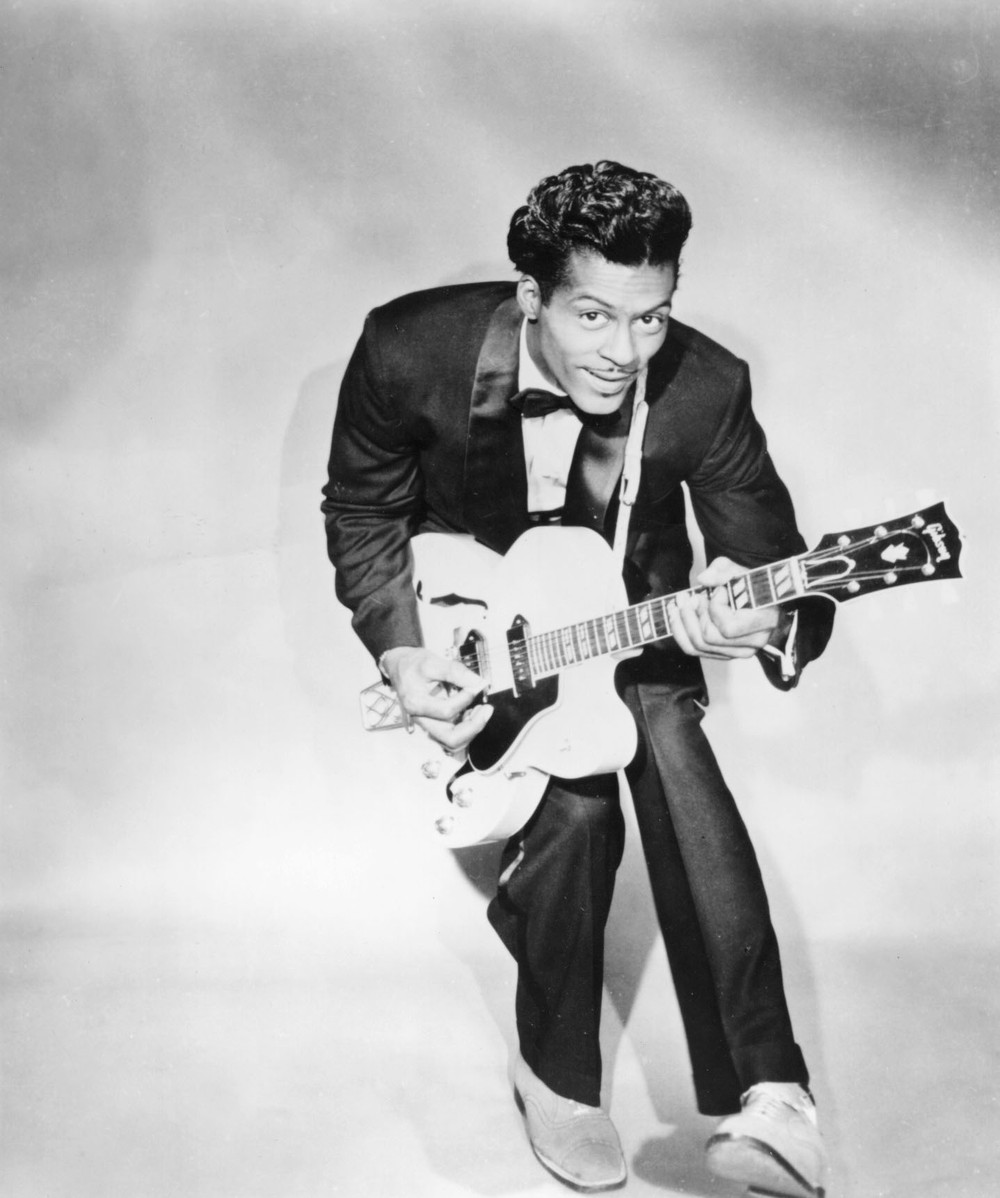
Chuck Berry
Rock And Roll
Rockabilly
R&b
4
/5
James Horner
Soundtrack
Classical
Country Dawn
4
/5
Brenda Lee
Christmas Music
Pop
Rock
Download our mobile app
Get the Melodigging app and start digging for new genres on the go
Download on the App Store
Get it on Google Play
© 2026 Melodigging
Give feedback
Legal
Melodding was created as a tribute to
Every Noise at Once
, which inspired us to help curious minds keep digging into music's ever-evolving genres.