Genres
Artists
Albums
Make Music
Sign in
Sign in
Artists
Deejay
Artists
Deejay
Singers & Players
1981–1983
·
2 albums
Listen
Genres
Dub
Dub is a studio-born offshoot of reggae that uses the mixing desk as a performance instrument. Producers strip songs down to their rhythmic core—drums and bass—and then rebuild them in real time with radical mutes, echoes, reverbs, and filters. Typically created from the B-sides (“versions”) of reggae singles, dub foregrounds spacious low-end, one-drop or steppers drum patterns, and fragmented vocal or instrumental phrases that drift in and out like ghostly textures. Spring reverb, tape echo, and feedback are not just effects but compositional tools, turning the studio into an instrument of improvisation. The result is bass-heavy, spacious, and hypnotic music that emphasizes negative space and textural transformation, laying the foundation for countless electronic and bass music styles.
Discover
Listen
Deejay
Deejay is a Jamaican vocal style in which an MC "toasts"—rhythmically talking, chanting, or half-singing—over pre-existing instrumental tracks called riddims. Unlike the club turntablist sense of “DJ,” the Jamaican deejay is the voice on the mic, not the person selecting records. Emerging from Kingston sound-system culture, deejay performance foregrounds cadence, patois wordplay, call‑and‑response, and crowd control. Its delivery ranges from nimble, percussive chat to singjay (melodic hybrids), often treated with dub-style echoes and dropouts. The form prefigured rap and has been central to reggae and dancehall, influencing MC traditions worldwide.
Discover
Listen
Reggae
Reggae is a popular music genre from Jamaica characterized by a laid-back, syncopated groove, prominent bass lines, and steady offbeat “skank” guitar or keyboard chords. The rhythmic core often emphasizes the third beat in a bar (the “one drop”), creating a spacious, rolling feel that foregrounds bass and drums. Typical instrumentation includes drum kit, electric bass, rhythm and lead guitars, keyboards/organ (notably the Hammond and the percussive "bubble"), and often horn sections. Tempos generally sit around 70–80 BPM (or 140–160 BPM felt in half-time), allowing vocals to breathe and messages to be clearly delivered. Lyrically, reggae ranges from love songs and everyday storytelling to incisive social commentary, resistance, and spirituality, with Rastafarian culture and language (e.g., “I and I”) playing a central role in many classic recordings. Studio production techniques—spring reverbs, tape delays, and creative mixing—became signature elements, especially through dub versions that strip down and reimagine tracks.
Discover
Listen
Albums
1983
1
/5
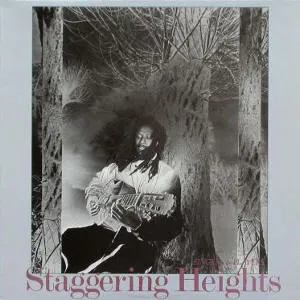
Staggering Heights
Singers & Players
Deejay
1981
1
/5
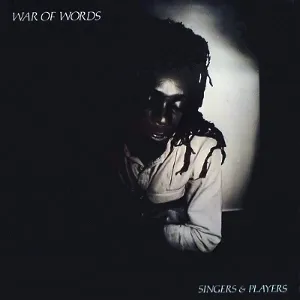
War of Words
Singers & Players
Dub
Reggae
Similar artists
3
/5
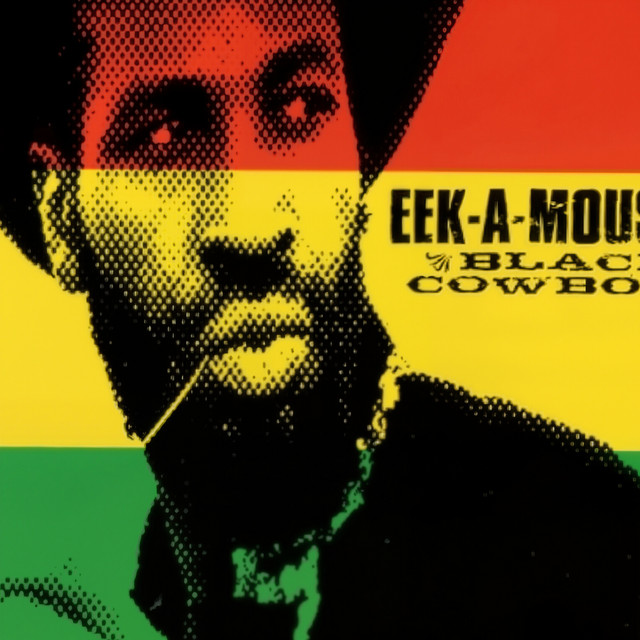
Eek-A-Mouse
Deejay
Dub
Ragga
3
/5
Yellowman
Dancehall
Reggae
Deejay
3
/5
U-Roy
Reggae
Rocksteady
Deejay
3
/5
Mad Professor
Dub
Electrocumbia
Latin Afrobeat
2
/5
Big Youth
Reggae
Roots Reggae
Deejay
2
/5
Prince Far I
Dub Poetry
Reggae
Dub
2
/5
Tapper Zukie
Deejay
Dub
Old School Dancehall
2
/5
Dillinger
Deejay
Dub
Ragga
2
/5
Trinity
Deejay
Dub
Lovers Rock
2
/5
Lone Ranger
Deejay
Dub
Latin Afrobeat
Download our mobile app
Get the Melodigging app and start digging for new genres on the go
Download on the App Store
Get it on Google Play
© 2026 Melodigging
Give feedback
Legal
Melodding was created as a tribute to
Every Noise at Once
, which inspired us to help curious minds keep digging into music's ever-evolving genres.