Genres
Artists
Albums
Make Music
Sign in
Sign in
Artists
Dancehall
Artists
Dancehall
Shabba Ranks
1989–1998
·
17 albums
Listen
3
/5
Genres
Melancholia
Melancholia is an internet-era microgenre centered on soft-focus, sorrow-tinged pop and indie songs that foreground intimacy, space, and emotional candor. Tracks are typically slow to mid‑tempo, sung in a close, almost confessional register, and framed by sparse, reverb‑soaked textures. Sonically it lives between dream pop, bedroom pop, and slowcore: shimmering guitars or wistful synth pads drift over understated beats; piano, acoustic guitar, and low‑key electronic drums carry muted, pulsing grooves. Harmonies often favor minor keys, suspended chords, and gentle extensions (7ths/9ths) that heighten a bittersweet glow. Lyrically, melancholia lingers on solitude, late‑night self‑reflection, breakups, and fragile hope. The genre coalesced through streaming playlists and social media, where its hush, negative space, and diaristic tone translate into a cohesive, instantly recognizable mood.
Discover
Listen
Seapunk
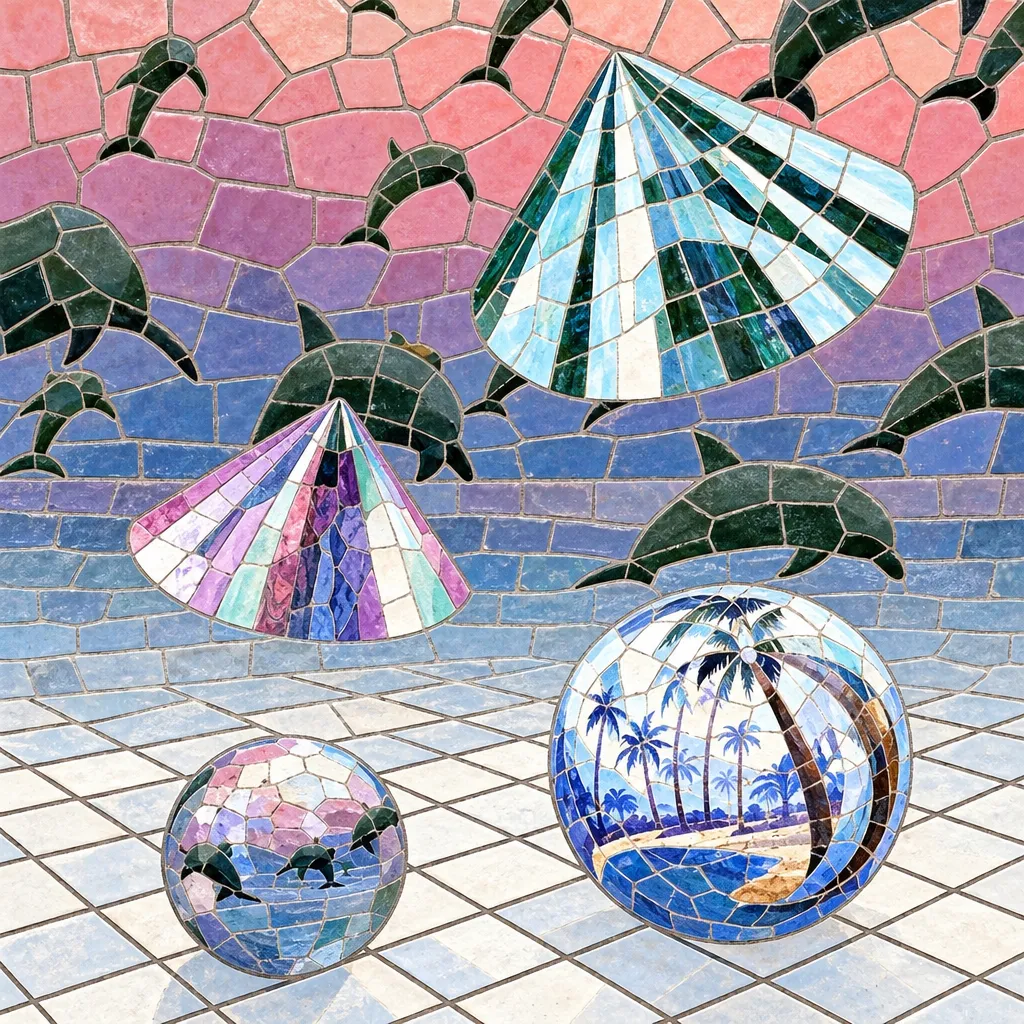
Seapunk is an early-2010s internet-born microgenre and multimedia aesthetic that fuses retro-rave sonics with Y2K-era, ocean-themed visuals. Its sound blends 1990s house and trance riffs, chopped-and-screwed and vaporwave-adjacent sampling, splashy 808/909 drums, and glossy, “watery” synth textures. The visual world is as important as the music: turquoise/teal palettes, 3D chrome dolphins, coral gradients, pixel seas, and GIF-era net art. Together, these define a playful, nostalgic, and cyber-aquatic identity that celebrates both rave euphoria and web-native DIY culture.
Discover
Listen
Downtempo
Downtempo is a mellow, groove-oriented branch of electronic music characterized by slower tempos, plush textures, and a focus on atmosphere over dancefloor intensity. Typical tempos range from about 60–110 BPM, with swung or laid-back rhythms, dub-informed basslines, and warm, jazz-tinged harmonies. Stylistically, it blends the spaciousness of ambient, the head-nodding rhythms of hip hop and breakbeat, and the cosmopolitan smoothness of lounge and acid jazz. Producers often use sampled drums, Rhodes or Wurlitzer electric pianos, guitar licks with delay, and field recordings to create intimate, cinematic soundscapes. The mood spans from soulful and romantic to introspective and dusk-lit, making it a staple of after-hours listening, cafes, and relaxed club back rooms.
Discover
Listen
Drum And Bass
Drum and bass (DnB) is a fast, rhythmically intricate form of electronic dance music centered on breakbeats at roughly 160–180 BPM and powerful, sub‑heavy basslines. It grew out of the UK’s early ’90s rave and jungle scenes, combining chopped funk breaks (most famously the Amen break), dub and reggae sound‑system aesthetics, hip‑hop sampling, and techno’s futurist sound design. Across its many substyles—liquid funk’s soulful harmonies, techstep and neurofunk’s cold, machine‑like bass engineering, jump‑up’s hooky bass riffs, atmospheric DnB’s pads and space—drum and bass remains a DJ‑oriented, dancefloor‑driven genre that prizes tight drum programming, deep low end, and precise arrangement for mixing.
Discover
Listen
Jungle
Jungle is a UK-born electronic music style defined by rapid, chopped breakbeats, heavy sub‑bass, and a deep dialogue with Jamaican sound‑system culture. Typical tempos sit around 155–170 BPM, with intensely syncopated drum programming that flips funk and jazz breaks (especially the Amen, Think, and Apache breaks) into kinetic, polyrhythmic mosaics. Its sound palette blends dub’s bass weight and echo, reggae and dancehall vocal toasting, hip‑hop sampling aesthetics, and the rave/hardcore continuum’s rave stabs and euphoria. In contemporary usage, jungle is often grouped under the broader umbrella of drum and bass; historically it directly preceded and seeded mid‑1990s drum and bass and is frequently treated as an early substyle of DnB.
Discover
Listen
Ragga
Ragga (short for raggamuffin) is a digital-era branch of Jamaican dancehall that foregrounds electronic rhythms, heavy sub‑bass, and rapid‑fire toasting in Jamaican Patois. It typically uses drum machines, sampled or synthesized basslines, and minimal harmonic movement, creating spacious, hard‑hitting “riddims” over which multiple deejays deliver contrasting versions. The style crystallized in the mid‑1980s after the pivotal “Sleng Teng” riddim popularized fully digital production, ushering in a new sound that was simultaneously streetwise, club‑ready, and globally exportable. Lyrically, ragga ranges from party‑starting “slackness” and braggadocio to social commentary, and its vocal delivery combines singing, chanting, and MC‑style flows.
Discover
Listen
Ragga Hip-Hop
Ragga hip-hop is a hybrid style that merges the patois toasting and digital dancehall sonics of ragga with the beats, rhyme structures, and sampling ethos of hip hop. Built on heavy sub‑bass, skanking off‑beat chords, and boom‑bap or early 90s East Coast drum programming, the style foregrounds energetic, melodic toasting and rapid‑fire deliveries alongside rap verses. Hooks often use chant‑like refrains or call‑and‑response, borrowing the sound system culture of Jamaica while retaining hip‑hop’s verse–chorus songcraft. Commercial breakthroughs in the early 1990s brought the sound to mainstream audiences, while parallel UK developments connected ragga hip‑hop to hardcore rave and, soon after, jungle. Its DNA can be heard in later reggae‑pop crossovers and the broader UK rap continuum.
Discover
Listen
Dancehall
Dancehall is a Jamaican popular music style built around bass‑heavy, groove‑centric riddims and the vocal art of chatting or singjaying in Jamaican Patois. It emphasizes direct, energetic delivery, call‑and‑response hooks, and a party‑forward attitude, while also leaving space for sharp social commentary and witty wordplay. The genre is fundamentally riddim‑based: producers release instrumental tracks (riddims) that many different vocalists "voice" with their own songs. This culture encourages competitive creativity, rapid evolution of styles, and a constant stream of new versions. Tempos typically sit in the midtempo range, with syncopated kicks and snares and prominent sub‑bass. Since the mid‑1980s, digital drum machines and synths have defined much of dancehall’s sound, though live instrumentation and hybrid production are common too.
Discover
Listen
Lovers Rock
Lovers rock is a romantic, melodically rich branch of reggae that emerged in the United Kingdom during the mid-to-late 1970s. It emphasizes smooth vocals, tender lyrics, and polished arrangements over the heavier political themes or rugged rhythms often associated with roots reggae and dub. Built on reggae and rocksteady grooves but infused with the sensibilities of soul and R&B, lovers rock often features warm basslines, gentle one‑drop drum patterns, silky rhythm guitars, and lush keyboards or string pads. The result is an intimate, slow‑to‑mid‑tempo sound designed for close dancing and heartfelt expression.
Discover
Listen
Hip Hop
Hip hop is a cultural and musical movement that emerged from Black, Latino, and Caribbean communities, centering around rapping (MCing), DJing/turntablism, sampling-based production, and rhythmic speech over beats. It prioritizes groove, wordplay, and storytelling, often reflecting the social realities of urban life. Musically, hip hop is built on drum-centric rhythms (from breakbeats to 808 patterns), looped samples, and bass-forward mixes. Lyrically, it ranges from party anthems and braggadocio to political commentary and intricate poetic forms, with flow, cadence, and rhyme density as core expressive tools. Beyond music, hip hop encompasses a broader culture, historically intertwined with graffiti, b-boying/b-girling (breakdance), fashion, and street entrepreneurship, making it both an art form and a global social language.
Discover
Listen
Reggae
Reggae is a popular music genre from Jamaica characterized by a laid-back, syncopated groove, prominent bass lines, and steady offbeat “skank” guitar or keyboard chords. The rhythmic core often emphasizes the third beat in a bar (the “one drop”), creating a spacious, rolling feel that foregrounds bass and drums. Typical instrumentation includes drum kit, electric bass, rhythm and lead guitars, keyboards/organ (notably the Hammond and the percussive "bubble"), and often horn sections. Tempos generally sit around 70–80 BPM (or 140–160 BPM felt in half-time), allowing vocals to breathe and messages to be clearly delivered. Lyrically, reggae ranges from love songs and everyday storytelling to incisive social commentary, resistance, and spirituality, with Rastafarian culture and language (e.g., “I and I”) playing a central role in many classic recordings. Studio production techniques—spring reverbs, tape delays, and creative mixing—became signature elements, especially through dub versions that strip down and reimagine tracks.
Discover
Listen
Pop
Pop is a broad, hook-driven style of popular music designed for wide appeal. It emphasizes memorable melodies, concise song structures, polished vocals, and production intended for radio, charts, and mass media. While pop continually absorbs elements from other styles, its core remains singable choruses, accessible harmonies, and rhythmic clarity. Typical forms include verse–pre-chorus–chorus, frequent use of bridges and middle-eights, and ear-catching intros and outros. Pop is not defined by a single instrumentation. It flexibly incorporates acoustic and electric instruments, drum machines, synthesizers, and increasingly digital production techniques, always in service of the song and the hook.
Discover
Listen
Electronic
Electronic is a broad umbrella genre defined by the primary use of electronically generated or electronically processed sound. It encompasses music made with synthesizers, drum machines, samplers, computers, and studio/tape techniques, as well as electroacoustic manipulation of recorded or synthetic sources. The genre ranges from academic and experimental traditions to popular and dance-oriented forms. While its sonic palette is rooted in electricity and circuitry, its aesthetics span minimal and textural explorations, structured song forms, and beat-driven club permutations. Electronic emphasizes sound design, timbre, and studio-as-instrument practices as much as melody and harmony.
Discover
Listen
Show all 13 genres
Albums
1998
Get Up Stand Up
Shabba Ranks
Reggae
1995
A Mi Shabba
Shabba Ranks
Dancehall
Downtempo
Electronic
1993
Rough & Ready, Volume II
Shabba Ranks
Downtempo
Electronic
Hip Hop
1993
Love Punanny Bad
Shabba Ranks
Downtempo
Electronic
Ragga
1992
3
/5
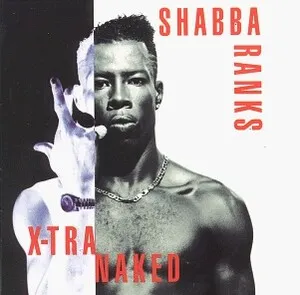
X-tra Naked
Shabba Ranks
Ragga
Downtempo
Electronic
1992
Rough & Ready, Volume 1
Shabba Ranks
Pop
Ragga
Reggae
1992
Rough & Ready
Shabba Ranks
Downtempo
Electronic
Ragga
1992
Mr. Maximum
Shabba Ranks
Dancehall
Ragga Hip-Hop
Reggae
1991
Just Reality
Shabba Ranks
Downtempo
Electronic
Ragga
1991
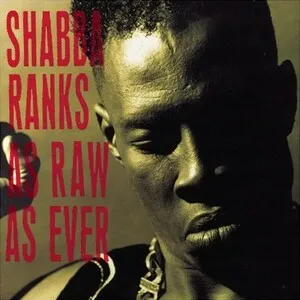
As Raw as Ever
Shabba Ranks
Dancehall
Hip Hop
Ragga
1991
As Raw as Ever
Shabba Ranks
Ragga
1991
Shabba Ranks and Friends
Shabba Ranks
Downtempo
Electronic
Ragga
1990
Golden Touch
Shabba Ranks
Dancehall
Reggae
1990
Just Reality
Shabba Ranks
Dancehall
Ragga
Reggae
1990
Rappin’ With the Ladies
Shabba Ranks
Dancehall
Lovers Rock
Reggae
1989
Rough and Rugged
Shaka Demus & Shabba Ranks
Downtempo
Electronic
Ragga
1989
Best Baby Father
Shabba Ranks
Dancehall
Ragga
Similar artists
3
/5
Barrington Levy
Dancehall
Reggae
Roots Reggae
1
/5
Various Artists
Afro-Funk
Alternative Rock
Ambient
3
/5
Sizzla
Ragga
Dancehall
Lovers Rock
3
/5
Capleton
Ragga
Dancehall
Lovers Rock
4
/5
Buju Banton
Ragga
Dancehall
Basshall
4
/5
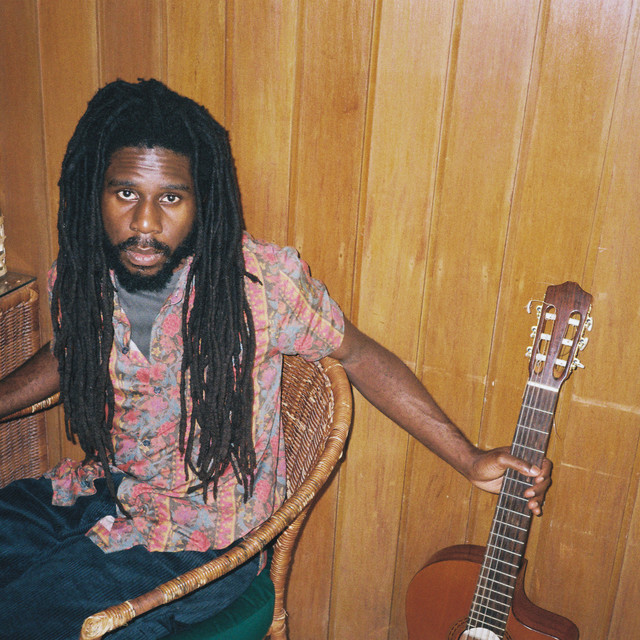
Chronixx
Lovers Rock
Roots Reggae
Ragga
3
/5
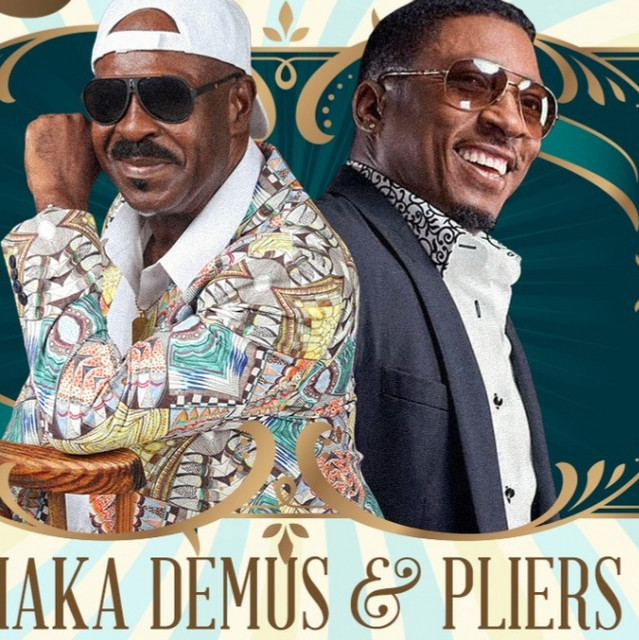
Chaka Demus & Pliers
Dancehall
Ragga
Reggae
4
/5
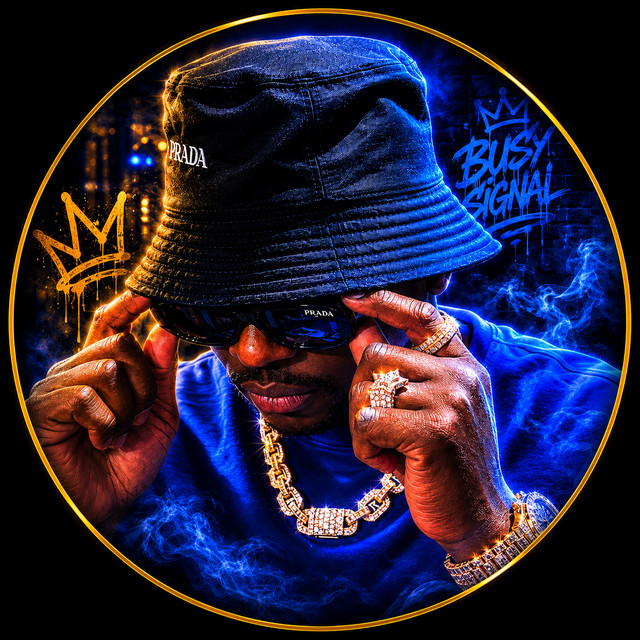
Busy Signal
Lovers Rock
Ragga
Roots Reggae
3
/5
Cutty Ranks
Ragga
Dancehall
Jungle
3
/5
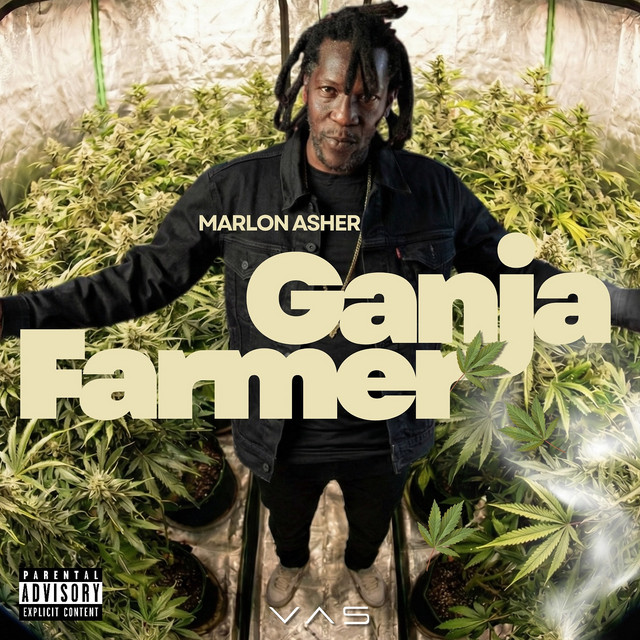
Marlon Asher
Trinidadian Reggae
Reggae
Dancehall
Download our mobile app
Get the Melodigging app and start digging for new genres on the go
Download on the App Store
Get it on Google Play
© 2026 Melodigging
Give feedback
Legal
Melodding was created as a tribute to
Every Noise at Once
, which inspired us to help curious minds keep digging into music's ever-evolving genres.