Genres
Artists
Albums
Make Music
Sign in
Sign in
Artists
Bikutsi
Artists
Bikutsi
Serge Beynaud
2022–2025
·
3 albums
Listen
3
/5
Genres
Maimouna
Maimouna is a contemporary Francophone West- and Central‑African club style and dance craze that emerged in the early 2020s, most strongly associated with Côte d’Ivoire’s hyperactive urban party scene. It blends upbeat Afropop songcraft with street‑level chant, call‑and‑response hooks, and kinetic, percussion‑forward beats designed for viral dance challenges. Typical tracks ride a mid‑fast 100–118 BPM groove with shaker and cowbell patterns, handclaps, snare rushes, and short synth stabs or guitar licks. Vocals often mix Nouchi (Ivorian street slang) with French, using playful boasts, dance instructions, and catchy refrains. The production is bright and punchy, favoring simple harmonic loops so the crowd‑energy, chants, and choreography lead the experience.
Discover
Listen
Afropiano
Afropiano is a contemporary fusion that marries the songwriting, vocal phrasing, and rhythmic sensibilities of West African Afrobeats with the deep, percussive textures of South Africa’s Amapiano. It retains Amapiano’s signature log drum bass, shaker-led swing, and soulful pads, while adopting Afrobeats’ catchy hooks, call-and-response choruses, and concise, radio-friendly structures. The result is a warm, dance-floor-oriented sound with mid-tempo grooves, plush jazz/house harmonies, and lyrics that often blend English, Nigerian Pidgin, and local languages.
Discover
Listen
Rap Ivoire
Rap ivoire is the Ivorian strain of hip hop that blends Francophone rap technique with local slang (Nouchi), street storytelling, and high-energy club aesthetics. It typically rides trap or Afro-urban beats while borrowing rhythmic accents from coupé-décalé and broader West African pop. Lyrically, it ranges from boastful punchlines and witty Nouchi wordplay to social observations about Abidjan life, youth hustle, and identity. Sonically, you’ll hear 808-heavy drums, sharp hi-hats, chantable hooks, and call-and-response refrains designed for both street appeal and dancefloor impact.
Discover
Listen
Azonto
Azonto is a contemporary Ghanaian dance-music style built for parties, street performances, and viral choreography. Emerging in the early 2010s, it matches swaggering, humorous dance moves with catchy call-and-response hooks and MC-led verses. Musically, Azonto sits on a bright, syncopated 4/4 groove—often between 105–130 BPM—with crisp handclaps, off‑beat hi‑hats, bouncing kick patterns, and short melodic riffs from synths, bell/mallet tones, or plucks. Harmony is usually minimal (two to four repeating chords), keeping the spotlight on rhythm, energy, and vocal interplay. Lyrics blend Twi, Ga, and Ghanaian Pidgin with English, and celebrate fashion, flirtation, everyday jokes, and local slang. The genre rose with dance challenges and YouTube-era virality, helping push West African pop into UK and global club culture. Signature tracks include Sarkodie & E.L.’s “U Go Kill Me,” Fuse ODG’s “Azonto” and “Antenna,” Castro’s “Azonto Fiesta,” and Gasmilla’s “Aboodatoi.”
Discover
Listen
Azontobeats
Azontobeats is a high-energy Ghanaian club sound built to power the Azonto dance craze of the early 2010s. It blends the melodic sensibility of highlife and the rap-forward urgency of hiplife with contemporary Afrobeats pop gloss, dancehall swagger, and UK club rhythms. Typically sitting around 118–128 BPM, the style features punchy, dance-focused drum programming, bright synth hooks, and recurring call-and-response chants in Ghanaian languages (especially Twi and Ga) and Ghanaian Pidgin English. Percussion draws on kpanlogo-inspired bell and drum patterns, while arrangements prioritize catchy toplines and hooky, instruction-style lyrics that cue dance moves. More than just a beat, Azontobeats became a cultural wave that helped push Ghana’s sound onto global dance floors, laying a pathway for later diasporic Afrobeats and UK Afroswing crossovers.
Discover
Listen
Latin Afrobeats
Latin Afrobeats is a hybrid of West African Afrobeats and Latin urban pop in which Spanish (and sometimes Portuguese) lyrics ride syncopated, polyrhythmic grooves. It marries Afrobeats’ swung shakers, off‑beat hi‑hats, guitar licks, and buoyant bass with dembow and dancehall drum patterns common to reggaeton and Latin pop. The result is a bright, dance‑forward style with catchy toplines, call‑and‑response hooks, and concise song forms tailored to streaming. Production tends to be minimal yet percussive, with Afro‑percussion (shekere, conga/bongo colors), plucked guitars or synth plucks, and warm sub‑bass supporting melodies that often draw on pentatonic or natural minor scales. Themes revolve around romance, partying, and feel‑good celebration, making the music equally at home in clubs and playlists.
Discover
Listen
Ndombolo
Ndombolo (also spelled dombolo) is a high‑energy Congolese dance music born from the 1990s soukous scene. It accelerates the classic Congolese rumba/soukous template, pushing the tempo, sharpening the rhythmic drive, and foregrounding hip‑swaying, pelvis‑led dance moves. Musically, ndombolo is marked by propulsive drum‑kit and conga patterns, bright interlocking electric guitars that launch into long, fast seben breaks, elastic bass lines, and catchy call‑and‑response vocals—often in Lingala with French catchphrases. Atalaku (hype‑men) add spirited shouts and dance commands that stoke the crowd. The overall sound is upbeat, percussion‑driven, and tailor‑made for the dancefloor. By the mid‑1990s and 2000s the style dominated clubs across Central, Eastern, and parts of Western Africa, becoming a pan‑African dance craze and a reference point for subsequent urban dance‑pop styles.
Discover
Listen
Afrobeat
Afrobeat is a horn-driven, polyrhythmic, and politically charged style that emerged in Nigeria, spearheaded by bandleader Fela Kuti and drummer Tony Allen. It fuses West African highlife and juju with American funk, jazz, and soul to create extended, hypnotic grooves. Typical tracks revolve around interlocking guitar and keyboard ostinatos, elastic bass vamps, dense percussion (shekere, congas, agogô, cowbell), and tightly arranged horn riffs that punctuate the beat. Vocals often use call-and-response and socially conscious lyrics, delivered in English, Nigerian Pidgin, or Yoruba. Harmonically sparse but rhythmically intricate, Afrobeat prioritizes feel: long, evolving arrangements, richly syncopated drum patterns, and sectional dynamics that spotlight solos and collective interplay.
Discover
Listen
Bikutsi
Bikutsi is a high-energy dance music from central Cameroon, rooted in the social and ceremonial music of the Beti (including the Ewondo and Eton peoples). Its name is often glossed as “beating the earth,” evoking the powerful, stomping dance steps and the trance-like, percussive drive that define the style. Traditionally performed with balafon (xylophone), rattles, handclaps, and drums, bikutsi features fast 6/8 cross-rhythms, call-and-response vocals, and lyrics that mix social commentary, satire, and frank discussions of love and everyday life. The modern, urban form electrifies those same patterns with driving bass lines, drum kits, and rapid, treble‑rich guitar ostinatos that mimic balafon figures, producing a relentless, celebratory groove suited to clubs and street parties.
Discover
Listen
Congolese Rumba
Congolese rumba (often called African rumba) is a danceable, guitar-driven popular music that emerged in Kinshasa and Brazzaville after World War II. It blends Afro‑Cuban son and bolero harmonies with Central African rhythmic sensibilities and call‑and‑response vocals. Typical recordings feature interlocking electric guitars (rhythm, mi‑solo and lead) playing lilting, cyclical figures over a steady, clave‑informed groove, buoyed by congas, maracas, cowbell, bass tumbao, and occasional horns. Songs frequently move from a lyrical, crooning verse into an extended instrumental vamp called the “sebene,” where the band raises the energy for dancers. Lyrically, Congolese rumba often uses Lingala (and sometimes French), celebrating romance, urban life, and social themes with suave vocal harmonies and a refined sense of melody.
Discover
Listen
Show all 10 genres
Albums
2025
2
/5
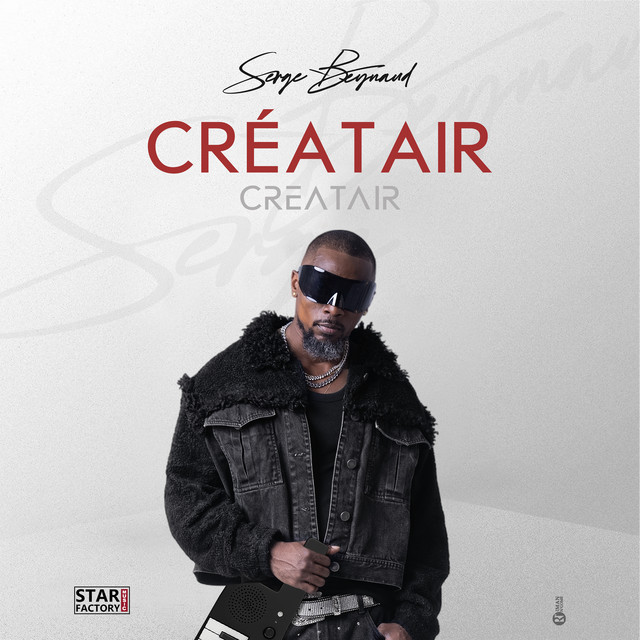
Créatair
Serge Beynaud
Bikutsi
2022
2
/5
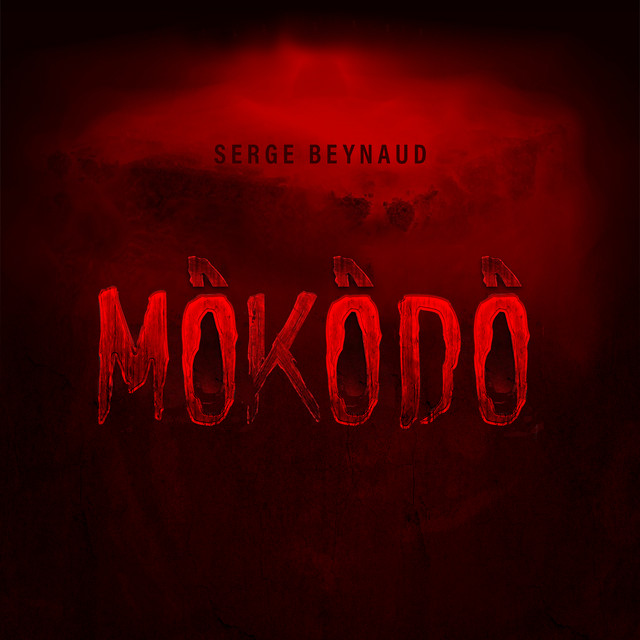
Môkôdô
Serge Beynaud
Bikutsi
Ndombolo
Rap Ivoire
2022
2
/5
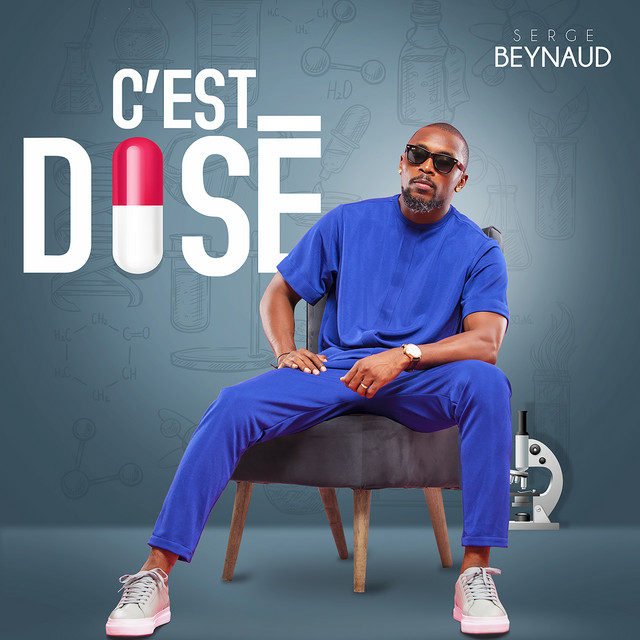
C'est dosé
Serge Beynaud
Bikutsi
Similar artists
3
/5
Josey
Bikutsi
Ndombolo
Rap Ivoire
3
/5
DJ Arafat
Coupé-Décalé
Zouglou
Afrobeat
2
/5
Bebi Philip
Coupé-Décalé
Bikutsi
Afrobeat
3
/5
Roseline Layo
Bikutsi
Zouglou
Coupé-Décalé
4
/5
Fally Ipupa
Rhumba
Congolese Rumba
Ndombolo
3
/5
Espoir 2000
Zouglou
Bikutsi
Coupé-Décalé
3
/5
Meiway
Makossa
Bikutsi
Coupé-Décalé
2
/5
Debordo Leekunfa
Coupé-Décalé
Bikutsi
Congolese Rumba
2
/5
Mix Premier
Coupé-Décalé
Bikutsi
Zouglou
2
/5
Mike Alabi
Zouglou
Bikutsi
Congolese Rumba
Download our mobile app
Get the Melodigging app and start digging for new genres on the go
Download on the App Store
Get it on Google Play
© 2026 Melodigging
Give feedback
Legal
Melodding was created as a tribute to
Every Noise at Once
, which inspired us to help curious minds keep digging into music's ever-evolving genres.