Genres
Artists
Albums
Make Music
Sign in
Sign in
Artists
Ethio-Jazz
Artists
Ethio-Jazz
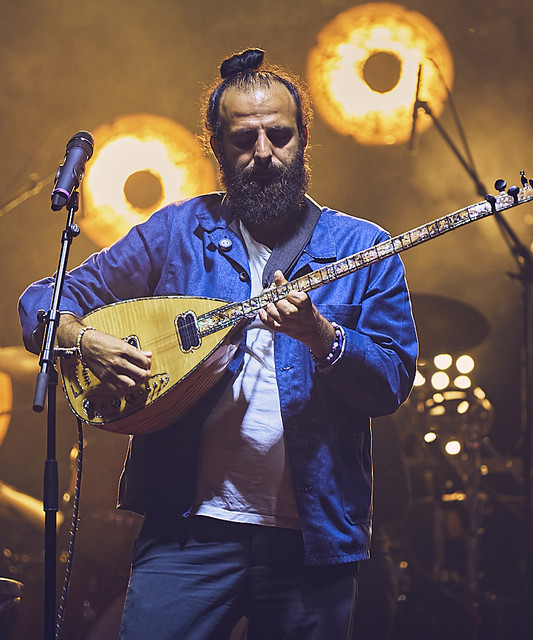
Rusan Filiztek
2024
·
1 album
Listen
1
/5
Genres
Ethio-Jazz
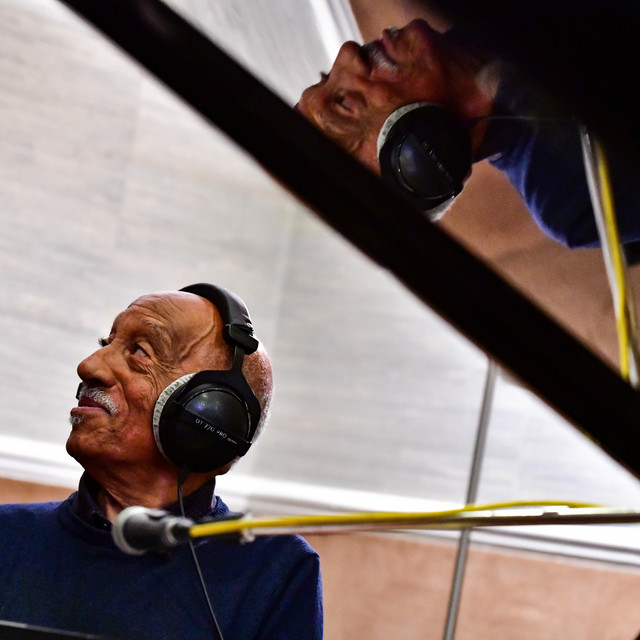
Ethio‑jazz (Ethiopian jazz) is a distinctive fusion of traditional Ethiopian modal melody and rhythm with the harmonies, improvisational language, and instrumentation of jazz. Rooted in Ethiopia’s pentatonic qenet (modes)—such as tizita, bati, ambassel, and anchihoye—it places these characteristic scales over Western jazz ensembles (horn sections, piano/organ, guitar, bass, drums) and, at times, indigenous instruments like krar, masenqo, and kebero. The result ranges from sultry, minor‑tinged laments to hypnotic, groove‑forward vamps, often colored by vibraphone, organ, and saxophone timbres. Over time, Ethio‑jazz absorbed elements of soul, funk, Afro‑Latin and Afro‑Cuban rhythms, contributing to a sound that can be both melancholic and danceable, nostalgic and cosmopolitan. Mulatu Astatke—widely considered the father of Ethio‑jazz—was pivotal in crystallizing this language and popularizing it internationally.
Discover
Listen
Kurdish Music
Kurdish music is the traditional and contemporary music of the Kurdish people, spanning the mountainous regions of present‑day Iraq, Turkey, Iran, and Syria. It centers on modal melodies, rich vocal ornamentation, and poetic storytelling, and it ranges from unaccompanied epic singing (dengbêj) to driving dance music for circle dances (govend/halay). Its melodic language is closely tied to Near Eastern modal systems (maqam/dastgāh), with characteristic use of the Kurd/Bayât‑e Kurd mode (akin to a minor scale with a lowered second) and related hijaz/bayat families. Common meters include 2/4 and 6/8 for dances, alongside asymmetrical meters such as 7/8 and 9/8. Typical instruments include the tembûr/tanbur and saz (bağlama), frame drums (daf) and double-headed drums (dohol), reed and double‑reed winds (ney, zurna, balaban/duduk), as well as kamancheh and violin; modern ensembles may add keyboards and electric bağlama. Lyrically, Kurdish songs are often performed in Kurmanji, Sorani, and Zazakî, exploring themes of love, nature, heroism, exile, and resistance. The sound can be at once melancholic and epic, yet also celebratory and communal in its dance repertoires.
Discover
Listen
Albums
2024
1
/5
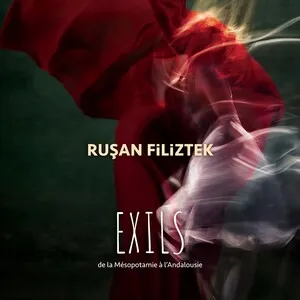
Exils
Ruşan Filiztek
Kurdish Music
Similar artists
3
/5
Mulatu Astatke
Ethio-Jazz
Ethiopic Music
Jazz
3
/5
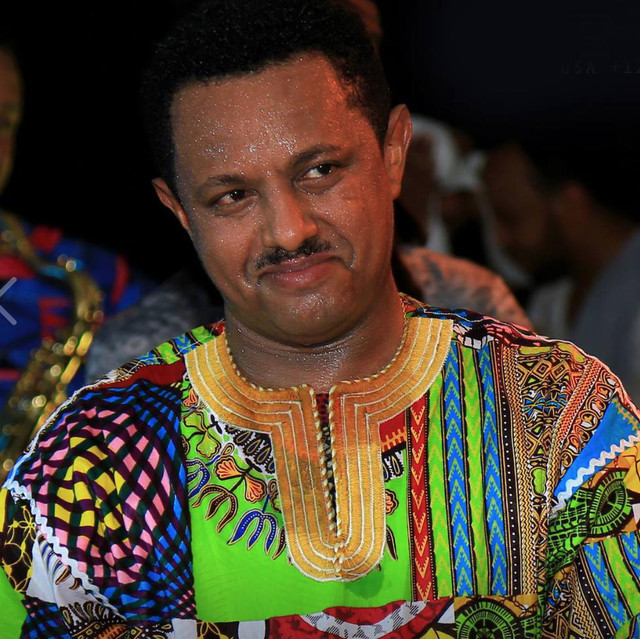
Teddy Afro
Ethio-Jazz
3
/5
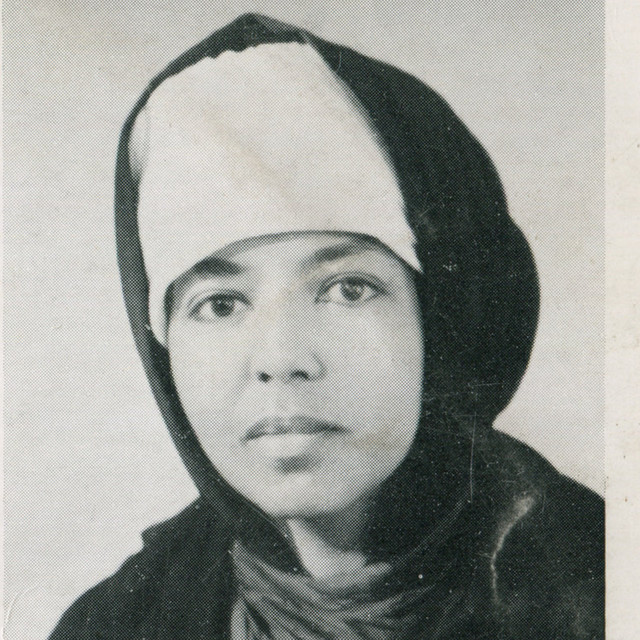
Emahoy Tsege Mariam Gebru
Ethio-Jazz
Impressionism
Ethiopian Church Music
3
/5
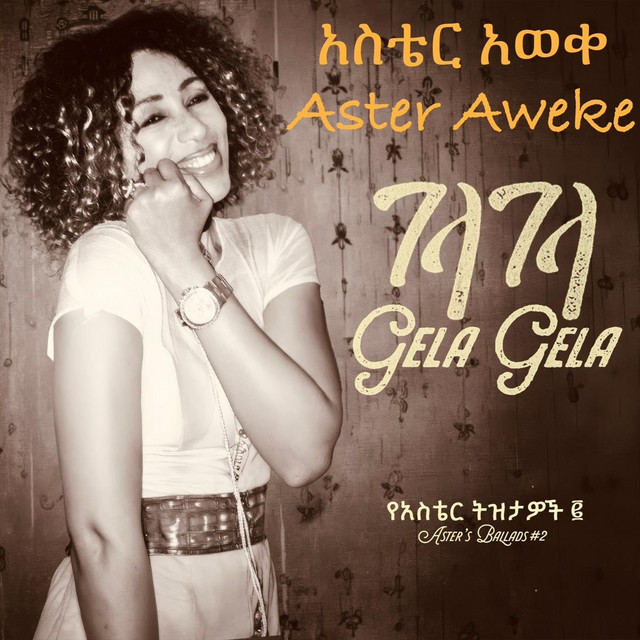
Aster Aweke
Tizita
Ethio-Jazz
Electronic
3
/5
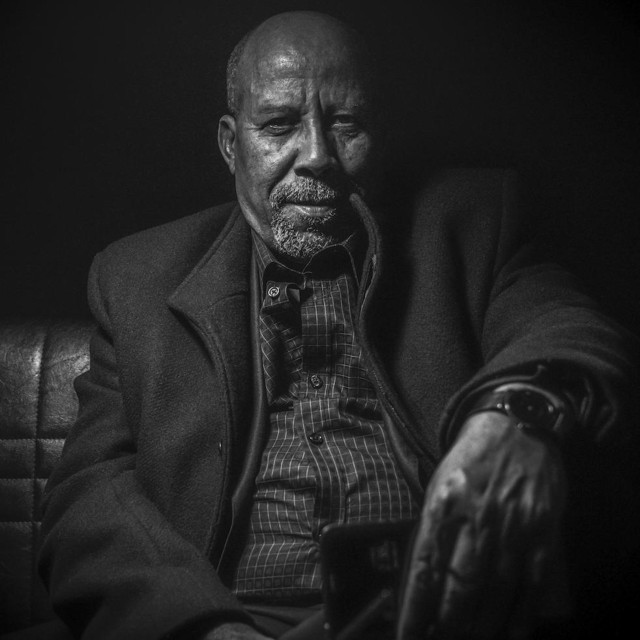
Hailu Mergia
Ethio-Jazz
Ethiopic Music
Northeastern African Music
3
/5
Gossaye Tesfaye
Ethio-Jazz
3
/5
Abraham Afewerki
Ethio-Jazz
Tigrinya Music
3
/5
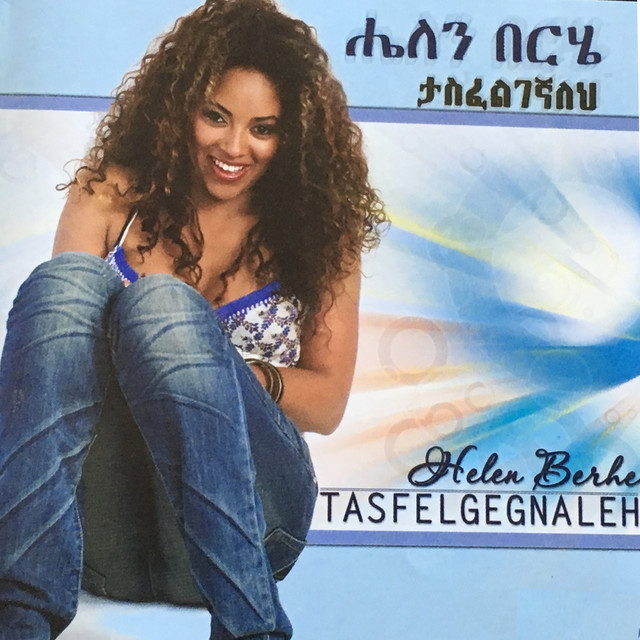
Helen Berhe
Ethio-Jazz
3
/5
Abdu Kiar
Ethio-Jazz
3
/5
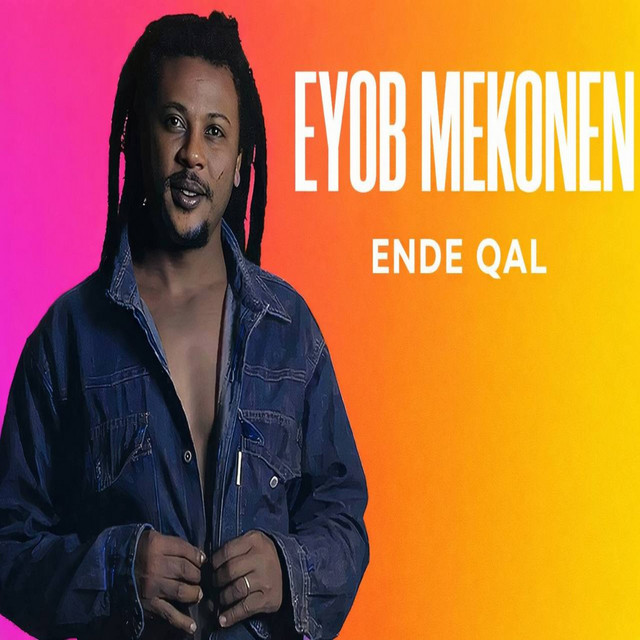
Eyob Mekonen
Ethio-Jazz
Download our mobile app
Get the Melodigging app and start digging for new genres on the go
Download on the App Store
Get it on Google Play
© 2026 Melodigging
Give feedback
Legal
Melodding was created as a tribute to
Every Noise at Once
, which inspired us to help curious minds keep digging into music's ever-evolving genres.