Genres
Artists
Albums
Make Music
Sign in
Sign in
Artists
Chamamé
Artists
Chamamé
Romualdo Correa y Su Conjunto
1990
·
1 album
Listen
2
/5
Genres
Folclor Andino
Folclor andino is the pan‑regional folk music of the Andean highlands, shaped by Indigenous Quechua and Aymara traditions and later mestizo influences. It centers on wind instruments such as quena (notched flute) and zampoña/siku (panpipes), the small 10‑string charango, guitar, and deep hand‑drummed bombos, producing bright timbres over earthy rhythms. Melodically it favors pentatonic and natural minor (Aeolian/Dorian) scales, parallel thirds, antiphonal hocketing between panpipe parts, and cyclical ostinatos. Repertoire often draws from regional forms like huayno, yaraví, carnavalito, and related highland dances, with lyrics that invoke the mountains, Pachamama (Mother Earth), love, migration, and social realities. As a modern stage and recording genre, folclor andino coalesced mid‑20th century when urban ensembles standardized instrumentation and performance, later intersecting with nueva canción’s socially engaged aesthetics and spreading globally through tours and world‑music circuits.
Discover
Listen
Folklore Argentino
Folklore argentino (música folklórica argentina) is the umbrella term for Argentina’s regional traditional music and song. It gathers styles such as chacarera and zamba from the Northwest, chamamé and rasguido doble from the Litoral, cueca and tonada cuyana from Cuyo, malambo and milonga pampeana from the Pampas, vidala and baguala from the Andean northwest, and many more. While its roots stretch back to the colonial era and to indigenous traditions, the genre crystallized as a modern national repertoire during the mid‑20th‑century folkloric boom. It is marked by guitar-based accompaniment (rasgueado strumming), bombo legüero drum pulses, rich vocal traditions (solo and choral), and dance forms in compound meters with characteristic hemiolas. Themes often evoke the land, the gaucho, love and longing, community festivities, indigenous memory, and social justice.
Discover
Listen
Traditional Music
Traditional music is an umbrella term used in the mid–20th century by folklorists and ethnomusicologists to denote community-rooted, orally transmitted repertoires tied to social ritual, work, celebration, and storytelling. Unlike commercial pop or art-music traditions, traditional music is typically learned by ear, varies regionally, and evolves slowly through communal participation. It often features modal melodies, cyclic rhythms, heterophony or unison singing, and indigenous instruments whose timbres are integral to local identity. Lyrics tend to preserve language, history, and collective memory. While the musical practices themselves can be ancient, the phrase “traditional music” emerged to replace earlier, narrower or colonial framings like “folk” or “ethnic” music, foregrounding continuity, locality, and living practice rather than exoticism.
Discover
Listen
Chamamé
Chamamé is a traditional dance-music style from Argentina’s Litoral region (especially the province of Corrientes) characterized by a flowing 6/8–3/4 sesquiáltera feel, expressive accordion or bandoneón melodies, and guitars providing rhythmic and harmonic support. It is music for dancing in couples, with a swaying, gliding motion that mirrors the riverine landscapes of the Paraná and Uruguay rivers. The genre blends European social-dance influences (polka, schottische, mazurka, waltz) with Indigenous Guaraní aesthetics and language, often featuring the sapukai—a celebratory shout—within performances. Lyrically, chamamé is typically nostalgic and pastoral, evoking love, family, migration, and the natural environment, and it frequently mixes Spanish with Guaraní vocabulary.
Discover
Listen
Arpa Paraguaya
Arpa paraguaya (Paraguayan harp) is the national harp tradition of Paraguay, centered on a lightweight, diatonic, leverless harp with 32–36 nylon or gut strings and a resonant wooden soundbox. Unlike the orchestral pedal harp, it is tuned to a diatonic scale and relies on rapid retuning or idiomatic arranging to modulate. The instrument drives two of Paraguay’s emblematic song forms—the brisk polca paraguaya and the slow, wistful guarania—showcasing brilliant arpeggios, ringing campanella fingerings, rippling glissandi, percussive golpes on the soundboard, and singing melodic lines. Typically performed solo or in duo with guitar, arpa paraguaya balances virtuosic right‑hand melody with left‑hand bass and accompaniment patterns that often play with 6/8–3/4 hemiolas. Evolving from colonial‑era harps in the Jesuit and Franciscan missions and reshaped by Guaraní musical aesthetics, the style became a modern concert and popular tradition in the 20th century, spreading globally through touring ensembles and pioneering soloists.
Discover
Listen
Albums
1990
Arpas en Estereo
Romualdo Correa y Su Conjunto
Arpa Paraguaya
Similar artists
4
/5
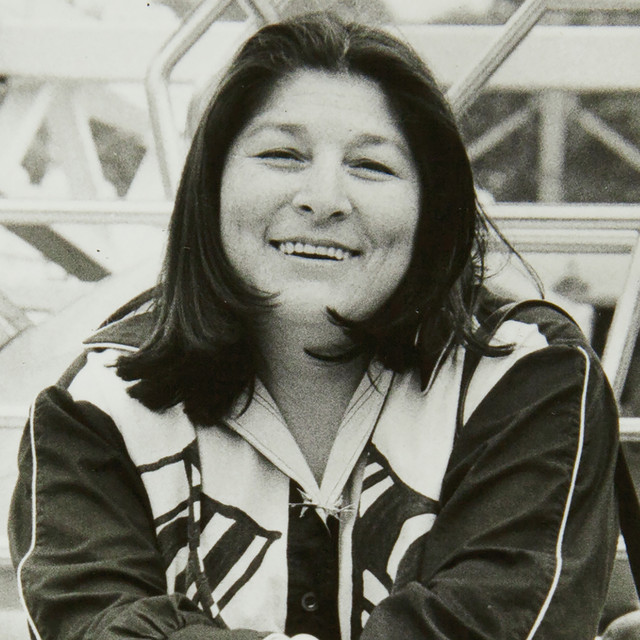
Mercedes Sosa
Nuevo Cancionero
Nueva Canción
Argentine Music
3
/5
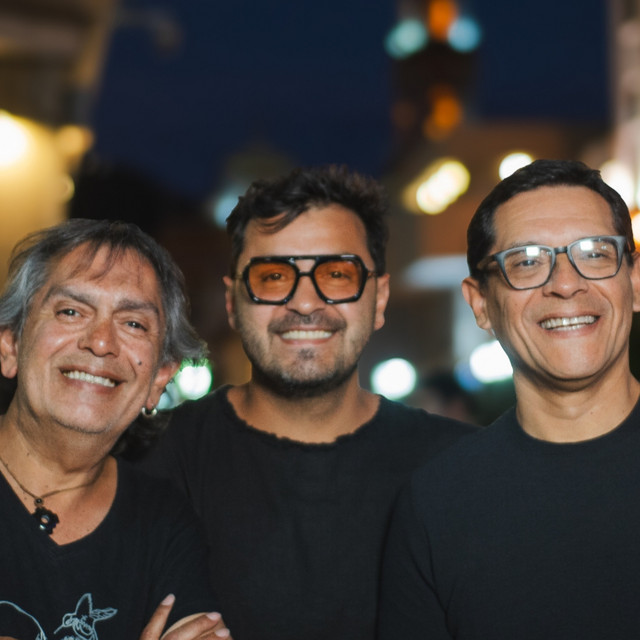
Los Nocheros
Chamamé
Folclor Andino
Folklore Argentino
3
/5
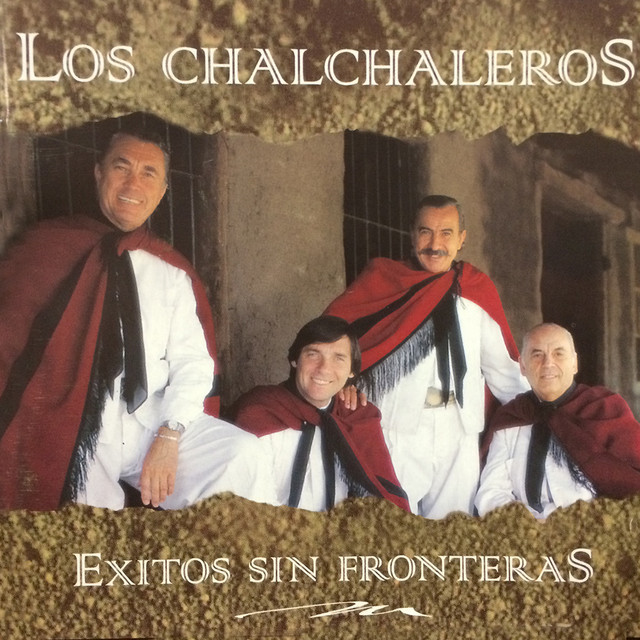
Los Chalchaleros
Zamba
Chamamé
Chacarera
3
/5
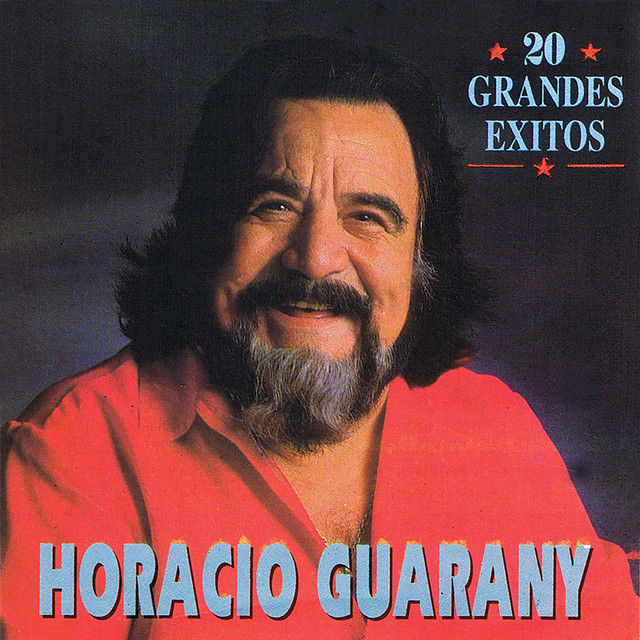
Horacio Guarany
Folklore Argentino
Chacarera
Chamamé
3
/5
AHYRE
Chamamé
Folclor Andino
Folklore Argentino
3
/5
Los Tekis
Chamamé
Folclor Andino
Folklore Argentino
3
/5
Los Visconti
Bolero
Chamamé
Folclor Andino
2
/5
Dalmiro Cuellar
Chamamé
Folclor Andino
Folklore Argentino
2
/5
Tunay
Chamamé
Folclor Andino
Folklore Argentino
2
/5
Natalia Pastorutti
Chamamé
Folclor Andino
Folklore Argentino
Download our mobile app
Get the Melodigging app and start digging for new genres on the go
Download on the App Store
Get it on Google Play
© 2026 Melodigging
Give feedback
Legal
Melodding was created as a tribute to
Every Noise at Once
, which inspired us to help curious minds keep digging into music's ever-evolving genres.