Genres
Artists
Albums
Make Music
Sign in
Sign in
Artists
Country
Artists
Country
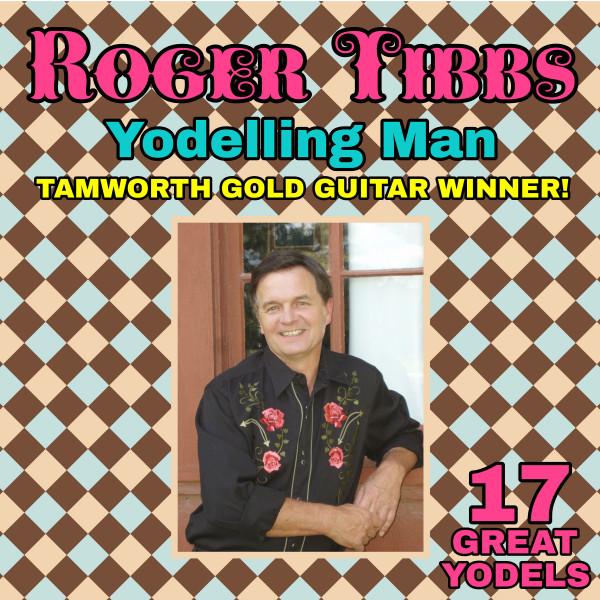
Roger Tibbs
2009
·
1 album
Listen
1
/5
Genres
Country
Country is a roots-based popular music from the rural American South that blends Anglo-Celtic ballad traditions with African American blues, gospel, and string-band dance music. It is characterized by narrative songwriting, plainspoken vocals with regional twang, and a palette of acoustic and electric instruments such as acoustic guitar, fiddle, banjo, pedal steel, and telecaster guitar. Rhythmically it favors two-step feels, train beats, shuffles, and waltzes, while harmony is largely diatonic (I–IV–V) with occasional country chromaticism and secondary dominants. Across a century, country has evolved through substyles like honky-tonk, the Nashville and Bakersfield sounds, outlaw country, neotraditionalist revivals, pop-country, and country-rap hybrids, but it consistently prioritizes storytelling about everyday life, love, work, faith, place, and identity.
Discover
Listen
Country Yodeling
Country yodeling is a vocal-centric branch of early country and western music that spotlights rapid flips between chest voice and head voice to create the unmistakable "yodel" break. It merges the Alpine yodeling technique with American rural song forms, cowboy ballads, and country blues harmonies. The style is defined by clear, ringing tones, wide interval leaps (often sixths and octaves), and syllabic vocables such as “yo-de-lay-ee-o.” It commonly rides atop acoustic guitar strums, fiddle lines, steel guitar swells, and upright bass, with tempos ranging from lilting waltzes to two-step and medium 4/4. Lyrically, it leans on frontier imagery, open skies, lonesome travel, and romantic yearning, often placing yodeled refrains as hooks or emotional climaxes within otherwise straightforward country forms.
Discover
Listen
Traditional Country
Traditional country is a roots-oriented branch of country music that preserves the acoustic timbres, plainspoken storytelling, and danceable rhythms of early "hillbilly" and honky-tonk styles. It favors fiddles, acoustic and steel guitars, upright bass, and modest percussion, with melodies and harmonies grounded in Anglo-American folk, gospel, and blues. Songs typically revolve around everyday life—love, heartbreak, faith, work, and small-town or rural experience—delivered with an unadorned, emotive vocal style. As a practice and ethos, traditional country resists pop sheen and elaborate production, emphasizing live ensemble interplay, two-step and waltz feels, and concise verse–chorus forms. Its sound is closely associated with the Grand Ole Opry era, barn-dance radio, and mid‑century jukebox honky-tonks.
Discover
Listen
Polka
Polka is a lively Central European couple dance and musical style in a brisk 2/4 meter, characterized by its buoyant “oom‑pah” bass-chord accompaniment and bright, diatonic melodies. Originating in Bohemia (today’s Czech Republic) in the early 19th century, it quickly became a pan-European craze before taking root across immigrant communities in the Americas. Ensembles typically feature accordion or button box/concertina, clarinet or saxophone, trumpets/trombone, tuba or string bass, and drum kit, with regional variants highlighting different lead voices and rhythmic feels. While the classical ballroom tradition codified polka into formal strains (often AABB with a contrasting trio), folk and popular styles favor singable tunes, simple I–IV–V harmonies, and tempos commonly around 115–135 BPM, inviting upbeat social dancing and communal celebration.
Discover
Listen
Yodeling
Yodeling is a vocal technique and repertory defined by rapid and intentional alternation between chest voice and head voice (falsetto), producing audible register breaks on open vowels. Rooted most famously in the rural Alps, it functioned historically as long‑distance herding calls and community signals across mountains and valleys. Closely related practices appear in multiple cultures worldwide (e.g., Central African forest singing, Scandinavian cattle calls), underscoring yodeling’s role as a practical form of vocal communication as much as a musical idiom. Across the 19th and 20th centuries, yodeling moved from pasture and village dances into stage entertainment, commercial folk music, and North American country and western traditions, where it became a signature expressive device (“blue yodels,” cowboy yodels) and a symbol of pastoral nostalgia.
Discover
Listen
Albums
2009
1
/5
Yodelling Man
Roger Tibbs
Country Yodeling
Yodeling
Country
Similar artists
4
/5
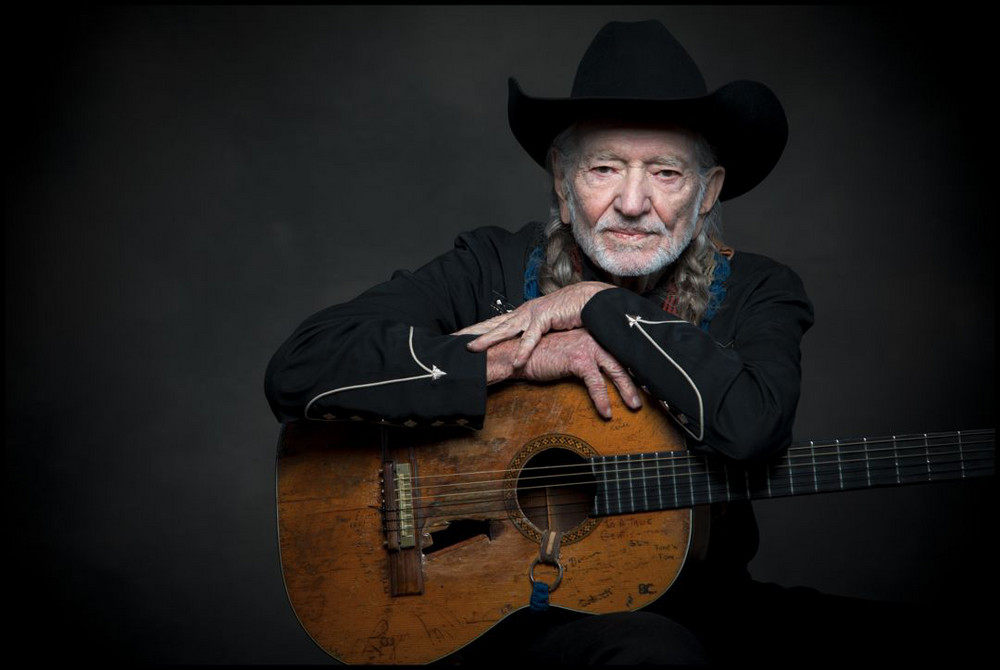
Willie Nelson
Country
Nashville Sound
Outlaw Country
3
/5
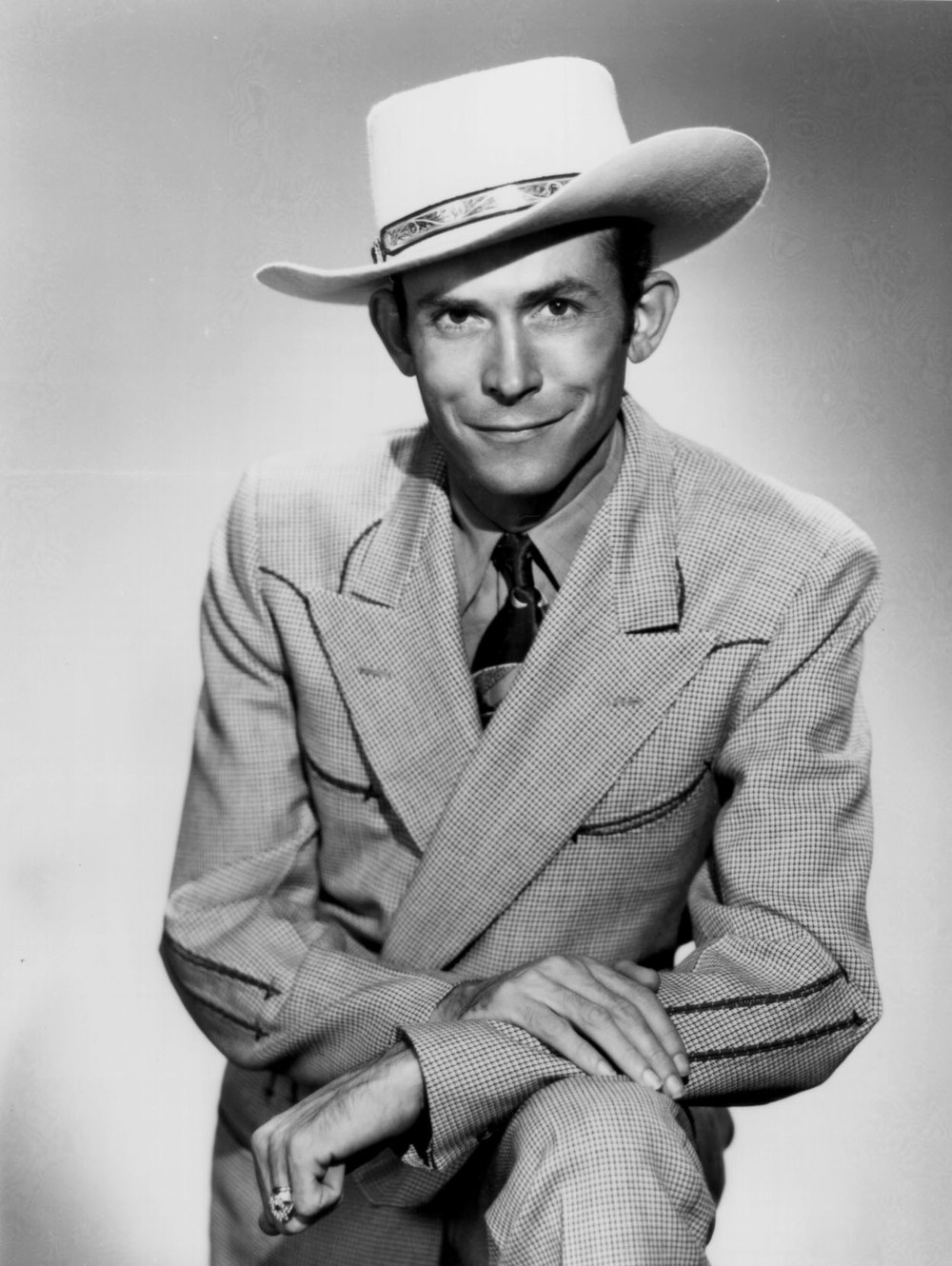
Hank Williams
Yodeling
Country
Traditional Country
3
/5
Eddy Arnold
Yodeling
Country
Classic Country
3
/5
Tennessee Ernie Ford
Country Boogie
Yodeling
Country Gospel
1
/5
Mary Schneider
Yodeling
Polka
Traditional Country
1
/5
Kenny Roberts
Country Yodeling
Traditional Country
Yodeling
1
/5
Shirley Thoms
Country Yodeling
Traditional Country
Yodeling
1
/5
Various Artists
Afro-Funk
Alternative Rock
Ambient
3
/5
Gene Autry
Yodeling
Christmas Music
Western Swing
3
/5
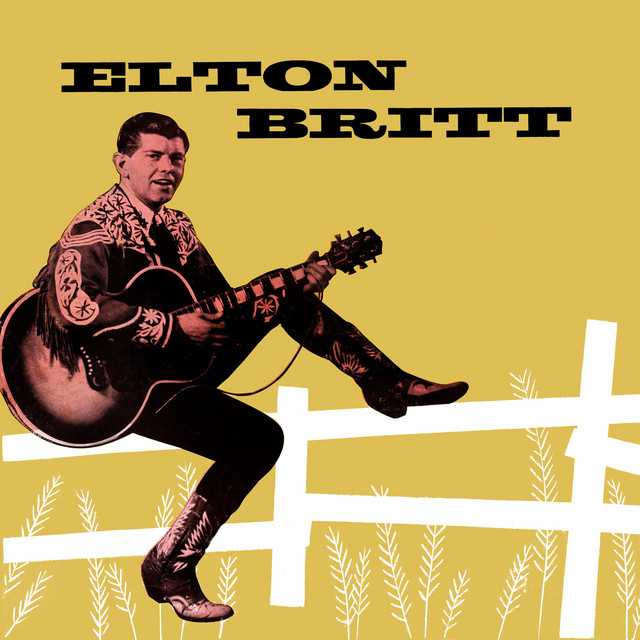
Elton Britt
Gamecore
Traditional Country
Country Yodeling
Download our mobile app
Get the Melodigging app and start digging for new genres on the go
Download on the App Store
Get it on Google Play
© 2026 Melodigging
Give feedback
Legal
Melodding was created as a tribute to
Every Noise at Once
, which inspired us to help curious minds keep digging into music's ever-evolving genres.