Genres
Artists
Albums
Make Music
Sign in
Sign in
Artists
Yodeling
Artists
Yodeling
Eddy Arnold
1963–2014
·
4 albums
Listen
3
/5
Genres
The Wave
The Wave is a loosely defined cluster of American post-hardcore/emo bands that surged in the early 2010s as emo-pop’s mainstream moment faded. The name was a tongue‑in‑cheek scene tag that stuck in press coverage, but it points to a real overlap in sound, ethos, and touring networks. Musically, The Wave fuses the urgency of 1990s post‑hardcore and screamo with confessional, literate lyric writing associated with emo. Expect shouted or half‑sung/half‑spoken vocals, dynamic quiet‑loud builds, intricate but driving drums, and guitar textures that shift between glassy clean arpeggios and overdriven, emotive climaxes. The songs often emphasize catharsis, narrative detail, and community-minded DIY presentation.
Discover
Listen
Queer Country
Queer country is a contemporary movement within country and Americana that centers LGBTQ+ voices, stories, and aesthetics while keeping strong ties to classic country songwriting, instrumentation, and vocal styles. Musically, it often draws from traditional country, outlaw country, honky-tonk, and folk-country, but its defining feature is lyrical perspective: songs about queer love, gender expression, chosen family, rural/working-class life, and the tension between tradition and belonging. Rather than being a single fixed sound, queer country is best understood as a scene and cultural re-framing of country music—one that challenges the genre’s historic heteronormativity while celebrating its narrative power and community roots.
Discover
Listen
Nashville Sound
The Nashville Sound is a smooth, pop-leaning style of country music that emerged in the late 1950s out of Nashville’s recording studios. It softened honky-tonk edges with orchestral strings, background vocal choirs, and polished production to appeal to both country and mainstream pop audiences. Instead of the fiddle-and-steel-forward bar-band feel, the style favors crooning lead vocals, "slip-note" piano, tic-tac bass, subdued drums with brushes, and tasteful electric guitar. Lyrically, it centers on love, longing, and adult romance, packaged in concise, radio-ready song forms that crossed over to the pop charts.
Discover
Listen
Pop
Pop is a broad, hook-driven style of popular music designed for wide appeal. It emphasizes memorable melodies, concise song structures, polished vocals, and production intended for radio, charts, and mass media. While pop continually absorbs elements from other styles, its core remains singable choruses, accessible harmonies, and rhythmic clarity. Typical forms include verse–pre-chorus–chorus, frequent use of bridges and middle-eights, and ear-catching intros and outros. Pop is not defined by a single instrumentation. It flexibly incorporates acoustic and electric instruments, drum machines, synthesizers, and increasingly digital production techniques, always in service of the song and the hook.
Discover
Listen
Classic Country
Classic country refers to the traditional sound of American country music established from the 1940s through the 1970s, before the genre’s heavy pop crossover of later decades. It foregrounds storytelling, plainspoken vocals, and clean, twangy instrumentation such as acoustic guitar, Telecaster-style electric guitar, fiddle, pedal steel, upright or electric bass, piano, and restrained drums. Hallmark rhythms include the two-step (in 2/4), the steady 4/4 shuffle, the “train beat,” and the country waltz (3/4). Harmony is typically diatonic and rooted in I–IV–V progressions with occasional secondary dominants and simple turnarounds. Lyrically, classic country centers on love and heartache, rural and working-class life, faith, family, drinking and redemption, and the open road. Production is intimate and voice-forward, ranging from the raw honky-tonk bar-band feel to the smoother Nashville sound with tasteful strings and backing vocals.
Discover
Listen
Country
Country is a roots-based popular music from the rural American South that blends Anglo-Celtic ballad traditions with African American blues, gospel, and string-band dance music. It is characterized by narrative songwriting, plainspoken vocals with regional twang, and a palette of acoustic and electric instruments such as acoustic guitar, fiddle, banjo, pedal steel, and telecaster guitar. Rhythmically it favors two-step feels, train beats, shuffles, and waltzes, while harmony is largely diatonic (I–IV–V) with occasional country chromaticism and secondary dominants. Across a century, country has evolved through substyles like honky-tonk, the Nashville and Bakersfield sounds, outlaw country, neotraditionalist revivals, pop-country, and country-rap hybrids, but it consistently prioritizes storytelling about everyday life, love, work, faith, place, and identity.
Discover
Listen
Traditional Country
Traditional country is a roots-oriented branch of country music that preserves the acoustic timbres, plainspoken storytelling, and danceable rhythms of early "hillbilly" and honky-tonk styles. It favors fiddles, acoustic and steel guitars, upright bass, and modest percussion, with melodies and harmonies grounded in Anglo-American folk, gospel, and blues. Songs typically revolve around everyday life—love, heartbreak, faith, work, and small-town or rural experience—delivered with an unadorned, emotive vocal style. As a practice and ethos, traditional country resists pop sheen and elaborate production, emphasizing live ensemble interplay, two-step and waltz feels, and concise verse–chorus forms. Its sound is closely associated with the Grand Ole Opry era, barn-dance radio, and mid‑century jukebox honky-tonks.
Discover
Listen
Gospel
Gospel is a vocal-centered Christian genre whose lyrics explicitly express faith, salvation, hope, and communal testimony. Performances emphasize expressive lead vocals, choirs, call-and-response, and congregational participation, often supported by piano/organ, handclaps, and a rhythm section. While the modern form coalesced in the early 20th century through urban church music and the work of composer–leaders such as Thomas A. Dorsey, its roots trace back to earlier Christian hymnody and African American sacred traditions. Across cultures and denominations, gospel functions in worship, evangelism, community celebration, and—by the late 20th century—in commercial recordings and concerts. Stylistically, gospel spans traditional quartet and choir styles, “gospel blues,” and contemporary fusions with R&B, soul, pop, and hip hop. What unites these strands are dominant vocals, testimonial lyrics grounded in Scripture and lived experience, and a performance practice designed to move both spirit and body.
Discover
Listen
Western
Western (often called Western or cowboy music) is a traditional North American song style rooted in the working life and mythos of the American and Canadian West. It emphasizes narrative ballads about cattle drives, trail life, prairie landscapes, and frontier values, commonly delivered with clear storytelling, memorable choruses, and occasional yodeling. Musically it draws on British Isles balladry, American folk, and Mexican traditions such as corrido and ranchera. Arrangements are typically acoustic and sparse—acoustic guitar, fiddle, harmonica, upright bass, and sometimes accordion or steel guitar—favoring diatonic harmony and strophic song forms. Rhythms often include two-step (2/4), lilting waltzes (3/4), and gentle straight-time ballads, supporting the music’s evocative, wide‑open feel distinct from but historically intertwined with country music.
Discover
Listen
Yodeling
Yodeling is a vocal technique and repertory defined by rapid and intentional alternation between chest voice and head voice (falsetto), producing audible register breaks on open vowels. Rooted most famously in the rural Alps, it functioned historically as long‑distance herding calls and community signals across mountains and valleys. Closely related practices appear in multiple cultures worldwide (e.g., Central African forest singing, Scandinavian cattle calls), underscoring yodeling’s role as a practical form of vocal communication as much as a musical idiom. Across the 19th and 20th centuries, yodeling moved from pasture and village dances into stage entertainment, commercial folk music, and North American country and western traditions, where it became a signature expressive device (“blue yodels,” cowboy yodels) and a symbol of pastoral nostalgia.
Discover
Listen
Show all 10 genres
Albums
2014
2
/5
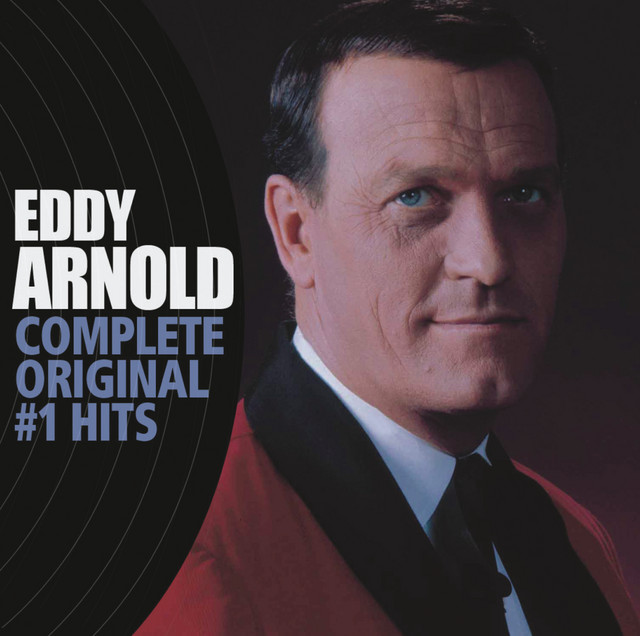
Complete Original #1 Hits
Eddy Arnold
Yodeling
1996
3
/5
The Essential Eddy Arnold
Eddy Arnold
Yodeling
Country
Pop
1969
2
/5
The Glory of Love
Eddy Arnold
Yodeling
Country
Gospel
1963
3
/5
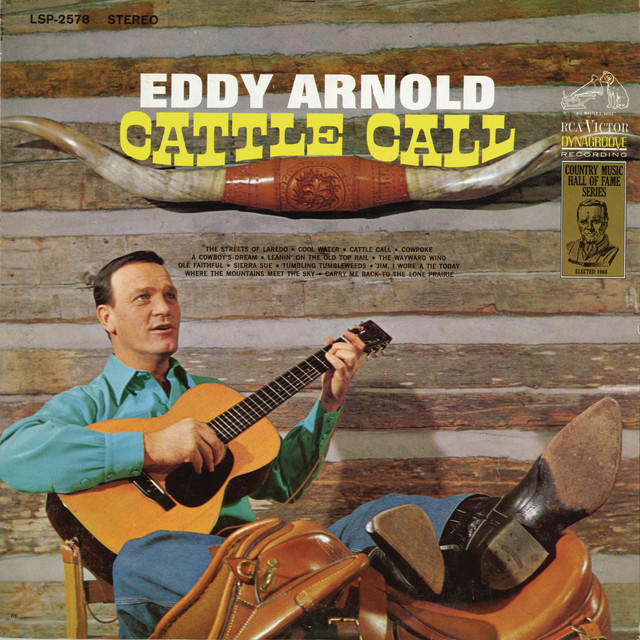
Cattle Call
Eddy Arnold
Western
Yodeling
Nashville Sound
Similar artists
4
/5
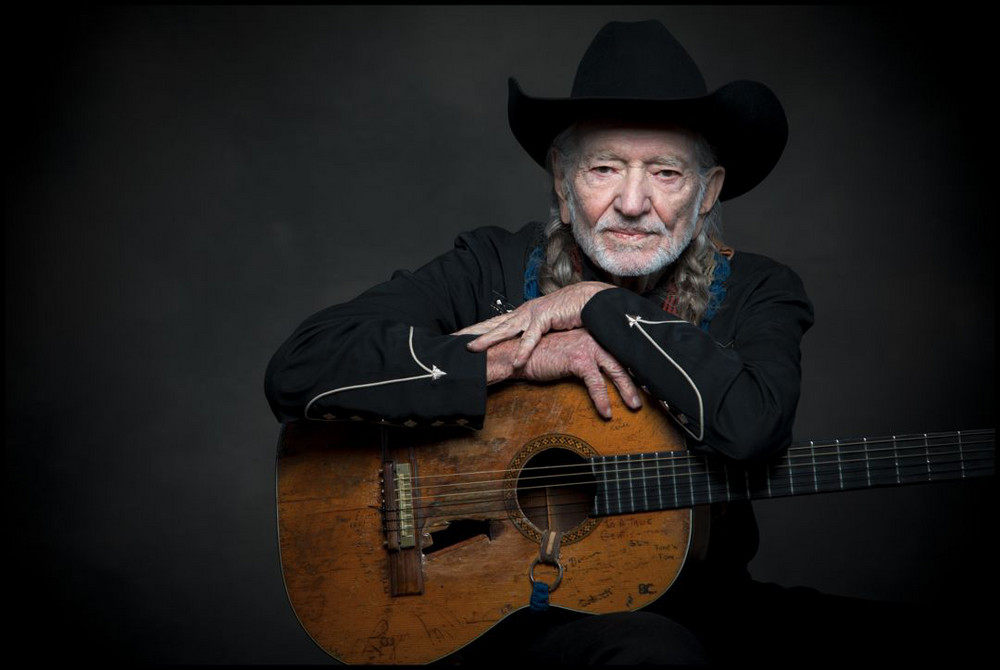
Willie Nelson
Country
Nashville Sound
Outlaw Country
3
/5
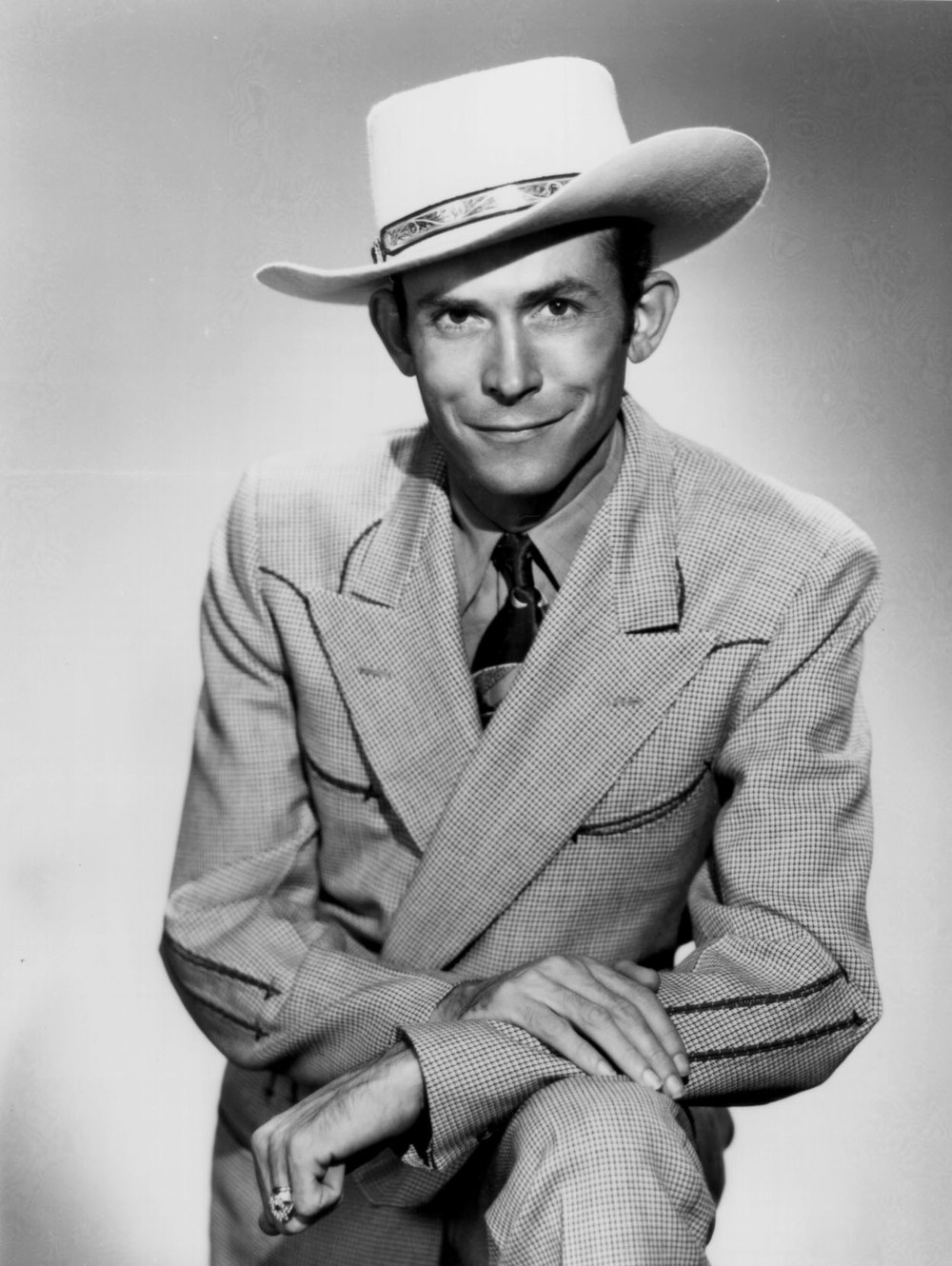
Hank Williams
Yodeling
Country
Traditional Country
3
/5
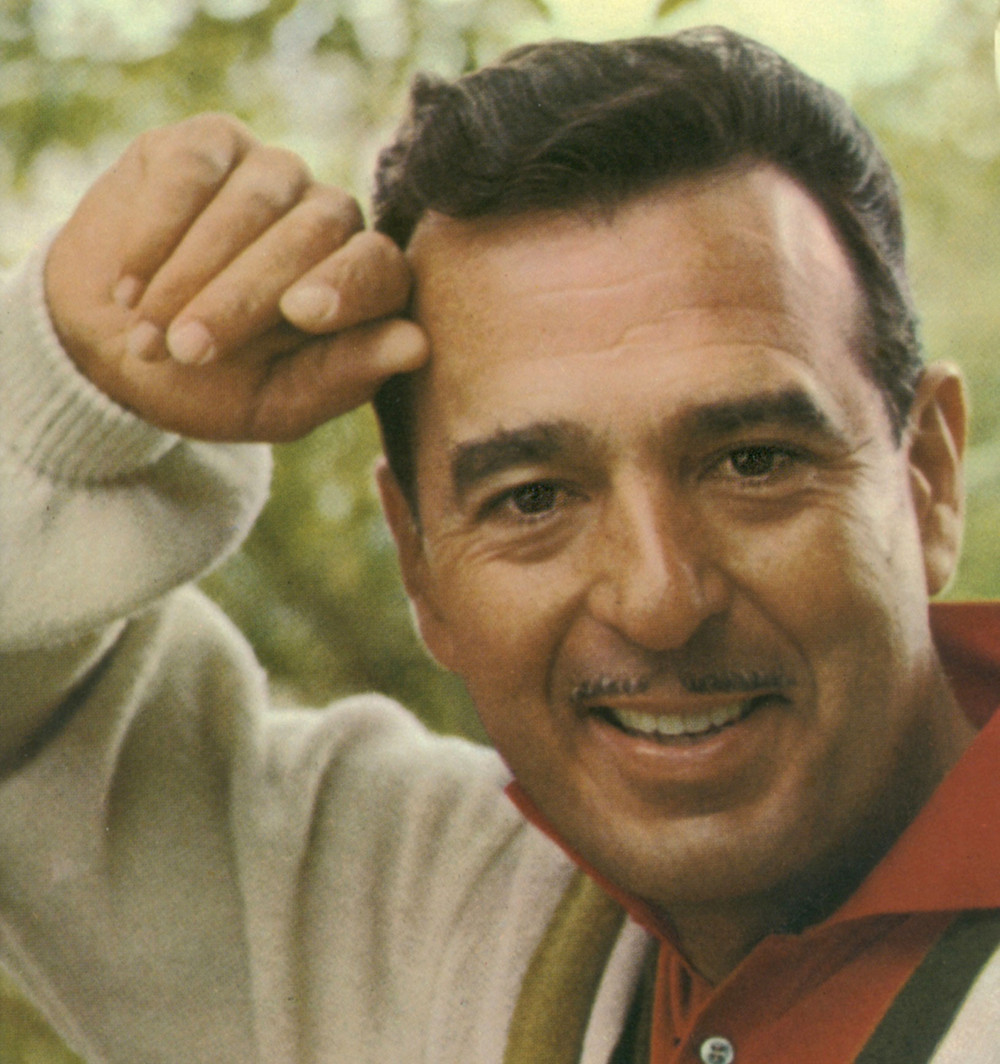
Tennessee Ernie Ford
Country Boogie
Yodeling
Country Gospel
4
/5
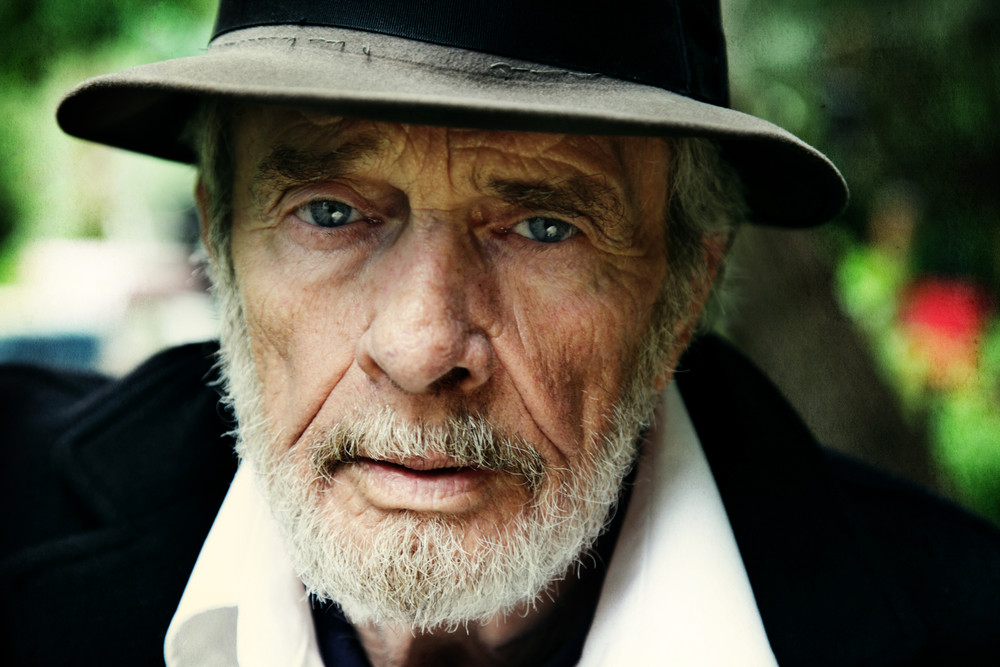
Merle Haggard
Bakersfield Sound
Country
Honky Tonk
3
/5
Tammy Wynette
Country
Honky Tonk
Traditional Country
3
/5
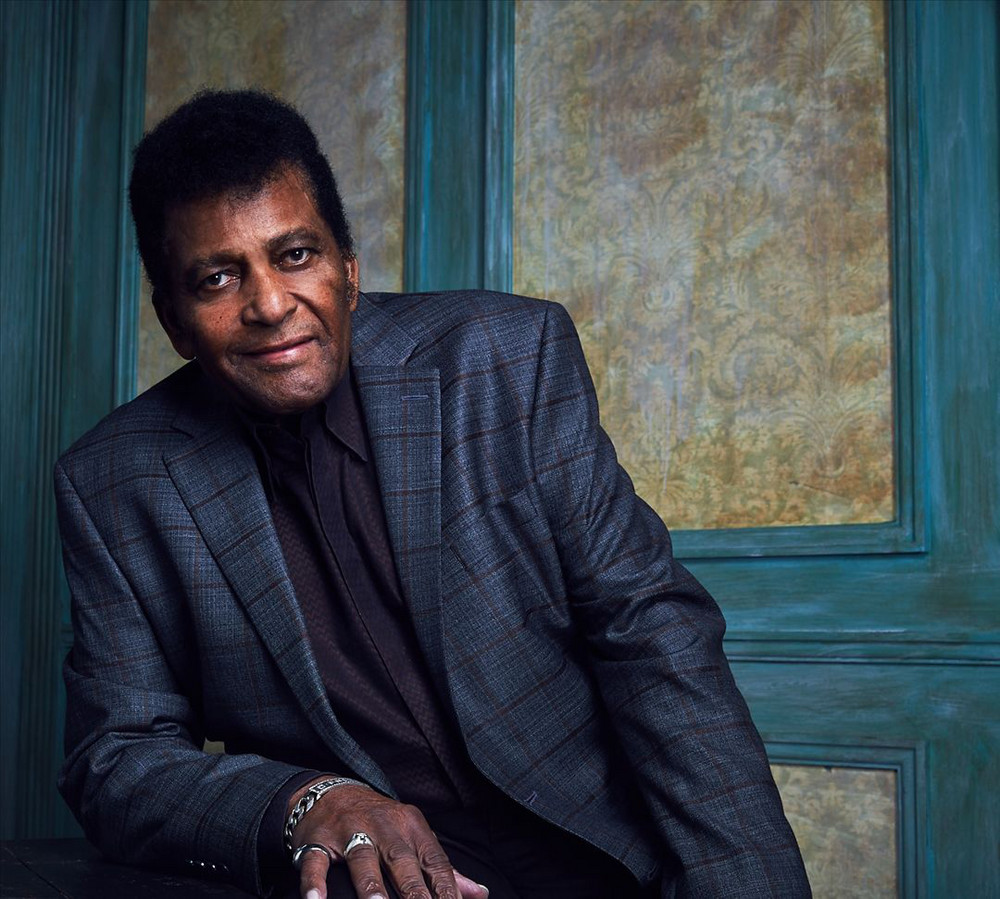
Charley Pride
Country
Nashville Sound
Christian Country
1
/5
Various Artists
Afro-Funk
Alternative Rock
Ambient
4
/5
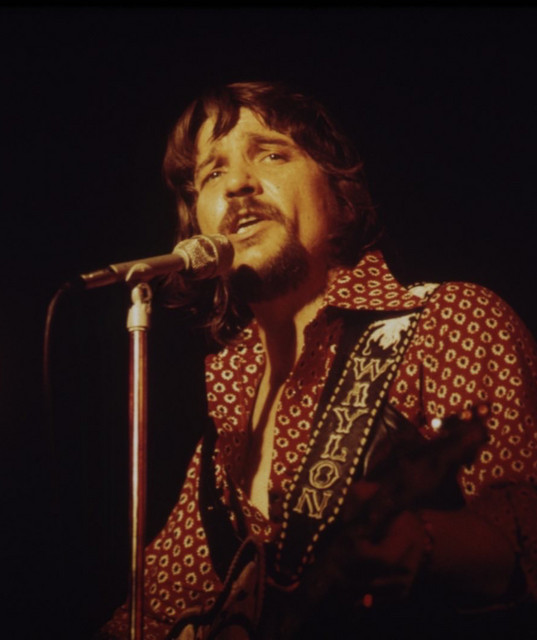
Waylon Jennings
Country
Outlaw Country
Honky Tonk
4
/5
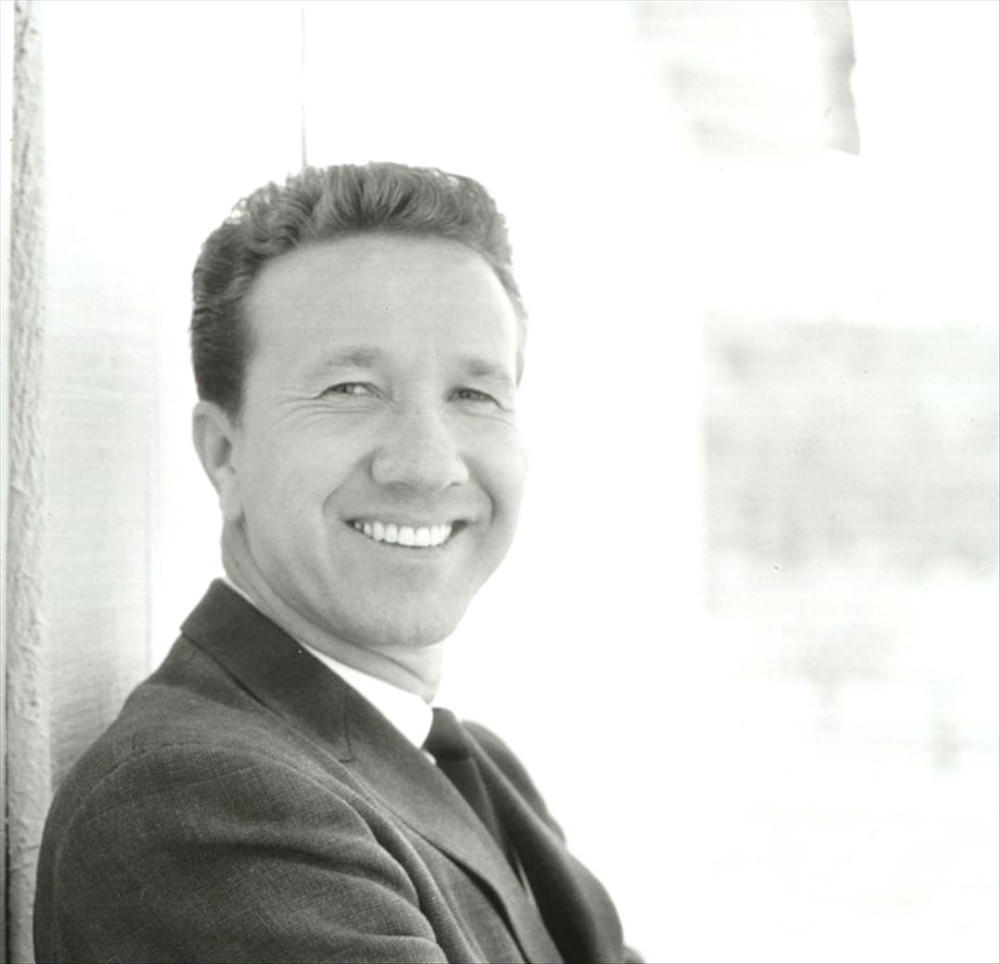
Marty Robbins
Nashville Sound
Country
Western
3
/5
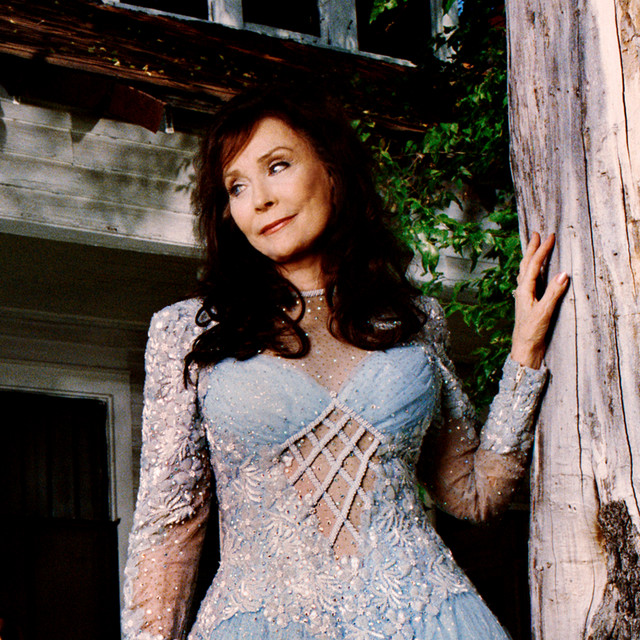
Loretta Lynn
Country
Christian Country
Classic Country
Download our mobile app
Get the Melodigging app and start digging for new genres on the go
Download on the App Store
Get it on Google Play
© 2026 Melodigging
Give feedback
Legal
Melodding was created as a tribute to
Every Noise at Once
, which inspired us to help curious minds keep digging into music's ever-evolving genres.