Genres
Artists
Albums
Make Music
Sign in
Sign in
Artists
Chachachá
Artists
Chachachá
Raul Paz
Listen
3
/5
Genres
Latin Folk
Latin folk is a broad umbrella for singer‑songwriter and ensemble music that draws on traditional folk forms from across Latin America while presenting them in contemporary, often acoustically driven arrangements. It emphasizes storytelling, social and poetic lyricism, and the timbres of regional instruments such as the guitar, charango, quena, zampoña, cuatro, and bombo legüero. Rhythmic cells are borrowed from pan‑regional traditions (chacarera, cueca, zamba, huayno, joropo, son, and others), yet songs are commonly shaped in accessible verse‑chorus structures. While its roots are centuries old, the modern genre coalesced during the mid‑20th‑century folk revival and the Nueva Canción movements, which linked ancestral sounds with contemporary concerns such as identity, justice, and cultural memory.
Discover
Listen
Nueva Trova
Nueva trova is a Cuban singer‑songwriter movement that emerged in the late 1960s, blending the poetic intimacy of the island’s older trova tradition with socially conscious, often revolutionary, lyrics. It is typically guitar‑led and intimate, but can expand to small ensembles with subtle jazz‑inflected harmonies, echoing the filin (feeling) style and the romanticism of bolero while drawing rhythmic color from Cuban son and guajira. While aesthetically close to the broader Latin American nueva canción, nueva trova is distinctly Cuban in its idiom, metaphorical language, and engagement with post‑1959 cultural life.
Discover
Listen
Chachachá
Chachachá is a Cuban dance‑music genre that emerged in early‑1950s Havana as a dancer‑friendly offshoot of danzón‑mambo. It is typically performed by charanga ensembles—flute and violins over piano, bass, güiro, and timbales—producing a light, elegant sonority distinct from the brass‑heavy mambo big bands. The groove is mid‑tempo with a clear, even pulse that supports the signature “cha‑cha‑chá” triple step heard in the dancers’ feet. Melodies are tuneful and diatonic, harmonies favor simple I–IV–V movements with occasional II–V turnarounds, and arrangements move from a lyrical cuerpo to a montuno section featuring coro‑pregón call‑and‑response, piano tumbao, and tasteful flute improvisations. The name “chachachá” is often traced to the shuffling sound of the dancers’ steps; composer‑violinist Enrique Jorrín simplified mambo syncopations to make the beat more square and intelligible, which helped the style spread worldwide through social and ballroom dance.
Discover
Listen
Son Cubano
Son cubano is a foundational Cuban genre that fuses Spanish-derived song forms and harmony with Afro-Cuban rhythms and percussion. Born in eastern Cuba (Oriente) and crystallized in Havana in the 1910s–1920s, it became the backbone of much of 20th‑century Latin popular music. Typical ensembles began as sextetos (tres, guitar, bongó, maracas, claves, and bass or marímbula) and later evolved into septetos with trumpet. Conjunto formats in the 1940s added piano, congas, and multiple horns. The music rides a son clave (in 3‑2 or 2‑3 orientation), features interlocking tres guajeos, a walking/tumbao bass that anticipates the downbeat, and call‑and‑response vocals in the montuno section. Harmonically it is rooted in I–IV–V with bluesy dominant sevenths and occasional secondary dominants. Lyrically it balances romance, everyday life, and streetwise wit, always aimed at dancing and social gathering.
Discover
Listen
Guajira
Guajira is a Cuban song genre with rural, pastoral imagery, derived from the countryside verse-singing tradition known as punto cubano and formalized at the turn of the 20th century. Musically, it favors a lilting, moderate tempo with habanera/tresillo undercurrents, clear major-key harmonies, and lyrical, narrative melodies often set to décimas (ten-line stanzas). Its texts nostalgically portray the guajiro (rural farmer), love, nature, and everyday country life. Historically, a related rhythmic and thematic idea travelled to Spain in the 18th–19th centuries as “punto de La Habana,” entering flamenco as the palo called guajira. In Cuba, the genre was codified in urban theater and zarzuela; Jorge Anckermann’s 1899 song “El arroyo que murmura” is widely cited as the first Cuban guajira and became a template for later works. Over the 20th century the guajira intersected with son, producing the popular hybrid guajira-son and standards such as “Guantanamera.”
Discover
Listen
Similar artists
2
/5
Carlos Puebla Y Los Tradicionales
Nueva Trova
Son Cubano
Trova
2
/5
Haydée Milanés
Bolero
Latin Folk
Latin Jazz
2
/5
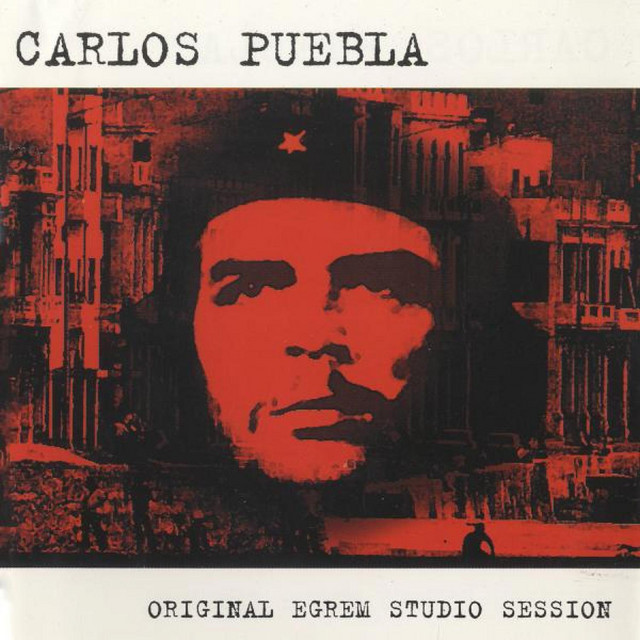
Carlos Puebla
Trova
Nueva Trova
Latin Folk
2
/5
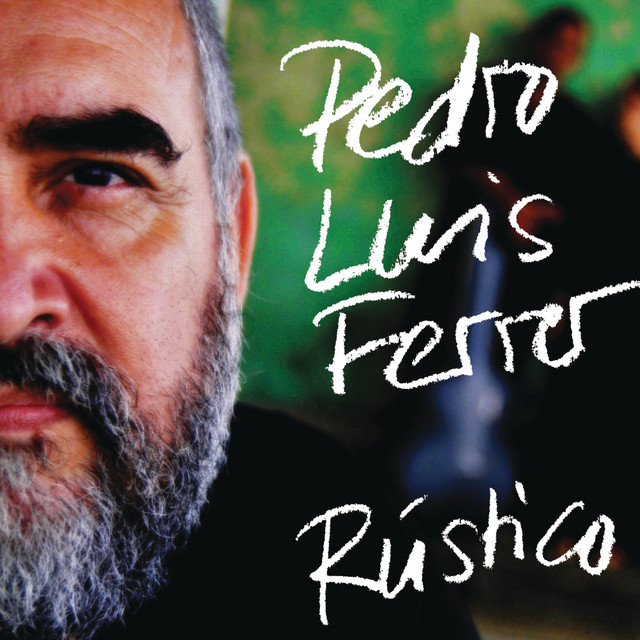
Pedro Luis Ferrer
Latin Folk
Nueva Trova
Son Cubano
2
/5
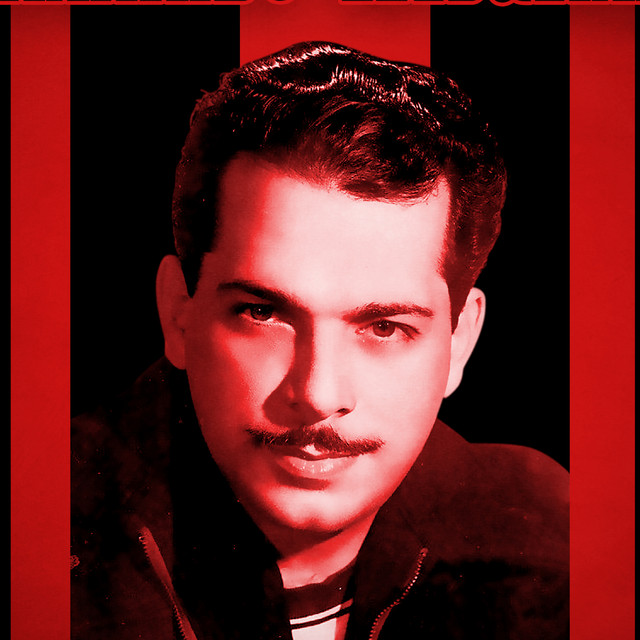
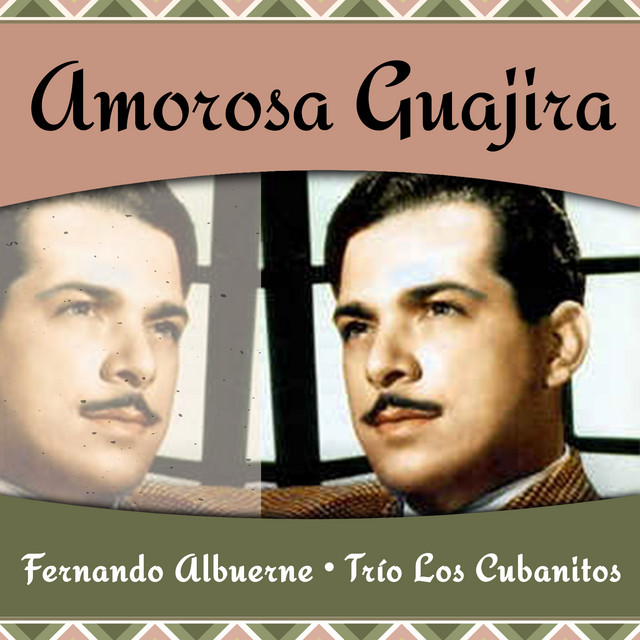
Fernando Albuerne
Bolero
Latin Folk
Nueva Trova
2
/5
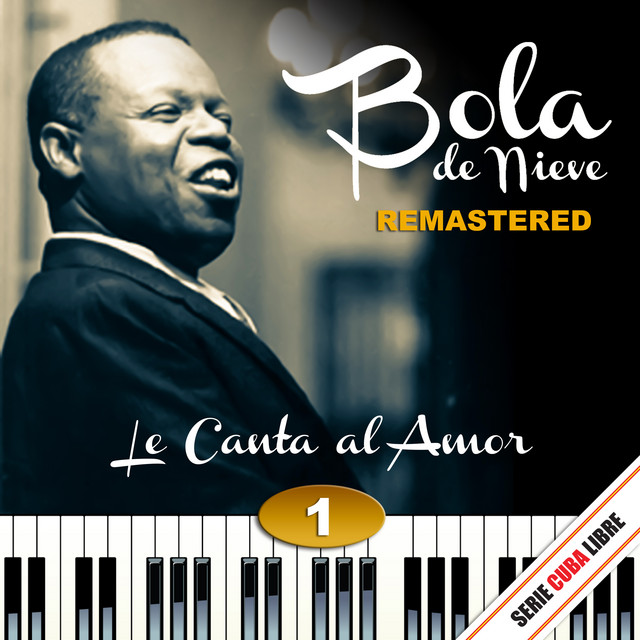
Bola De Nieve
Bolero
Latin Folk
Nueva Trova
2
/5
Carlos Puebla Y Sus Tradicionales
Trova
Nueva Trova
Chill Pop
2
/5
Trío Los Cubanitos
Bolero
Latin Folk
Nueva Trova
1
/5
Pedro Sosa
Latin Folk
Nueva Trova
Son Cubano
1
/5
Beatriz Márquez
Bolero
Latin Folk
Nueva Trova
Download our mobile app
Get the Melodigging app and start digging for new genres on the go
Download on the App Store
Get it on Google Play
© 2026 Melodigging
Give feedback
Legal
Melodding was created as a tribute to
Every Noise at Once
, which inspired us to help curious minds keep digging into music's ever-evolving genres.