Genres
Artists
Albums
Make Music
Sign in
Sign in
Artists
Folclor Andino
Artists
Folclor Andino
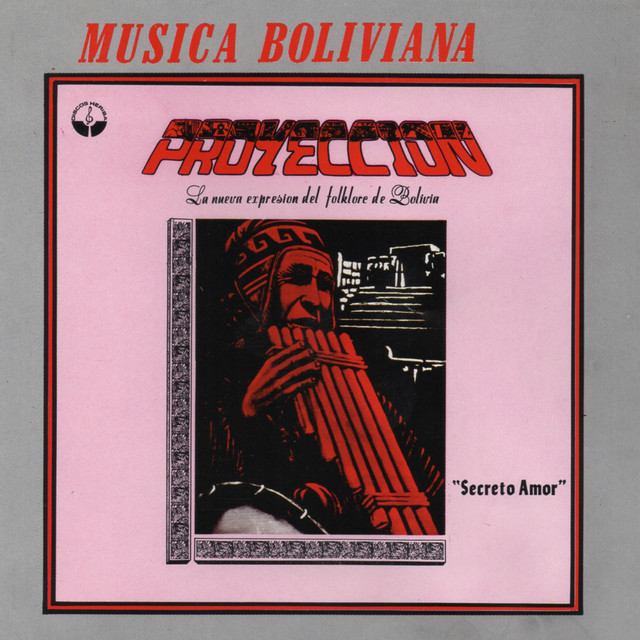
Proyección
1984
·
1 album
Listen
3
/5
Genres
Lo Star
Lo star is a streaming-era umbrella tag used to group under-the-radar, low-profile artists who sit on the fringes of indie, alternative, DIY pop, and related scenes. Rather than denoting a single, tightly defined musical vocabulary, it marks a discovery space of self-produced or small-label projects with modest audiences, genre-fluid aesthetics, and a distinctly DIY approach to recording and release. Expect intimate vocals, inexpensive or home-studio production, hybrid acoustic/electronic textures, and songwriting that favors personal storytelling and immediacy over polish. Because it functions as a curatorial category for emerging or niche acts, the sonic palette spans indie rock and folk-pop to bedroom pop and lo-fi electronic, unified by scale, ethos, and distribution more than by strict musical rules.
Discover
Listen
Folclor Andino
Folclor andino is the pan‑regional folk music of the Andean highlands, shaped by Indigenous Quechua and Aymara traditions and later mestizo influences. It centers on wind instruments such as quena (notched flute) and zampoña/siku (panpipes), the small 10‑string charango, guitar, and deep hand‑drummed bombos, producing bright timbres over earthy rhythms. Melodically it favors pentatonic and natural minor (Aeolian/Dorian) scales, parallel thirds, antiphonal hocketing between panpipe parts, and cyclical ostinatos. Repertoire often draws from regional forms like huayno, yaraví, carnavalito, and related highland dances, with lyrics that invoke the mountains, Pachamama (Mother Earth), love, migration, and social realities. As a modern stage and recording genre, folclor andino coalesced mid‑20th century when urban ensembles standardized instrumentation and performance, later intersecting with nueva canción’s socially engaged aesthetics and spreading globally through tours and world‑music circuits.
Discover
Listen
Latin Folk
Latin folk is a broad umbrella for singer‑songwriter and ensemble music that draws on traditional folk forms from across Latin America while presenting them in contemporary, often acoustically driven arrangements. It emphasizes storytelling, social and poetic lyricism, and the timbres of regional instruments such as the guitar, charango, quena, zampoña, cuatro, and bombo legüero. Rhythmic cells are borrowed from pan‑regional traditions (chacarera, cueca, zamba, huayno, joropo, son, and others), yet songs are commonly shaped in accessible verse‑chorus structures. While its roots are centuries old, the modern genre coalesced during the mid‑20th‑century folk revival and the Nueva Canción movements, which linked ancestral sounds with contemporary concerns such as identity, justice, and cultural memory.
Discover
Listen
Huayno
Huayno (Quechua: waynu/wayno) is a traditional Andean music and dance style that took modern shape in the Peruvian highlands and spread across Bolivia and Ecuador. It is marked by brisk duple-meter rhythms with a strong downbeat, bright pentatonic melodies, and emotive vocals often sung in Quechua and Spanish. Typical ensembles feature charango and guitar strumming patterns, soaring quena (Andean flute) and siku (panpipes), lyrical violin or harp lines, and driving bombo or wankara drum pulses. The dance uses lively stomping steps and turns, reflecting festive community gatherings, courtship, and rural life. Regional variants include the fast, celebratory Huaylas (central highlands), the yaraví-inflected, tender huayno ayacuchano (Ayacucho), and the panpipe- and charango-rich wayno sureño (Cusco–Puno). Lyrical themes span love and longing, migration, indigenous pride, and everyday joys and hardships.
Discover
Listen
Bolivian Huayño
Bolivian huayño is the Bolivian branch of the pan‑Andean huayno song‑dance, marked by a brisk duple‑meter pulse, buoyant syncopation, and melodies that move between pentatonic and minor (often Aeolian/Dorian) modalities. It is typically performed on Andean instruments such as charango, quena and zampoña (panpipes), alongside guitar, bombo and caja drums, and, regionally, violin or accordion. Vocals are delivered in Spanish, Quechua, and Aymara, with themes that range from romantic longing and nostalgia for the highlands to social commentary on migration and indigenous identity. The dance is lively and communal, featuring couples or lines that accent the strong first beat with quick, light steps and a characteristic upbeat pickup. Compared with Peruvian and northern Argentine variants, Bolivian huayño often emphasizes dense charango strums, bright panpipe harmonizations in parallel thirds or sixths, and a slightly more driving rhythmic feel. It is a cornerstone of Bolivian popular and folk repertoires, sustaining both rural festivities and urban stage performance.
Discover
Listen
Albums
1984
2
/5
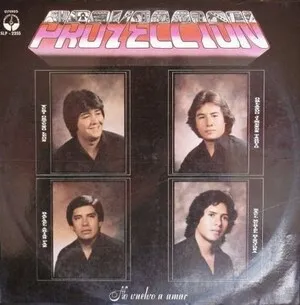
No vuelvo a amar
Proyección
Bolivian Huayño
Similar artists
3
/5
Los Kjarkas
Huayno
Latin Folk
Conjunto Andino
2
/5
Grupo Bolivia
Folclor Andino
Huayno
Latin Folk
1
/5
Ana Cristina Céspedes
Folclor Andino
Huayno
Latin Folk
3
/5
William Luna
Huayno
Latin Folk
Folclor Andino
3
/5
Antologia
Folclor Andino
Huayno
Latin Folk
3
/5
Pelo D'Ambrosio
Folclor Andino
Huayno
Latin Folk
3
/5
Kala Marka
Folclor Andino
Huayno
Latin Folk
3
/5
Savia Andina
Conjunto Andino
Folclor Andino
Huayno
3
/5
Tupay
Folclor Andino
Huayno
Latin Folk
3
/5
Dúo Hnos. Gaitán Castro
Folclor Andino
Huayno
Latin Folk
Download our mobile app
Get the Melodigging app and start digging for new genres on the go
Download on the App Store
Get it on Google Play
© 2026 Melodigging
Give feedback
Legal
Melodding was created as a tribute to
Every Noise at Once
, which inspired us to help curious minds keep digging into music's ever-evolving genres.